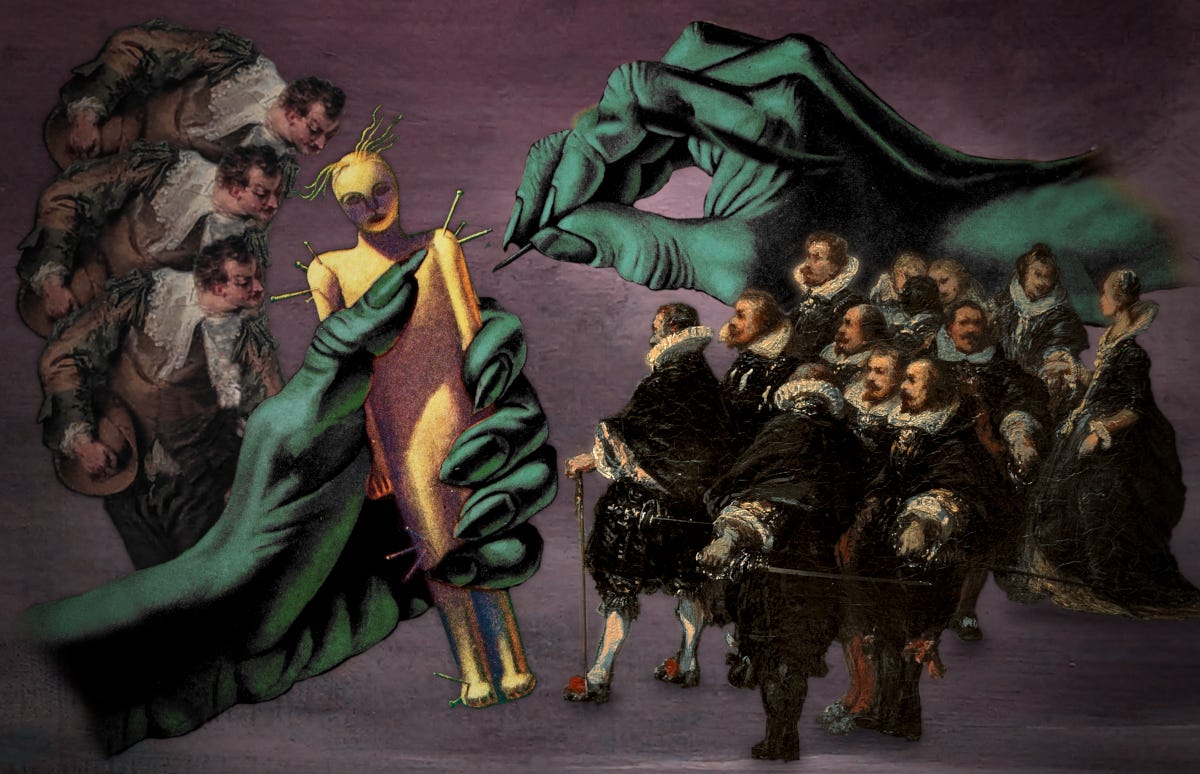
Richard Robbed a Bank for $1 Just to See a Doctor
He Robbed a Bank for $1 to See a Doctor. What God Says About Your Saturday Morning
Richard Robbed a Bank for $1 Just to See a Doctor
He Robbed a Bank for $1 to See a Doctor. What God Says About Your Saturday Morning
June 2011.
Gastonia, North Carolina.
Richard Verone, 59, walked into an RBC bank, handed the teller a note, and asked for $1.
He got the dollar, sat in the lobby, and waited for police.
That detail still hits hard.
One dollar.
He was unemployed, uninsured, in pain, and carrying a chest lump he could not afford to check.
He was a man who felt so far removed from financial freedom that he believed handcuffs might grant him medical care faster than his own resources ever could.
It would be easy to turn him into a strange headline.
Better to see the man.
A man whose desperation stands in stark contrast to the quiet contentment that God offers even in life’s most testing seasons.
Most of us will not face that specific choice. Still, fear about health, money, and survival is more common than we admit.
The question is what God asks of people who are not in that bank lobby, and how we are called to respond to the needs of those around us.
Why one dollar exposed a much bigger problem
This was never about a dollar.
It was about fear, access, and life without margin.
When there is no savings, no insurance, and no buffer, bad options can start to look reasonable.
You do not need a bank robbery story to feel that pressure.
In Australia, Medicare helps, but gaps still sting.
Dental work, medicine, a lost shift, or a car repair can shove a whole month off course, making effective budgeting essential to keep your head above water.
The fear of having no safety net
I know a smaller version of that feeling.
I spent time working in Singapore, renting alone, with family back home.
Nothing major went wrong.
Still, job security felt thin, and even taking a sick day felt like a calculation.
Plenty of people know that maths.
If income drops, you have to weigh your needs and wants to decide what breaks first.
Is it the rent, or the groceries?
The urge to provide for your family often drives this anxiety.
If that is where you are, start with building financial safety and progress.
Managing money well through a small buffer will not fix everything, but it can stop the next surprise from forcing you into debt.
Why shocking stories often reveal ordinary struggles
Big headlines often hide familiar pain.
One man gets arrested for $1.
Another pays for dental work and spends months trying to catch up.
A parent delays their own GP visit because school costs landed first.
The details change, but the pressure to protect our wealth and possessions does not.
That is why stories like Verone’s stay with us.
They reveal how many people are one bill away from panic.
What James says about faith that stays comfortable
James does not let believers hide behind warm words.
He writes:
“If a brother or sister is poorly clothed and lacking in daily food, and one of you says to them, ‘Go in peace, be warmed and filled,’ without giving them the things needed for the body, what good is that?”
“One of you” is the phrase to notice.
James is speaking to believers who know the right language.
They can sound caring and still leave a hungry person hungry.
The Bible speaks about money often for this reason.
Money reveals trust and our heart’s posture.
At its core, biblical stewardship reminds us that God owns everything. In this owner vs manager relationship, we are merely caretakers of what He has entrusted to us.
Our use of financial resources reflects the Lordship of Christ in our lives, proving who is truly in charge of our priorities.
While tithing and offerings are a foundational part of our commitment to the Kingdom of God, our generosity should extend to the immediate needs around us.
Words alone do not feed anyone
“Be warmed and filled” sounds kind, but it leaves the person cold and empty.
That is James’s point.
Care that costs nothing can be hollow.
Jesus did not love people from a safe distance; He approached those in need with touch, time, and sacrifice.
Christian love should reflect that on a smaller scale.
We must guard against the love of money, which the scriptures warn can easily lead to greed and covetousness.
Just as Proverbs encourages wise resource management, we are called to be intentional with how we serve others.
One of you means the person in the room
James does not point at a policy debate first.
He points at the believer in the room.
The person standing near the need does not get to pass the job away easily.
That lands close to home.
The person God may be putting in front of you is often nearby.
At church, on your street, or in your contacts.
“One of you” means the response is personal.
God is not asking you to fix everything
This passage is not telling you to solve every broken system by yourself.
One Saturday morning will not repair a health system, and one meal will not end poverty.
Still, James will not let that become an excuse.
You do not need to fix everything, but you do need to do something when a real need is in front of you.
True faith is active, and your response to someone in need is an expression of the love you have received from God.
Applying Christian money stewardship to your Saturday morning
This is where theology becomes practical.
A Saturday morning can be a time to put your faith into action, turning abstract beliefs into visible service for the glory of God.
Consider these simple ways to serve:
- Preparing food for someone in need.
- Giving an older church member a lift to an appointment.
- Checking in on a neighbour with a phone call.
- Delivering a meal to a doorstep.
None of this is flashy, but all of it represents love in motion.

Serve the person in front of you, not the story you built about them
I volunteer at a community food program where there is always a queue. Some faces are easy to read, while others are not.
If I am honest, I have occasionally wondered about the circumstances of those standing in line.
A supervisor once offered a helpful correction:
“Don’t judge by appearances.”
She was right.
We rarely know the full story.
Someone in that line may have lost work, faced a sudden medical bill, or used the last of their cash days ago.
A faithful steward serves the person standing right in front of them rather than relying on guesses or assumptions.
When we approach service this way, we learn how to give generously, regardless of whether we understand every detail of a person’s life.
Give time, talents, and treasures
Some people hear the call to be generous and immediately feel restricted by their budget.
It is true that money can be tight, but true stewardship involves your time, talents, and treasures.
Generosity is far bigger than cash.
Your presence, cooking, driving, and willingness to follow up are all forms of sacrificial giving that carry immense value.
If you are currently trying to sort out your personal finances while managing money in a way that honours your values, these Christian money stewardship principles can help you make room to give wisely, without pretending that financial stress is not a real challenge.
A small sacrifice can mean a lot to someone else
Four hours on a weekend can feel minor if you had no specific plans.
However, to someone who is hungry, sick, lonely, or worn out, those hours can provide a lunch, a lift, or one less burden to carry.
Last Saturday, people left our centre with food in their hands simply because a few volunteers gave up part of their morning.
That is the heart of the matter.
Real faith shows up in tangible ways, proving that our love for others is something they can actually hold.
True Christian money stewardship invites us to reframe how we view our resources.
When we shift our focus from temporary comfort to eternal treasures, we begin to see that a faithful steward manages their finances as a means to love others in the Kingdom of God.
This process requires a consistent spiritual discipline, supported by the accountability of a community that encourages us to use our hands and feet to serve.
Look at your week.
One person, one need, one place to serve is enough to start.
Pray first, then show up. Faith becomes visible when mercy stops being an idea and starts taking up part of your Saturday morning.
메타데이터
- post_id
- dccbf186db54
- slug
- richard-robbed-a-bank-for-1-just-to-see-a-doctor-dccbf186db54
- url
- https://medium.com/@georgelui/richard-robbed-a-bank-for-1-just-to-see-a-doctor-dccbf186db54
- canonical_url
- https://medium.com/@georgelui/richard-robbed-a-bank-for-1-just-to-see-a-doctor-dccbf186db54
- author_url
- https://medium.com/@georgelui
- status
- ok
- fetched_at
- 2026-06-17 17:19:58