Quantum Mechanics in Biology: Biomimicry
“Spooky action at a distance,” becomes even spookier after reading this.
Quantum Mechanics in Biology: Biomimicry

“Spooky action at a distance,” becomes even spookier after reading this.
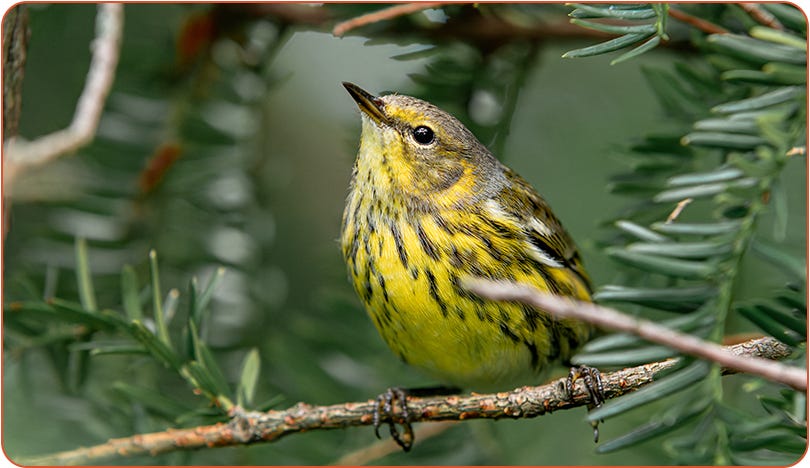
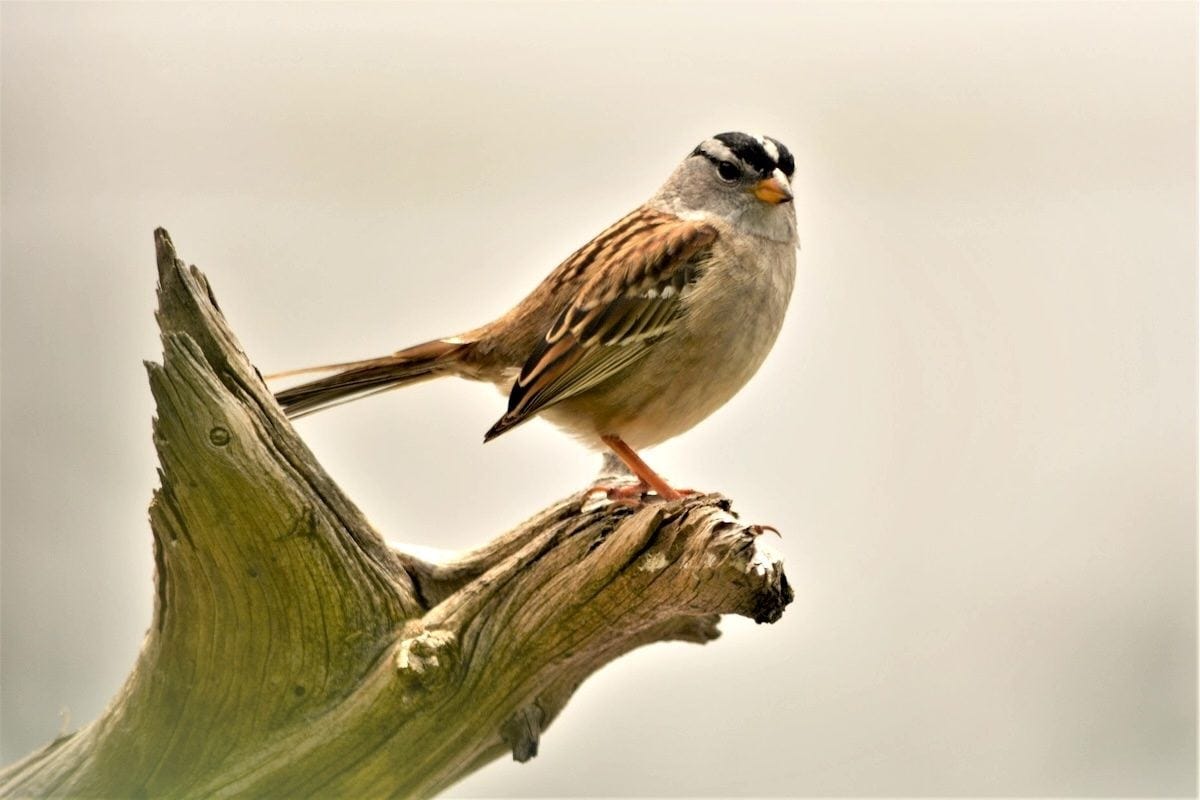
From the covers of my articles, it’s pretty obvious that I like birds. But what if I told you birds use a quantum compass to navigate their daily life? I mean who would’ve thought that the chirps that wake you up in the morning are actually guided by quantum mechanics?
Inside the eyes of certain birds like the European robin, there exists a light-sensitive protein called cryptochrome. When photons hit this protein, a pair of electrons become quantum entangled. This is the same entanglement that Albert Einstein doubted and the same entanglement that we know happens in quantum computing using something like a Hadamard gate.
These entangled electrons react differently depending on Earth’s magnetic field, and this changes the chemical signals in a bird’s eye. After the signals are processed by the brain, this is what the bird sees: magnetic directions as patterns or shading layered onto their vision. This isn’t just a theory, it’s genuine biology that shows quantum effects directly influence living organisms and their perception of the world today. Another perspective that is interesting on this topic is that it is unexplained how mother nature implements things like entanglement and quantum mechanics without a need for extreme temperatures and very stable environments.
In physics labs today, entanglement typically collapses almost instantly due to the environment. This further contrasts how organisms like birds have quantum mechanics effortlessly implemented within them. In birds, the mechanism functions reliably inside a warm and noisy biological environment, a significant difference from quantum labs today. This pushes scientists to think about how “delicate” quantum states actually are, and are we missing something about stability that biology has found ways to work around?
If nature can maintain and utilize quantum states in real-world conditions, we must reshape our methods in regard to how we build quantum technology. Today’s quantum computers are extremely sensitive, and this causes a high error rate. For the upcoming future, changes will be made to things like the perfect environments that these qubits need to operate, but we should focus on figuring out how biology implements these mechanics, and why they can do it in noisy environments.
Since biomimicry is becoming increasingly more important, this connects directly back to quantum AI and sensing. Quantum computing could become a lot cheaper and more widespread if we can figure out why biology allows for quantum mechanics in noisy and warm environments. This would allow for quantum systems to constantly interact with their environment and take in information immediately. This is key for Ball, as Ball will need to adapt to environments and most importantly, not need a dilution refrigerator to have a day-to-day life.

Thanks for reading! If you enjoyed this article, please like it and follow me, I really appreciate it. I post weekly articles on quantum computing, and if you want to learn about the future, join the community!
메타데이터
- post_id
- dd28b30bc0f6
- slug
- quantum-mechanics-in-biology-biomimicry-dd28b30bc0f6
- url
- https://medium.com/@arkrana9/quantum-mechanics-in-biology-biomimicry-dd28b30bc0f6
- canonical_url
- https://medium.com/@arkrana9/quantum-mechanics-in-biology-biomimicry-dd28b30bc0f6
- author_url
- https://medium.com/@arkrana9
- status
- ok
- fetched_at
- 2026-06-17 08:20:12