The Purpose of the Parables — Hidden Meanings in The Parables of Jesus (PaRDeS)
PaRDeS Exegesis of Matthew 13:10–17
The Purpose of the Parables — Hidden Meanings in The Parables of Jesus (PaRDeS)
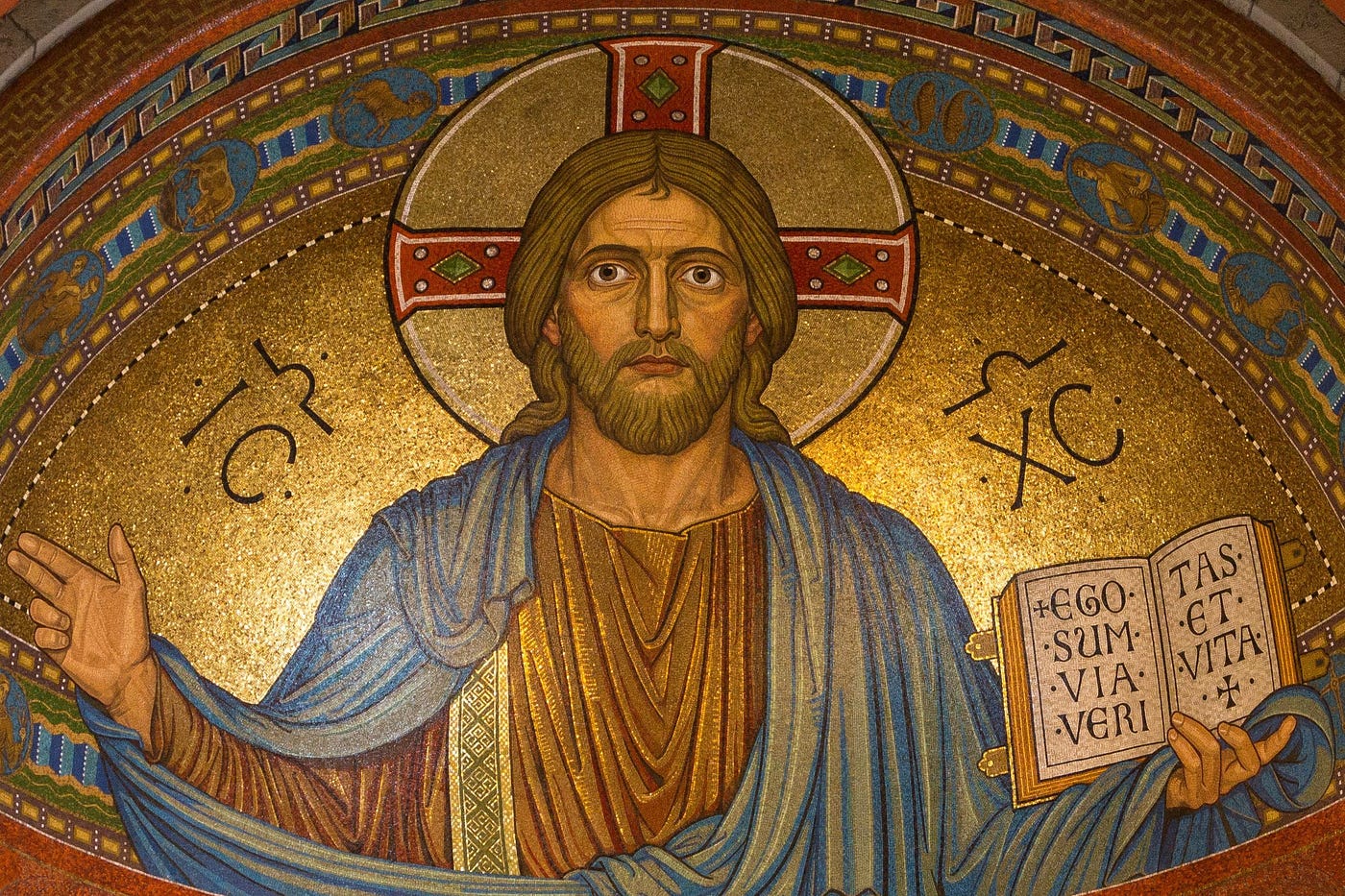
PaRDeS Exegesis of Matthew 13:10–17
The PaRDeS method of exegesis, rooted in Kabbalistic traditions and developed by Rabbi Moses de Leon, provides a structured approach to interpreting sacred texts through four interpretative levels: Peshat (literal meaning), Remez (allegorical meaning), Derash (symbolic meaning), and Sod (secret or mystical meaning). Applying this method to Matthew 13:10–17 reveals its layered meanings.
Peshat (Literal Meaning)
The Peshat level focuses on the straightforward, literal interpretation of the text.
Literal Interpretation: The disciples ask Jesus why He speaks to the people in parables. Jesus explains that the knowledge of the mysteries of the kingdom of heaven has been granted to the disciples but not to others. He says that whoever has will be given more, and whoever does not have, even what they have will be taken away. Jesus speaks in parables because the people see but do not perceive and hear but do not understand. He cites the prophecy of Isaiah, which speaks of people with dull hearts, closed eyes, and ears that scarcely hear, preventing them from understanding and returning to be healed. Jesus tells the disciples that they are blessed because their eyes see and their ears hear what many prophets and righteous men longed to see and hear but did not.
Remez (Allegorical Meaning)
The Remez level seeks to uncover the allegorical or metaphorical significance behind the literal words.
Allegorical Interpretation:
- Parables: Represent the deeper spiritual truths of the kingdom of heaven, accessible to those with spiritual insight.
- Disciples: Symbolize those who are spiritually attuned and receptive to divine mysteries.
- People who do not understand: Represent those who are spiritually blind and deaf, unable to grasp deeper truths due to their hardened hearts.
- Knowledge of the Mysteries: Symbolizes divine wisdom and understanding granted to the faithful.
- Isaiah’s Prophecy: Highlights the fulfillment of divine revelation and the barriers to spiritual perception.
The allegory emphasizes the contrast between those who are spiritually perceptive and those who are not, illustrating the selective nature of divine revelation and understanding.
Derash (Symbolic Meaning)
The Derash level explores deeper, often symbolic meanings, typically involving moral or homiletic interpretations.
Symbolic Interpretation:
- Seeing but not perceiving, hearing but not understanding: Symbolize the superficial engagement with spiritual teachings without deeper comprehension.
- Hardened Hearts: Reflect the moral and spiritual state that prevents true understanding and transformation.
- Blessed Disciples: Represent the ideal state of spiritual receptivity and openness to divine truth.
- Fulfillment of Prophecy: Symbolizes the unfolding of divine plan and the realization of spiritual truths through Jesus’ teachings.
Symbolically, the passage encourages believers to cultivate spiritual sensitivity and receptivity, warning against the dangers of a hardened heart and superficial engagement with spiritual teachings.
Sod (Secret or Mystical Meaning)
The Sod level delves into the mystical, esoteric meanings that might be hidden within the text.
Mystical Interpretation:
- Parables: Represent the esoteric teachings that convey profound spiritual truths in a concealed manner, accessible only to the initiated.
- Disciples’ Understanding: Symbolizes the awakening of spiritual consciousness and the direct experience of divine mysteries.
- People’s Spiritual Blindness: Reflects the soul’s journey through ignorance and the barriers to spiritual enlightenment.
- Isaiah’s Prophecy: Represents the karmic and spiritual obstacles that hinder the soul’s perception and return to divine unity.
- Blessedness of the Disciples: Symbolizes the state of enlightenment and the soul’s alignment with divine wisdom.
Mystically, the passage highlights the soul’s potential for awakening and enlightenment through spiritual teachings, emphasizing the importance of inner transformation and the realization of divine truths.
Conclusion
The PaRDeS method reveals the richness and depth of Matthew 13:10–17. From its literal explanation of why Jesus speaks in parables to its allegorical message about spiritual perception and divine revelation, its symbolic encouragement of deep spiritual engagement, and its mystical insights into the soul’s journey towards enlightenment, this passage offers a comprehensive understanding of the selective nature of divine wisdom and the importance of cultivating spiritual sensitivity. Engaging with the text on multiple levels allows one to appreciate the profound and multifaceted teachings of Jesus regarding the mysteries of the kingdom of heaven and the barriers to spiritual understanding.
More …
메타데이터
- post_id
- dd2f6f2b7ebe
- slug
- the-purpose-of-the-parables-hidden-meanings-in-the-parables-of-jesus-pardes-dd2f6f2b7ebe
- url
- https://medium.com/@eyeofheaven/the-purpose-of-the-parables-hidden-meanings-in-the-parables-of-jesus-pardes-dd2f6f2b7ebe
- canonical_url
- https://medium.com/@eyeofheaven/the-purpose-of-the-parables-hidden-meanings-in-the-parables-of-jesus-pardes-dd2f6f2b7ebe
- author_url
- https://medium.com/@eyeofheaven
- status
- ok
- fetched_at
- 2026-07-23 09:49:07