Ayurvedic Treatment for Sciatica: A Holistic Approach to Pain Management
Sciatica is a condition that affects many people worldwide, often causing pain that radiates from the lower back through the hips and down…
Ayurvedic Treatment for Sciatica: A Holistic Approach to Pain Management
Sciatica is a condition that affects many people worldwide, often causing pain that radiates from the lower back through the hips and down one or both legs. It commonly occurs when the sciatic nerve becomes irritated or compressed due to conditions such as a herniated disc, spinal stenosis, or muscle tightness. While conventional treatments focus on relieving pain and addressing the underlying cause, Ayurveda offers a complementary approach that emphasizes restoring balance through personalized therapies, lifestyle modifications, and natural healing practices.
Understanding Sciatica
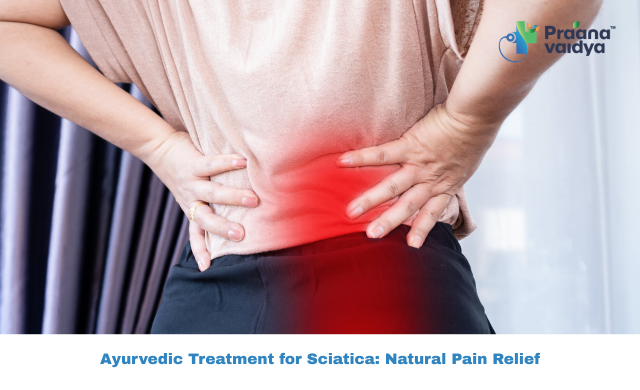
The sciatic nerve is the longest nerve in the human body, extending from the lower spine to the feet. When pressure is placed on this nerve, symptoms may include:
- Sharp or burning pain in the lower back or leg
- Tingling or numbness
- Muscle weakness
- Pain that worsens while sitting for long periods
- Difficulty walking or standing comfortably
The severity of symptoms varies from person to person, making early evaluation important for appropriate care.
Sciatica from an Ayurvedic Perspective
In Ayurveda, sciatica is often associated with an imbalance of Vata Dosha, which governs movement within the body. When Vata becomes aggravated, it may contribute to pain, stiffness, and reduced mobility.
Rather than focusing solely on symptom relief, Ayurveda aims to improve overall balance by combining natural therapies, dietary guidance, and healthy daily routines. Treatment plans are generally personalized based on an individual’s condition, lifestyle, and overall health.
Ayurvedic Therapies That May Support Recovery
Ayurvedic management of sciatica often includes a combination of traditional therapies designed to improve mobility and support musculoskeletal health.
Abhyanga (Therapeutic Oil Massage)
Warm herbal oil massage is commonly used to relax muscles, improve circulation, and promote overall comfort. Regular sessions may help reduce muscle tightness and support flexibility.
Swedana (Herbal Steam Therapy)
Steam therapy is often performed after massage to encourage muscle relaxation and improve mobility. It may also help relieve stiffness associated with sciatica.
Kati Basti
This localized therapy involves retaining warm medicated oil over the lower back for a specific period. It is traditionally used to support lower back comfort and improve flexibility.
Panchakarma
In selected cases, Ayurvedic practitioners may recommend Panchakarma, a structured detoxification program designed according to individual needs. This therapy is always performed under professional supervision.
Lifestyle Habits That Support Sciatic Nerve Health
Daily habits play an important role in managing sciatica alongside medical care.
Helpful practices include:
- Maintaining good posture
- Avoiding prolonged sitting
- Performing gentle stretching exercises
- Staying physically active within comfortable limits
- Maintaining a healthy body weight
- Using supportive seating and bedding
Simple lifestyle adjustments can help reduce unnecessary strain on the lower back.
The Importance of Gentle Exercise
Exercise helps strengthen muscles that support the spine while improving flexibility.
Low-impact activities may include:
- Walking
- Gentle yoga
- Stretching
- Core-strengthening exercises
- Light mobility routines
Exercise programs should always be tailored to the individual’s condition and performed under professional guidance when necessary.
Nutrition and Daily Wellness
A balanced diet supports overall musculoskeletal health and recovery.
General recommendations include:
- Eating freshly prepared meals
- Staying hydrated
- Including fruits and vegetables
- Choosing whole grains
- Consuming adequate protein
- Limiting heavily processed foods
Good nutrition complements other treatment approaches and contributes to overall well-being.
When to Seek Medical Care
Although many cases of sciatica improve with conservative treatment, immediate medical evaluation is important if symptoms include:
- Severe or worsening pain
- Progressive muscle weakness
- Loss of bladder or bowel control
- Significant numbness
- Difficulty walking
These symptoms require prompt assessment by a qualified healthcare professional.
Combining Ayurveda with Modern Healthcare
Ayurveda focuses on supporting the body’s natural healing processes through personalized care and healthy lifestyle practices. When combined with evidence-based medical evaluation, it can become part of a comprehensive approach to managing sciatica.
Praanavaidya offers individualized Ayurvedic care that combines traditional therapies, personalized lifestyle guidance, and holistic wellness practices to help support mobility, comfort, and long-term musculoskeletal health.
메타데이터
- post_id
- dd40cdcd22ae
- slug
- ayurvedic-treatment-for-sciatica-a-holistic-approach-to-pain-management-dd40cdcd22ae
- url
- https://medium.com/@praanavaidya/ayurvedic-treatment-for-sciatica-a-holistic-approach-to-pain-management-dd40cdcd22ae
- canonical_url
- https://medium.com/@praanavaidya/ayurvedic-treatment-for-sciatica-a-holistic-approach-to-pain-management-dd40cdcd22ae
- author_url
- https://medium.com/@praanavaidya
- status
- ok
- fetched_at
- 2026-08-09 01:35:37