Seeking Reinforcement
Why emotional support, resilience, and even AI might matter more than we realize.
Seeking Reinforcement
We live in a world that moves quickly and rarely slows down for anyone. People are expected to adapt faster, make decisions faster, recover faster, and somehow remain strong even after making mistakes. Yet none of these things are easy.
Everyone carries different strengths and vulnerabilities. Some people seem naturally resilient. They can endure pressure, recover from setbacks, and continue moving forward. Others may appear fragile under heavy burdens. But perhaps those same people possess gifts, sensitivities, and depths that the stronger ones do not.
I believe that Allah SWT, the Lord of all creation, created human beings with both strengths and limitations for a reason. I also believe that we are never given burdens beyond our capacity to bear. What is often tested, however, is not our ability, but our faith in that promise. Do we truly believe that we can endure?
In a world that feels increasingly fragile, reinforcement has become a privilege. At least, that is how I see it. Healthy support, understanding, and emotional safety are precious things. Not everyone has access to them. And because of that, people search for reinforcement in different places.
Some seek professional help through psychologists, psychiatrists, or counselors. I think that is a beautiful thing. These professionals are trained to look at problems with clarity, helping people untangle the knots in their lives one thread at a time. But access to mental health support is still far from equal. Many people simply cannot afford it, or do not even see it as something they are allowed to prioritize. Because survival comes first.
People need to work. They need to pay bills. They need to provide for their families and make sure life remains stable. Emotional needs often become secondary , not because they are unimportant, but because so many other things seem more urgent. Perhaps this is one of the reasons why modern life has made us increasingly individualistic. We become consumed by our own responsibilities and worries. We focus on surviving, sometimes forgetting that others are carrying invisible burdens as well.
Growing up in Eastern cultures, particularly in Indonesia, we are taught to endure. We are taught to respect parents, family, and social expectations. We are often encouraged to appear strong and accept pressure without complaint. Yet pressure is still pressure. Pain does not become smaller simply because we are taught to tolerate it. And beyond family and society, there are larger pressures surrounding us.
Life in developing countries carries its own complexities. Opportunities are harder to find. Competition grows stronger. Companies demand greater productivity. Expectations rise, while uncertainty becomes a normal part of life. Many people, especially those living around large cities like Jakarta, are trying their best just to keep going. Which is why reinforcement matters.
Not because life should become easier, but because people need enough strength to continue functioning as human beings. And perhaps this is where resilience becomes more than just a personality trait. Resilience is a skill. The ability to adapt, to remain patient, to find meaning in suffering, to understand what lies beneath painful experiences, and to recover without losing ourselves — these are becoming essential human competencies. Because healing is not about becoming invincible. It is about seeing the world with greater clarity.
Interestingly, one of the most fascinating phenomena of our time is that people are beginning to seek reinforcement from something that is not human. Artificial Intelligence.
For some, AI has become a space for reflection. A place to organize thoughts, process emotions, and gain perspective. Research has already begun exploring how AI may serve as an emotional companion or a tool for self-reflection. Whether this will have positive long-term effects remains to be seen.
Will AI improve humanity’s mental well-being? Will it help people navigate increasingly complex lives? Or will it create new challenges that we have yet to understand?
Perhaps only time will tell.
But I believe AI should not replace human wisdom, nor should it become a shortcut for solving every problem. Instead, perhaps AI should be viewed as reinforcement. A mirror that helps us see ourselves more clearly. A quiet space to think. A tool that helps us strengthen our resilience and return to our role as thoughtful and wise human beings. Because the purpose of reinforcement is not to eliminate problems. Its purpose is to help us withstand them.
And in a world that grows faster, louder, and more demanding every year, psychological reinforcement itself has become a privilege. If you have it, treasure it. Because reinforcement does not merely improve the quality of our lives. It shapes how we show up in this world. How we see others with compassion. How we make decisions with wisdom. And how we become useful to those around us. Perhaps that is what true wealth really means. Not a life without pressure, but the ability to keep growing, keep functioning, and keep remaining human in the midst of it all.
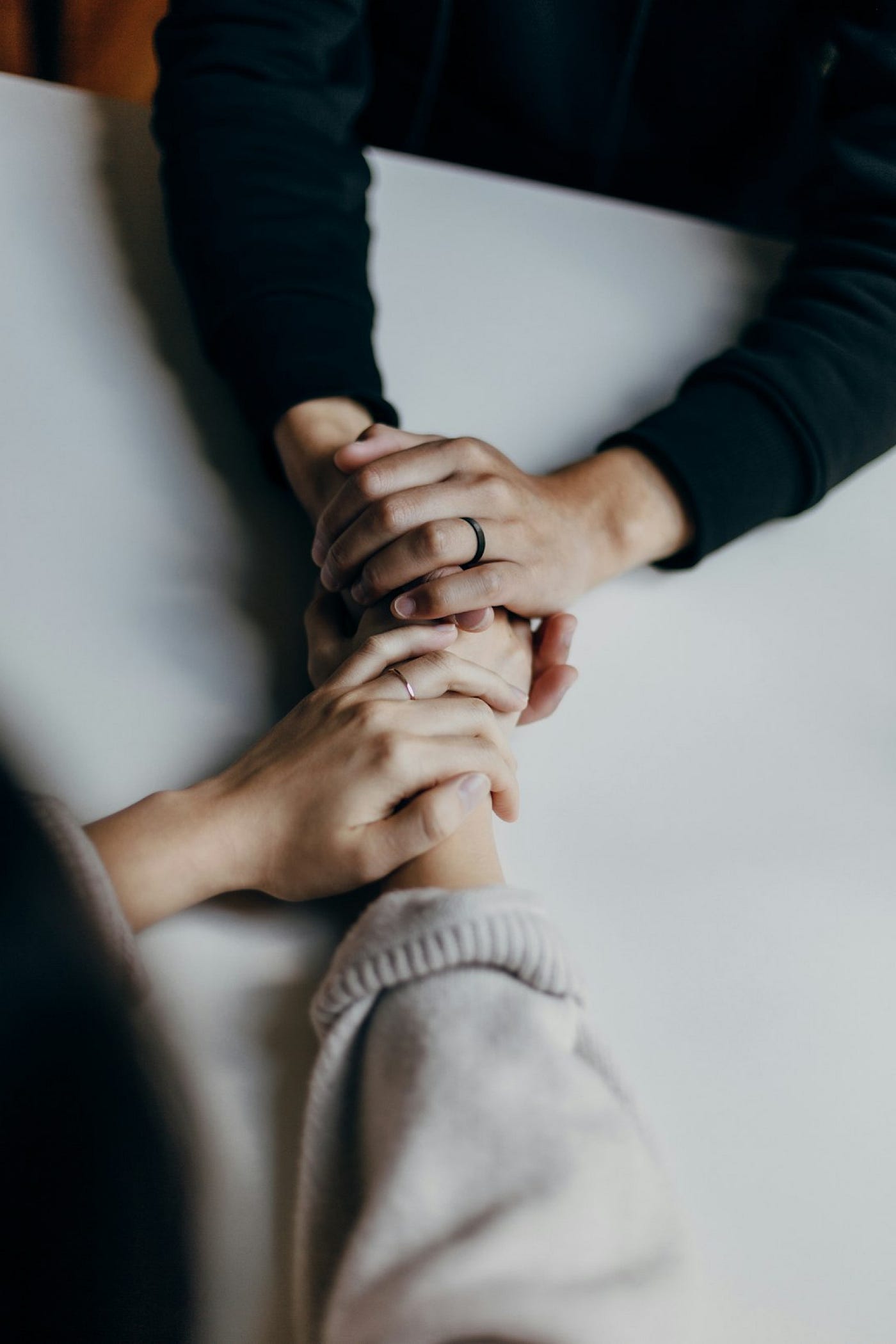
Photo by Priscilla Du Preez 🇨🇦 on Unsplash
메타데이터
- post_id
- dd4d2bcf302f
- slug
- seeking-reinforcement-dd4d2bcf302f
- url
- https://medium.com/@chisna27/seeking-reinforcement-dd4d2bcf302f
- canonical_url
- https://medium.com/@chisna27/seeking-reinforcement-dd4d2bcf302f
- author_url
- https://medium.com/@chisna27
- status
- ok
- fetched_at
- 2026-06-28 14:26:31






