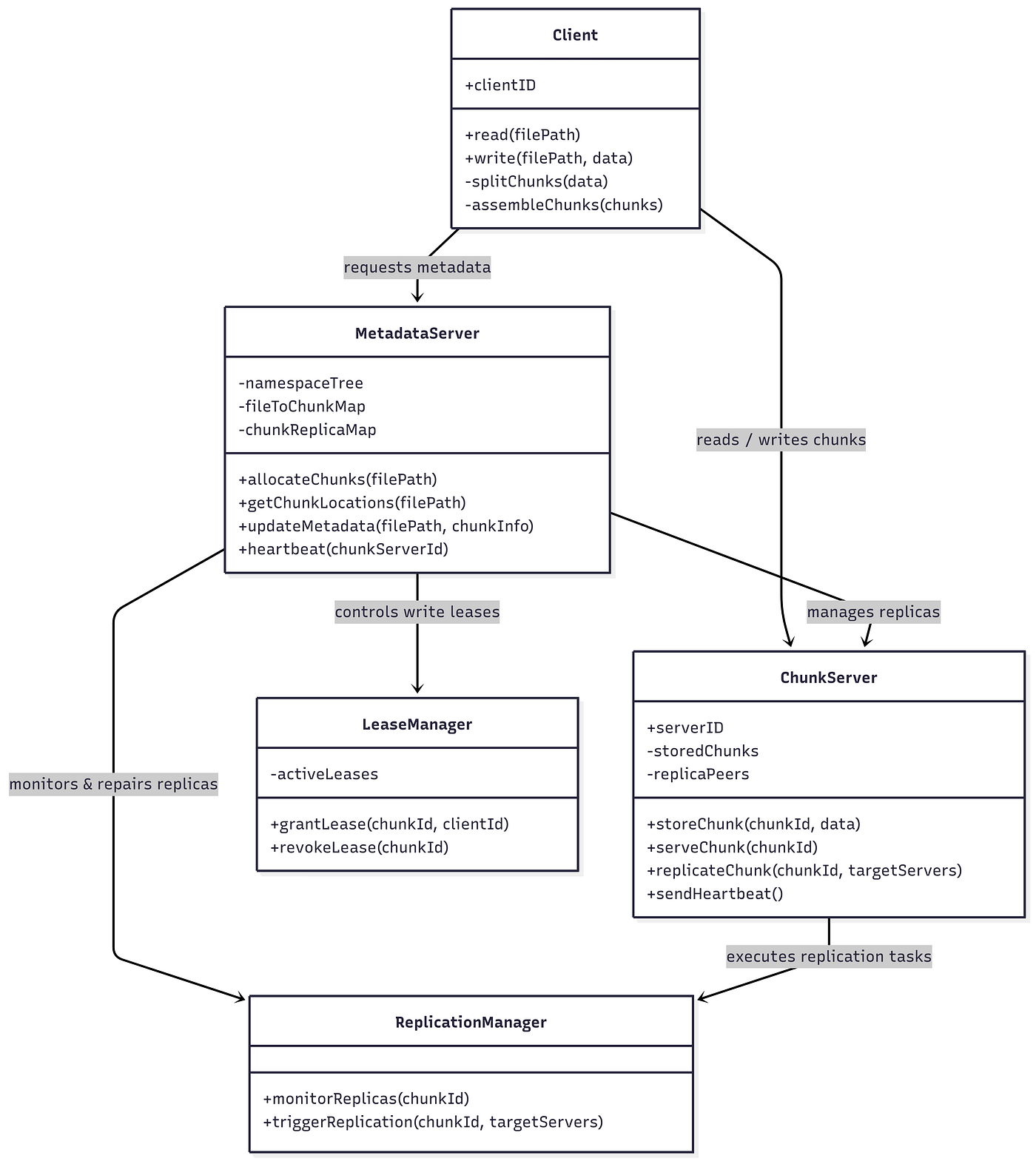
A Quick Guide to UML Class Diagrams
1. Class Block
A Quick Guide to UML Class Diagrams
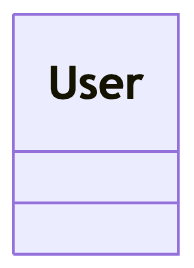
1. Class Block
A class is represented as a rectangle with three compartments: the first for the name, the second for the attributes, and the third for the methods.
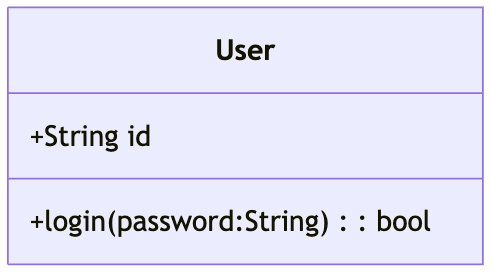
2. Attributes and Operations
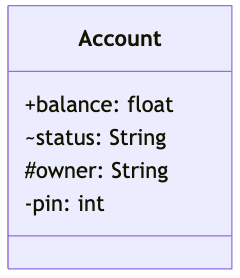
Inside the class block, list data as field: Type and behavior as method(params): ReturnType.
3. Visibility and Modifiers
Use + for public, ~ for package (default), # for protected, — for private, underline static members, and italicize abstract ones.
4. Association
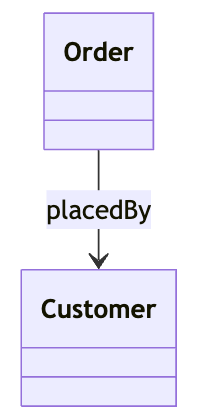
A solid line shows a persistent link between instances, and add role names if helpful.
5. Multiplicity
Quotes on the line ends express “how many.”
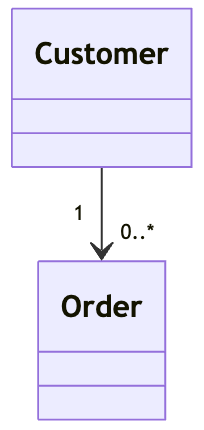
Here, the class diagram indicates that a customer can place zero or more orders.
6. Inheritance (Generalization)
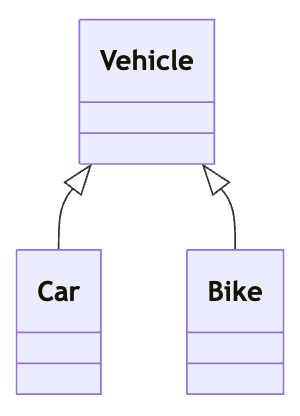
Open arrow means is-a. Subclasses inherit all attributes and operations.
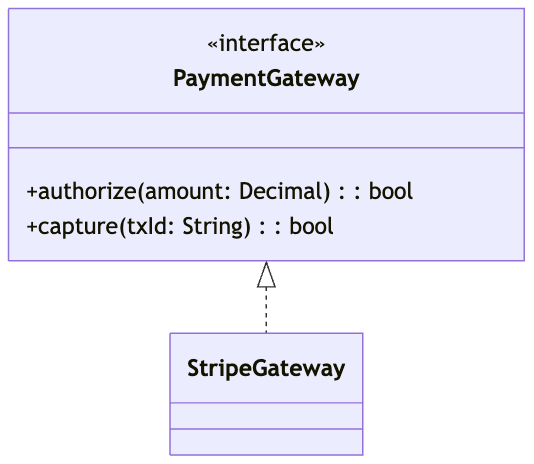
7. Interface Realization
Mark a contract with <<interface>>, and a class realizes it via a dashed open arrow <|..
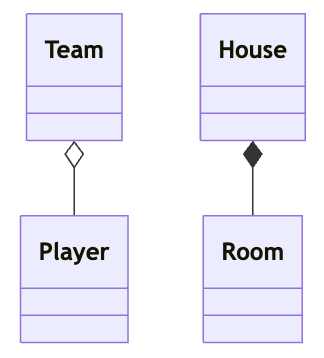
8. Aggregation vs. Composition
- Aggregation is represented by o — and it means parts may live on
- Composition is represented by * — and it means parts die with the whole
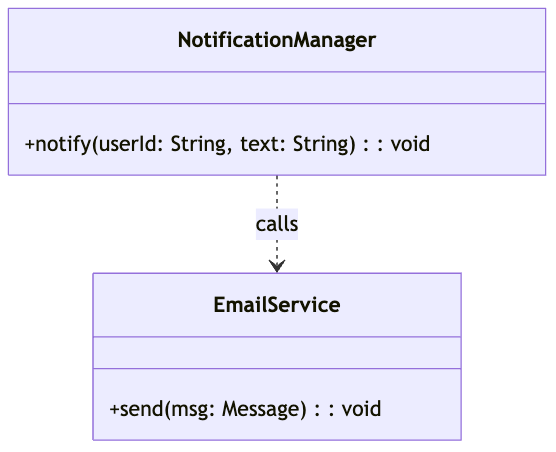
9. Dependency
A dashed arrow ..> marks a temporary collaboration: one class needs another only while a method runs, never storing it afterward
Keep diagrams small, focus on relationships, and update them during code reviews. With these nine patterns, you can sketch most designs.
메타데이터
- post_id
- dd70eab652fa
- slug
- a-quick-guide-to-uml-class-diagrams-dd70eab652fa
- url
- https://medium.com/@omsaikrishnamadhav.lella/a-quick-guide-to-uml-class-diagrams-dd70eab652fa
- canonical_url
- https://medium.com/@omsaikrishnamadhav.lella/a-quick-guide-to-uml-class-diagrams-dd70eab652fa
- author_url
- https://medium.com/@omsaikrishnamadhav.lella
- status
- ok
- fetched_at
- 2026-08-07 21:16:54