Global Nafion Market: Definition, Industry Insights, Growth Drivers, Challenges, Opportunities, and…
The global Nafion market is emerging as a critical segment within advanced materials and clean energy technologies, driven by increasing…
Global Nafion Market: Definition, Industry Insights, Growth Drivers, Challenges, Opportunities, and Market Analysis
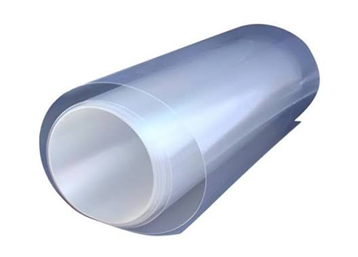
The global Nafion market is emerging as a critical segment within advanced materials and clean energy technologies, driven by increasing demand for hydrogen systems, fuel cells, electrochemical devices, and sustainable energy solutions. Nafion, a high-performance perfluorosulfonic acid (PFSA) fluoropolymer, is widely recognised for its exceptional proton conductivity, chemical resistance, thermal stability, and long operational durability.
The market includes the production, distribution, and application of Nafion-based materials across multiple industries, including energy, chemical processing, transportation, and advanced manufacturing. Its unique ion-exchange properties make it an essential material for proton exchange membranes (PEMs), electrolysers, and other high-performance electrochemical systems.
Click here to receive a free sample report: https://www.tedresearchsolutions.com/report/4670
The global Nafion market is segmented by:
- Product Type: Membranes, dispersions, and resins
- Application: Fuel cells, electrolysers, chlor-alkali processing, energy storage, and other advanced electrochemical applications
- Region: North America, Europe, Asia-Pacific, Latin America, and the Middle East & Africa
Growing investments in hydrogen infrastructure, renewable energy integration, and low-carbon technologies are accelerating Nafion adoption across emerging energy applications.
Understanding the Global Nafion Market
Nafion is a specialised fluoropolymer developed for applications requiring efficient proton transport and strong chemical stability. Its ability to operate under demanding conditions makes it a preferred material in fuel cells, hydrogen production systems, and industrial electrochemical processes.
The market consists of three primary product categories:
Nafion Membranes
Nafion membranes represent the most widely used product segment due to their role as proton exchange membranes (PEMs) in fuel cells and electrolysers. These membranes provide high proton conductivity, mechanical strength, and chemical durability, making them essential for hydrogen-powered vehicles, renewable energy systems, and stationary power generation.
Nafion Dispersions
Nafion dispersions are increasingly used in catalyst layer manufacturing, membrane electrode assemblies (MEAs), coatings, and electrode preparation. Their ability to enhance catalyst utilisation and improve electrochemical performance makes them valuable in fuel cell and electrolyser manufacturing.
Nafion Resins
Nafion resins are utilised in ion-exchange applications, speciality coatings, chemical processing systems, and advanced material formulations. Their chemical resistance and ion transport properties support applications requiring long-term reliability under harsh operating environments.
Key Drivers Fueling Global Nafion Market Growth
Rising Adoption of Hydrogen Energy Technologies
The transition toward clean energy and global decarbonisation initiatives is one of the strongest drivers for Nafion market growth. The increasing deployment of hydrogen fuel cells and proton exchange membrane fuel cells (PEMFCs) in transportation, stationary power systems, and portable energy applications is creating significant demand for Nafion membranes.
Nafion’s high proton conductivity, durability, and stability make it a preferred choice for fuel cell manufacturers seeking efficient and reliable energy conversion technologies.
Expansion of Green Hydrogen Production
The growing focus on green hydrogen generation is accelerating demand for Nafion-based membranes in water electrolysers. Governments, industries, and energy companies are investing heavily in hydrogen infrastructure to reduce carbon emissions and support renewable energy integration.
PEM electrolysers using Nafion membranes offer efficient hydrogen production capabilities, supporting the global transition toward cleaner energy systems.
Increasing Demand for Advanced Electrochemical Materials
Beyond hydrogen applications, Nafion is gaining importance in chemical processing, chlor-alkali systems, sensors, batteries, and other electrochemical devices.
Industries requiring selective ion transport, chemical resistance, and operational stability are increasingly adopting Nafion-based solutions.
Technological Advancements in Membrane Engineering
Continuous improvements in material engineering, membrane design, and manufacturing technologies are enhancing Nafion performance. Research efforts focused on improving efficiency, reducing costs, and increasing durability are expected to expand its commercial applications.
Challenges Restraining the Nafion Market
Despite strong growth potential, the global Nafion market faces several challenges related to cost, environmental concerns, and technological limitations.
High Manufacturing Costs
One of the biggest restraints is the high production cost associated with Nafion manufacturing. Complex fluoropolymer synthesis, specialised processing requirements, expensive raw materials, and strict quality control procedures increase overall production expenses.
These costs make Nafion less competitive compared with alternative membrane technologies, particularly in cost-sensitive applications.
Environmental Concerns Related to PFAS Materials
Nafion belongs to the PFSA family of fluoropolymers, which are associated with increasing environmental scrutiny due to concerns surrounding perfluorinated compounds.
Growing regulatory pressure on PFAS-related materials is encouraging researchers and manufacturers to explore more sustainable alternatives.
Performance Limitations Under Extreme Conditions
Although Nafion provides excellent performance under normal operating conditions, its efficiency can decline in high-temperature environments, low-humidity conditions, and chemically aggressive applications.
These limitations create demand for improved membrane technologies capable of operating under more challenging conditions.
Competition from Alternative Technologies
The development of lower-cost proton exchange membranes and fluorine-free alternatives is increasing competition within the market. Manufacturers are focusing on improving affordability, sustainability, and performance to maintain market competitiveness.
Emerging Opportunities in the Global Nafion Market
The Nafion market presents significant opportunities due to rapid advancements in hydrogen technology, clean energy systems, and electrochemical innovation.
Expansion of Hydrogen Economy
The global hydrogen economy represents one of the largest growth opportunities for Nafion. Increasing investments in hydrogen mobility, renewable hydrogen production, and fuel cell infrastructure are expected to create long-term demand for Nafion-based membranes.
Growth in Fuel Cell Applications
The rising adoption of hydrogen-powered vehicles, backup power systems, and stationary energy solutions is expanding opportunities for Nafion manufacturers.
Increasing Applications in Energy Storage
Nafion technology is gaining attention in advanced energy storage systems, flow batteries, and next-generation electrochemical devices due to its efficient ion exchange capabilities.
Development of Advanced Membrane Technologies
Research into customised ionomer formulations, improved membrane structures, and advanced manufacturing techniques is creating opportunities for higher-performance Nafion solutions.
Emerging economies with renewable energy programs and hydrogen development strategies are expected to provide additional growth opportunities for market participants.
Nafion Market Segmentation Analysis
By Product Segment
The global Nafion market is segmented into:
Membranes
Membranes dominate the market due to their extensive use in fuel cells, electrolysers, and hydrogen energy systems. Their superior proton conductivity, mechanical strength, and chemical stability make them essential components of clean energy technologies.
Dispersions
Nafion dispersions are gaining importance in catalyst coatings, electrode manufacturing, and membrane electrode assemblies. Increasing fuel cell and electrolyser production is supporting demand for this segment.
Resins
Nafion resins serve applications in ion exchange, chemical processing, speciality coatings, and advanced material formulations requiring chemical resistance and reliable ion transport.
Continuous innovation in product development is expected to strengthen growth across all Nafion product segments.
By Application Segment
The global Nafion market is categorised into:
- Fuel cells
- Electrolysers
- Chlor-alkali processing
- Energy storage
- Other advanced electrochemical applications
Fuel Cells
Fuel cells represent the leading application segment due to widespread use of Nafion membranes in hydrogen-powered vehicles, stationary energy systems, and portable power solutions.
Electrolysers
The electrolyser segment is experiencing rapid growth as global demand for green hydrogen production increases. Nafion-based membranes support efficient water electrolysis and renewable hydrogen generation.
Chlor-Alkali Processing
Nafion membranes are widely used in industrial electrolysis processes for chlorine and caustic soda production due to their chemical resistance and operational efficiency.
Other Applications
Additional applications include sensors, water purification systems, chemical processing, batteries, and advanced electrochemical devices.
Regional Analysis of the Global Nafion Market
North America
North America remains a leading Nafion market due to strong investments in hydrogen infrastructure, fuel cell technologies, clean transportation, and advanced research activities.
The presence of established technology developers continues to support regional growth.
Europe
Europe is experiencing strong market development due to aggressive decarbonisation targets, renewable energy initiatives, and government support for hydrogen economy development.
Green hydrogen projects and fuel cell deployment are creating sustained demand for Nafion materials.
Asia-Pacific
Asia-Pacific represents a high-growth region due to rapid industrialisation, expanding clean energy investments, and increasing hydrogen production initiatives.
Countries including China, Japan, South Korea, and India are investing heavily in fuel cells, electrolysers, and renewable energy technologies.
Latin America and Middle East & Africa
These regions are gradually emerging as future growth markets due to renewable energy projects, hydrogen production opportunities, and increasing investments in sustainable technologies.
Click here to receive a free sample report: https://www.tedresearchsolutions.com/report/4670
Future Outlook of the Global Nafion Market
The global Nafion market is positioned for significant expansion as industries accelerate their transition toward clean energy, hydrogen technologies, and advanced electrochemical systems.
Although challenges related to manufacturing costs, environmental regulations, and alternative technologies remain, continuous innovation in membrane engineering, sustainable materials, and production efficiency will support long-term growth.
With increasing investments in hydrogen infrastructure, fuel cells, renewable energy integration, and next-generation electrochemical technologies, Nafion is expected to remain a critical material supporting the global shift toward a cleaner and more sustainable energy future.
Looking for detailed market forecasts, competitive analysis, and growth opportunities?
Contact Details: Alex Carter
Lead-Business Development
Email: Inquiry@tedresearchsolutions.com
Website: https://www.tedresearchsolutions.com/ for the complete market report.
메타데이터
- post_id
- dd8d4ae225a0
- slug
- global-nafion-market-definition-industry-insights-growth-drivers-challenges-opportunities-and-dd8d4ae225a0
- url
- https://medium.com/@tedresearchsolutions/global-nafion-market-definition-industry-insights-growth-drivers-challenges-opportunities-and-dd8d4ae225a0
- canonical_url
- https://medium.com/@tedresearchsolutions/global-nafion-market-definition-industry-insights-growth-drivers-challenges-opportunities-and-dd8d4ae225a0
- author_url
- https://medium.com/@tedresearchsolutions
- status
- ok
- fetched_at
- 2026-07-31 11:13:41