Zero-down Solar Financing
As the world shifts toward renewable energy, solar power has emerged as a popular choice for homeowners looking to reduce their carbon…
Zero-down Solar Financing
Introduction
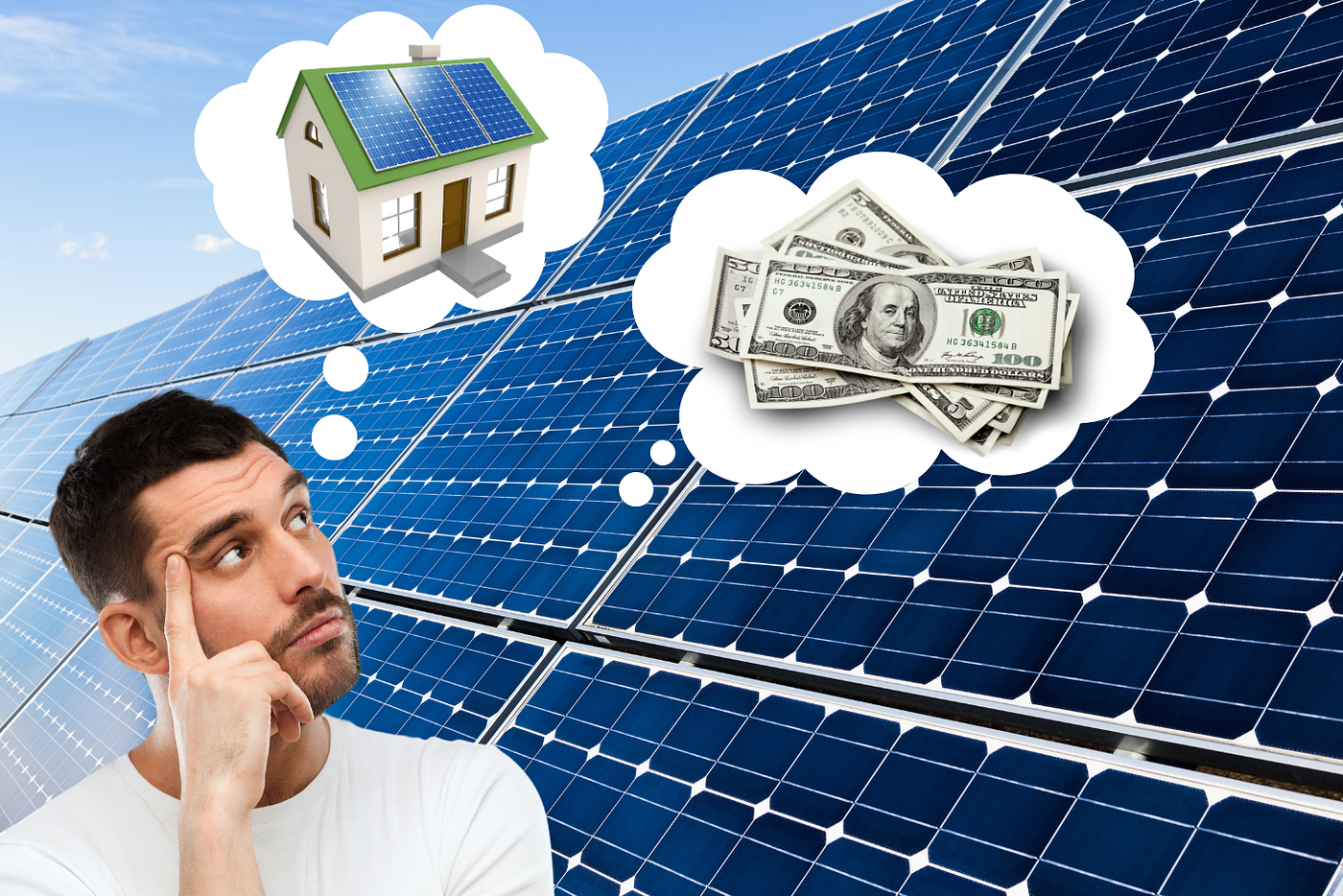
As the world shifts toward renewable energy, solar power has emerged as a popular choice for homeowners looking to reduce their carbon footprint and save on electricity bills. However, one of the biggest obstacles for many is the high initial cost of installing solar panels. Enter zero-down solar financing — a solution that allows you to go solar without the burden of upfront costs. This article explores the concept of zero-down solar financing, its benefits, how it works, and why it’s particularly relevant for people in the Philippines.
What Is Zero-Down Solar Financing?
Understanding the Basics
Zero-down solar financing is a payment arrangement that allows homeowners to install solar panels without any initial payment. Instead of paying upfront, you finance the installation costs over time, typically through a loan or lease agreement. This makes solar energy accessible to more people, eliminating the barrier of high upfront costs.
Types of Zero-Down Solar Financing
There are several types of zero-down solar financing, including:
- Solar Loans: You borrow money to pay for the solar panels and repay the loan in installments, often at a lower interest rate than a traditional home improvement loan.
- Solar Leases: You lease the solar system from a provider and pay a fixed monthly fee, usually lower than your previous electricity bill.
- Power Purchase Agreements (PPAs): Similar to a lease, but instead of a fixed fee, you pay for the electricity generated by the panels at a predetermined rate.
Why It’s Gaining Popularity
Zero-down solar financing is becoming increasingly popular for several reasons. Firstly, it offers immediate access to solar energy without requiring significant savings or upfront capital. This is particularly appealing in markets where solar adoption is still growing. Additionally, with more financing options available, homeowners can find a plan that fits their financial situation and long-term goals.
How Does Zero-Down Solar Financing Work?
The Process Explained
The process of zero-down solar financing involves several steps:
- Initial Consultation: You’ll first consult with a solar provider to assess your home’s suitability for solar panels. This includes evaluating your roof’s condition, orientation, and the amount of sunlight it receives.
- Choosing a Financing Option: Based on your financial situation, you can choose between a solar loan, lease, or PPA. Each option has its advantages, depending on your goals — owning the system outright, minimizing monthly costs, or avoiding maintenance responsibilities.
- Installation: Once financing is secured, the solar panels will be installed in your home. The installation process typically takes a few days to complete.
- Monitoring and Maintenance: The provider usually handles monitoring and maintenance if you choose a lease or PPA. You may be responsible for these aspects if you opt for a loan.
Repayment Terms
The repayment terms for zero-down solar financing vary depending on your chosen option. Solar loans typically have a repayment period of 10 to 20 years, with interest rates ranging from 3% to 8%. Leases and PPAs generally last 20 to 25 years, with fixed or escalating payments over time.
Eligibility Criteria
To qualify for zero-down solar financing, homeowners usually need to meet certain eligibility criteria, which may include:
- Credit Score: A good credit score is often required to qualify for the most favorable financing terms, particularly for solar loans.
- Homeownership: Typically, you need to own your home to be eligible for solar financing. Renters may have limited options, though some community solar programs may be available.
- Roof Condition: Your roof must be in good condition to support solar panels. If your roof needs repairs, you may need to address those before installation.
- Sunlight Exposure: Solar providers will assess your home’s exposure to sunlight to determine if solar panels will be effective.
Benefits of Zero-Down Solar Financing
Accessibility
One of the main advantages of zero-down solar financing is that it makes solar energy accessible to a broader audience. Homeowners who might not have the savings to cover upfront costs can still benefit from renewable energy and lower electricity bills.

Immediate Savings
With zero-down financing, you can save on your electricity bills as soon as your system is operational. The monthly solar loan or lease payment is often lower than your previous electricity bill, resulting in immediate savings.
Increase in Home Value
Installing solar panels can increase your home’s value. Studies have shown that homes with solar energy systems sell faster and at a higher price than those without. Zero-down financing boosts your home’s marketability without a significant initial investment.
Environmental Impact
By choosing solar energy, you’re contributing to reducing greenhouse gas emissions and dependence on fossil fuels. Zero-down financing makes it easier for more people to participate in the global shift toward renewable energy.
Potential for Energy Independence
Zero-down solar financing also offers the potential for greater energy independence. By generating your own electricity, you can reduce your reliance on the grid, which can be particularly advantageous in areas prone to power outages or high electricity prices.
Scalability and Future Expansion
Another advantage is the scalability of solar energy systems. Many homeowners start with a system that meets their current energy needs but have the option to expand in the future as their energy consumption grows. With zero-down financing, you can scale your solar system over time, potentially adding more panels or integrating battery storage without upfront costs.
Challenges and Considerations
Understanding the Long-Term Commitment
While zero-down solar financing offers many benefits, it’s important to understand the long-term commitment involved. Solar loans, leases, and PPAs typically span 10 to 25 years. Before committing, consider how long you plan to stay in your home and whether the savings will outweigh the costs over time.
Potential for Increased Costs
While zero-down financing eliminates upfront costs, it can result in higher overall costs than paying for the system outright. This is because you will likely pay interest on a loan or agree to escalating lease payments. It’s crucial to carefully compare the total cost of financing with the potential savings.
Ownership and Maintenance
With a solar loan, you own the system and are responsible for its maintenance. This can be a benefit if you’re comfortable with managing the system, but it may also be a drawback if you prefer a hands-off approach. In contrast, with a lease or PPA, the provider typically handles maintenance, but you don’t own the system.
Impact of Moving or Selling Your Home
You may face additional considerations if you decide to move or sell your home before completing your solar financing agreement. The system is typically tied to the home for solar loans, and the remaining balance may need to be paid off before selling. With leases and PPAs, you’ll need to transfer the agreement to the new homeowner, which could complicate the sale process.
Degradation and Efficiency Loss
Over time, solar panels can experience degradation, leading to decreased efficiency. While modern solar panels are designed to last 25 years or more, it’s important to consider the potential loss of efficiency when evaluating long-term savings. Ensure your financing agreement accounts for potential maintenance or replacement costs.
Zero-Down Solar Financing in the Philippines
The Growing Demand for Solar Energy
In the Philippines, the demand for solar energy is rapidly increasing as more people become aware of its environmental and economic benefits. The country’s abundant sunlight makes it an ideal location for solar power, and zero-down financing is helping to drive adoption by removing financial barriers.
Government Support and Incentives
The Philippine government offers various incentives to encourage the adoption of renewable energy, including tax exemptions and net metering. Zero-down solar financing works in tandem with these incentives, making it easier for homeowners to switch to solar energy.
Case Studies
Several solar providers in the Philippines offer zero-down financing options. These case studies highlight how homeowners across the country are benefiting from lower electricity bills and a reduced carbon footprint:
- Manila: A family in Manila installed a 5 kW solar system through a zero-down lease agreement. Their monthly lease payment is 20% lower than their previous electricity bill, resulting in significant savings.
- Cebu: A homeowner in Cebu financed their solar system with a zero-down loan. They’ve seen a 50% reduction in their electricity costs and expect to pay off the loan within 10 years, after which the savings will increase.
- Davao: In Davao, a business owner opted for a PPA to power their office with solar energy. The agreement requires no upfront cost, and they pay a fixed rate for the electricity generated, which is 30% lower than the grid rate.
How to Choose the Right Solar Financing Option
Evaluating Your Financial Situation
When considering zero-down solar financing, evaluating your financial situation is important. Ask yourself:
- Do you have a stable income to cover monthly payments?
- Are you planning to stay in your home for at least 10 years?
- Do you prefer to own the system, or would you rather avoid maintenance responsibilities?
Comparing Financing Options
Each financing option has its own pros and cons:
- Solar Loan: Ideal if you want to own the system and are comfortable with taking on debt. You’ll benefit from tax incentives and increased home value but must handle maintenance.
- Solar Lease: Best if you prefer a fixed monthly payment and don’t want to worry about maintenance. However, you won’t own the system, and the lease may include escalating payments.
- PPA: Suitable if you want to pay only for the electricity you use without upfront costs. You won’t own the system like a lease, but the rate per kWh may increase over time.
Consulting with a Solar Provider
Consulting with a reputable solar provider can help you navigate the various financing options and choose the one that best suits your needs. They can also provide a detailed estimate of the potential savings and costs, helping you make an informed decision.

Conclusion
Zero-down solar financing offers a compelling solution for homeowners looking to switch to renewable energy without the burden of upfront costs. By understanding the different financing options available and carefully evaluating your financial situation, you can take advantage of the many benefits solar energy offers. Whether you’re motivated by environmental concerns, the desire to save money on electricity bills, or the opportunity to increase your home’s value, zero-down solar financing can help you achieve your goals. As the solar industry continues to grow in the Philippines, more homeowners will have the opportunity to embrace clean energy and contribute to a sustainable future.
메타데이터
- post_id
- dda6a8e57838
- slug
- zero-down-solar-financing-dda6a8e57838
- url
- https://medium.com/@heliosph/zero-down-solar-financing-dda6a8e57838
- canonical_url
- https://medium.com/@heliosph/zero-down-solar-financing-dda6a8e57838
- author_url
- https://medium.com/@heliosph
- status
- ok
- fetched_at
- 2026-06-21 07:44:09