Stroll through Scripture for May 17, 2026
Based on Philippians 2:1–13
Stroll through Scripture for May 17, 2026
Based on Philippians 2:1–13
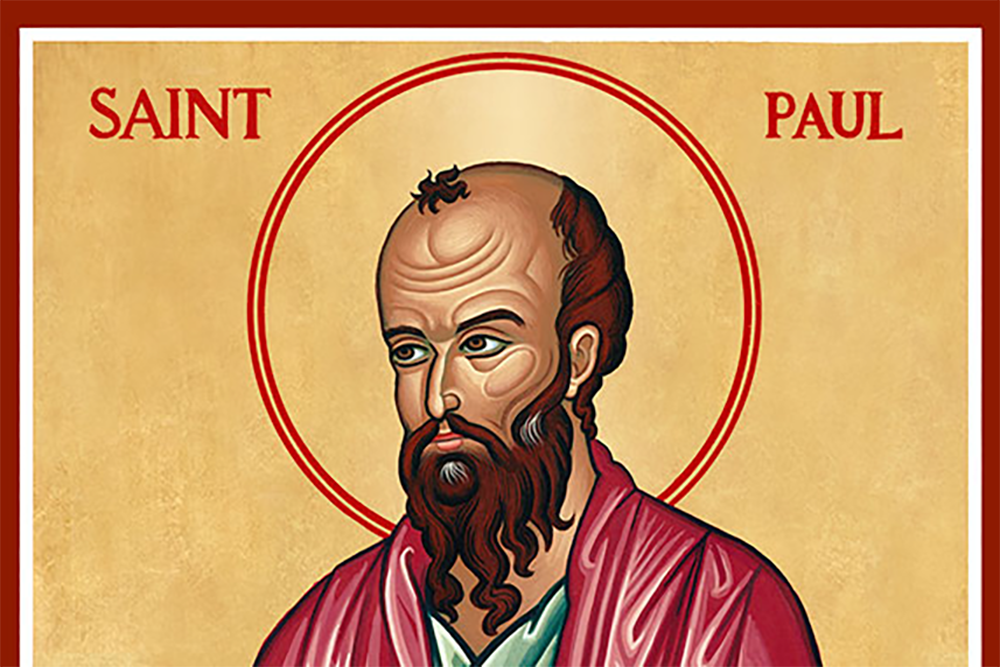
The Narrative Lectionary moves us to chapter two of Paul’s letter to the Philippians. And the joy continues as well. This section of the letter includes what is commonly referred to as the “Christ Hymn.” It is often thought that verses 6–11 were an early Christian hymn because they emphasis Christ’s divinity as well as his sacrifice and obedience to God the Father.
Regardless, this entire section of the letter has a focus — humility. This is a message that was certainly counter to the culture when Paul wrote it almost 2000 years again from a Roman jail to a Roman Colony loyal to Caesar. And I would argue is still a challenge today in American culture in the 21 stcentury.
Humility and humbleness are often misunderstood. In popular culture many see humility and humbleness in negative terms assuming that a humble person is weak and a push over. But that couldn’t be further from the truth. Humility is about being honest with oneself. It is acknowledging one’s limitation. It’s about being open minded to learn. It’s about paying attention to those around you. To be humble is not a sign of weakness at all. It comes from a place of self-awareness.
Paul begins chapter two with instructions for his readers — to be of the same mind. Paul isn’t talking about mindless compliance and being clones. He’s giving practical and useful advice to people who are living in a territory that is loyal to the empire and how it operates. The early Christians were in the minority. Paul is recognizing that followers of Jesus can be the biggest obstacles to outsiders receiving faith in Jesus. If followers are acting the same way and valuing the same things as the culture around them, then it raises a question — what’s the point?
Greco-Roman culture was characterized by honor and shame. This is different than our modern cultures which focus on individualism. The ancient Greco-Roman culture was more collectivistic. The highest good was to receive honor, which would give you status. Shame wasn’t just a personal loss, it would bring disgrace on one’s entire family, causing real economic impacts. Life was viewed as a competition for honor. This means that people would be doing everything they could to make themselves look “honorable.”
Paul’s letter conflicts with this common cultural outlook by not focusing on one’s own honor in the system, but rather on a wellbeing of others.
Originally published at https://pastormatthewbest.com on May 13, 2026.
메타데이터
- post_id
- ddb61ba27575
- slug
- stroll-through-scripture-for-may-17-2026-ddb61ba27575
- url
- https://medium.com/@pastormatthewbest/stroll-through-scripture-for-may-17-2026-ddb61ba27575
- canonical_url
- https://medium.com/@pastormatthewbest/stroll-through-scripture-for-may-17-2026-ddb61ba27575
- author_url
- https://medium.com/@pastormatthewbest
- status
- ok
- fetched_at
- 2026-07-10 08:43:10