proxy-eua-usage-guide
How to Use Proxy EUA for Stable US-Focused Operations
proxy-eua-usage-guide
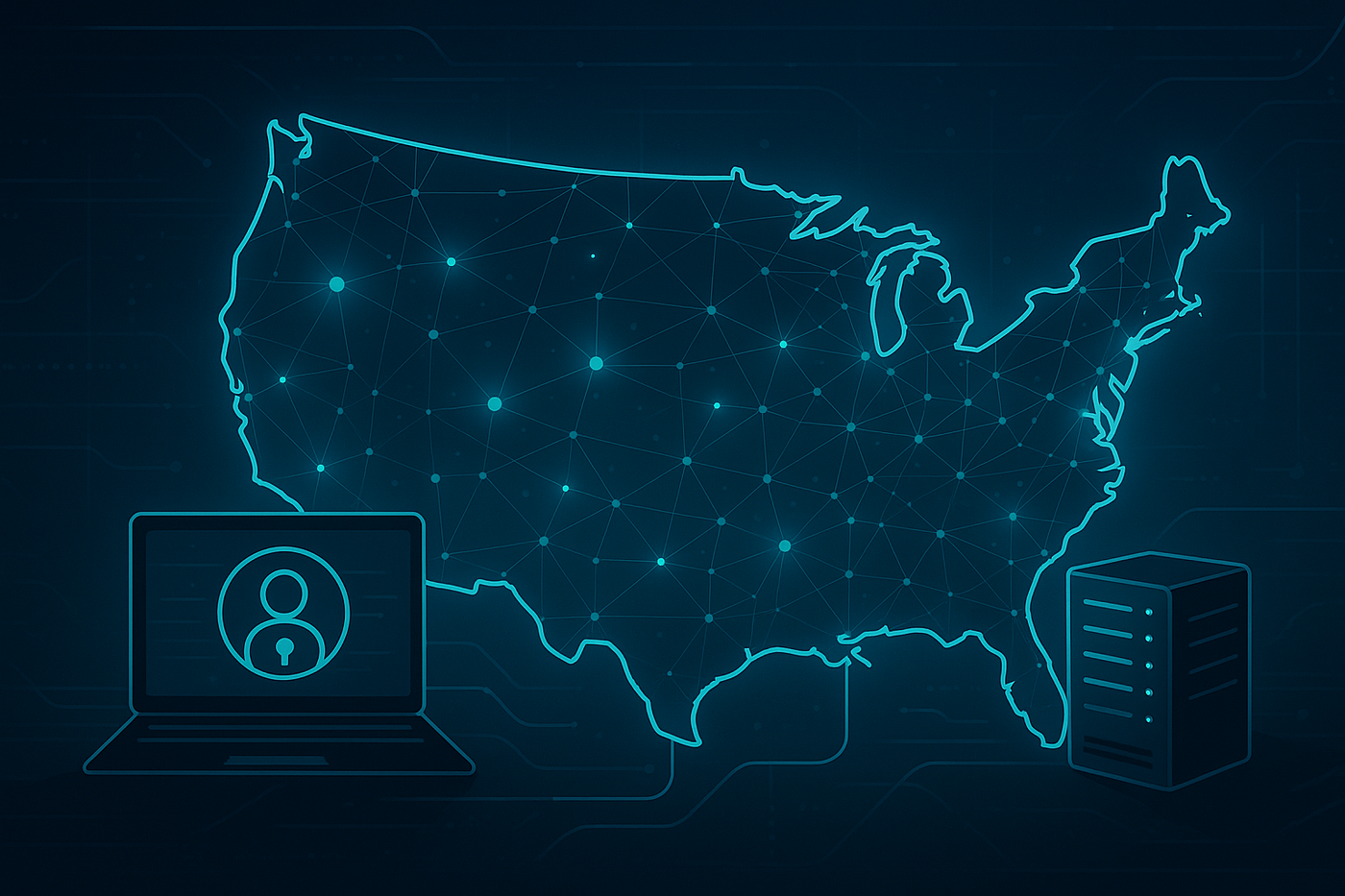
A modern network graphic showing stable US routing for proxy-based operations.
How to Use Proxy EUA for Stable US-Focused Operations
Teams running US-targeted workflows — Amazon store operations, TikTok/IG account management, or long-cycle data collection — often face friction when platforms detect irregular or shifting locations. Using a proxy eua setup helps these teams appear as stable US-based users, lowering the frequency of challenges and verification loops. For operators who depend on uninterrupted sessions and multi-account consistency, maintaining stability and a credible local identity directly affects throughput. Many teams search for ways to secure reliable US visibility for testing and monitoring, and a well-structured proxy eua approach provides that foundation.
Why Teams Running US Tasks Struggle Without Local Network Identity
US-facing platforms apply strict integrity checks. Sellers, social media teams, and data engineers frequently encounter login prompts, inconsistent session handling, or higher-than-expected rate limits. These issues often arise from a mismatch between account history and the network identity behind each request. In internal benchmarks run by several growth teams, switching between two non-US regions within a single hour increased challenge prompts by up to 40%.
From the platform’s perspective, inconsistent routing resembles shared or suspicious traffic. US e-commerce and social apps evaluate IP range, typical user movement patterns, and time-zone alignment to determine whether activity looks authentic. Without a stable US footprint, even legitimate workflows can appear fragmented. A consistent identity — combined with predictable routing — keeps sessions alive longer and reduces manual resets that often halt entire production cycles.
When a Proxy EUA Setup Creates a More “Native” US Presence
A strong US routing setup becomes essential when your workflow relies on continuity. Residential or ISP routes tied to US carriers generate trust signals that better resemble a real American user. These signals influence everything from login consistency to posting latency. During a recent multi-account test on a social platform, accounts operating behind steady US residential routes maintained continuous posting windows for 72 hours, while mixed-route accounts averaged only 10–14 hours before encountering interruptions.
Consider a social team running multiple US accounts for content testing. If the network origin changes by city, ASN, or timing, platforms detect irregular patterns. With stable, predictable US nodes, the system’s behavior aligns with genuine user expectations. This matters even more for scheduling tools or automated posting workflows. When each request passes through consistent US routes, the platform reads the traffic as legitimate, improving account longevity and reducing resets over long test cycles.
Choosing Between Residential, Datacenter, and ISP Options for US Workflows
Teams often ask which type of US proxy best fits their use case. The answer depends on workload intensity, identity sensitivity, and required stability.
Residential options Ideal for identity-sensitive operations such as marketplace store management, app testing, or warm-up phases. Their local-vs-global pattern resembles authentic user footprints, making them suitable for long sessions.
Datacenter routes Best for high-volume crawling or competitive analytics where request performance matters more than identity depth. Engineers conducting 50k+ hourly requests normally rely on datacenter paths due to cost efficiency and concurrency capacity.
ISP options These blend residential trust signals with datacenter performance. They support high-frequency interactions like bulk editing, catalog tuning, or real-time ad iteration. For teams maintaining 24/7 flows, ISP routes often produce the lowest reset rate because their identity is both stable and durable over extended sessions.
Matching your proxy category to the nature of the workload prevents verification loops, unexpected cooldowns, and inconsistent access behaviors.
Scaling Ad Verification, Landing Page QA, and Competitive Monitoring with Rotation Control
Large teams running ad verification, funnel QA, or landing page monitoring depend heavily on rotation consistency. If rotation is too aggressive, platforms may interpret the traffic as robotic due to rapid outbound changes. Conversely, insufficient rotation during broad testing can generate misleading results because all variants receive identical viewing conditions.
Teams validating US-only offers often require traffic from multiple states to compare redirect behavior, localized experiences, or compliance variations. In internal QA audits, inconsistent routing produced a ±12% deviation in landing page load metrics, leading to incorrect assumptions about regional performance.
In such environments, structured workflows tied to US proxy routing deliver consistent and testable results. When the verification or QA pipeline uses stable US exit points, platforms display the same experiences real American users would see, enabling more accurate comparisons and stronger performance insights across different ad networks.
Common Failure Modes When Misconfiguring US Routing and How to Avoid Downtime
Most operational issues arise from using the wrong routing strategy for the task. Some teams maintain a single static route for workloads that require periodic rotation. Others rotate too aggressively for identity-sensitive accounts, causing session resets. In multiple evaluations, mismatched attributes — such as US IP + non-US locale or US time zone + non-US region settings — triggered elevated challenge rates on major platforms.
A safer configuration emphasizes coherence. Keep time zone, system language, and routing aligned with genuine US behavior patterns. If your QA team tests multiple app builds, ensure their environment settings follow the same logic. For high-volume data crawling, avoid pushing concurrency beyond platform comfort thresholds. These adjustments prevent cascading failures such as throttling, long access cooldowns, or session invalidation that disrupt downstream workflows.
A well-designed US routing setup reduces operational friction, improves stability, and aligns your technical stack with how American platforms expect legitimate users to behave. When teams expand from one-off tests to sustained automation, maintaining a coherent US identity ensures scripts, accounts, and monitoring systems keep running without interruptions. As you scale, structured American network access builds the reliability needed for long-term productivity and better business outcomes.
메타데이터
- post_id
- ddc5d0184f33
- slug
- proxy-eua-usage-guide-ddc5d0184f33
- url
- https://medium.com/@ledgerbaker/proxy-eua-usage-guide-ddc5d0184f33
- canonical_url
- https://medium.com/@ledgerbaker/proxy-eua-usage-guide-ddc5d0184f33
- author_url
- https://medium.com/@ledgerbaker
- status
- ok
- fetched_at
- 2026-07-23 04:11:16