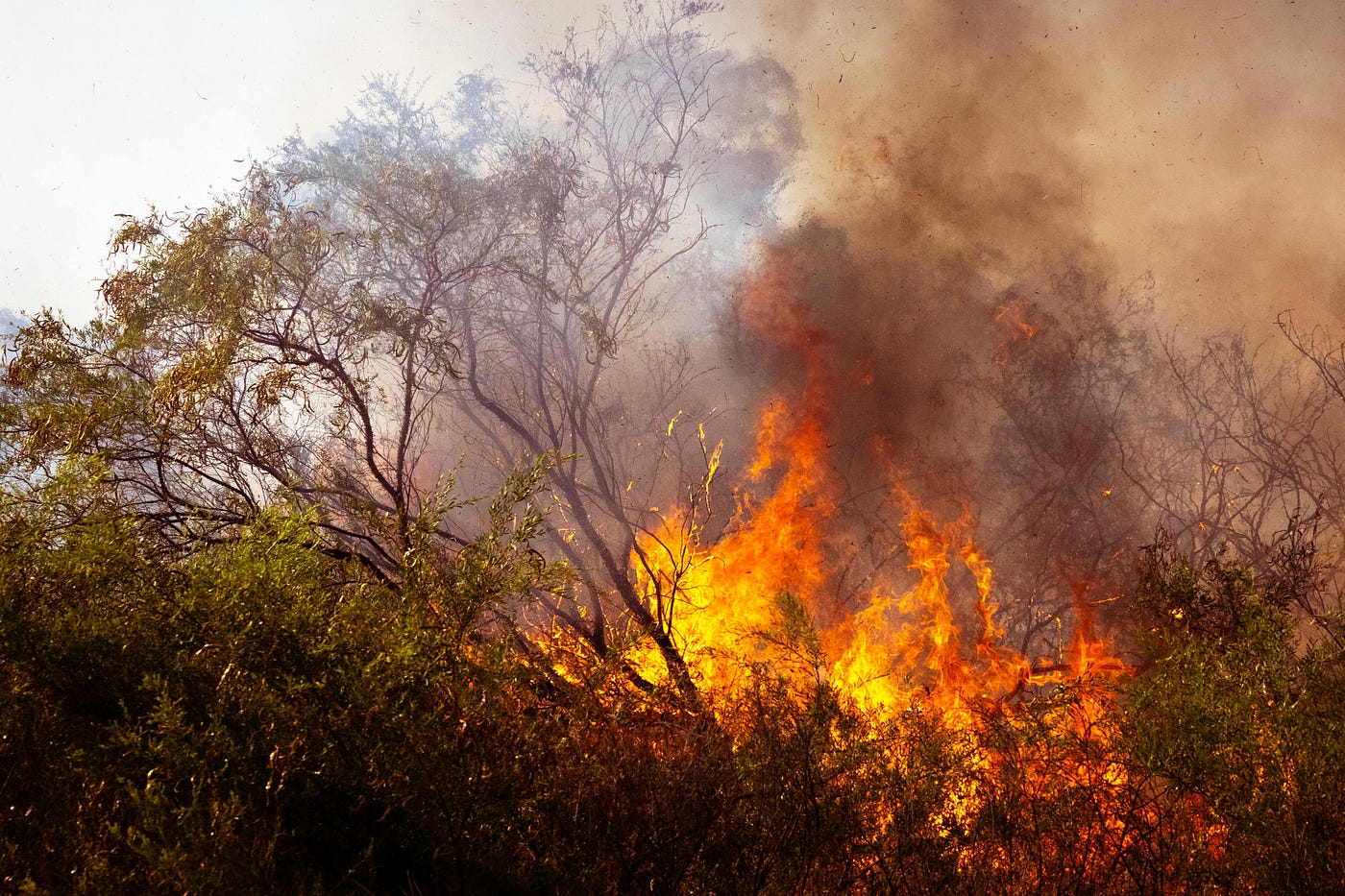
Returning To a Polluted Paradise
How growing out of “child eyes” opened my view to pollution!
Returning To a Polluted Paradise
How growing out of “child eyes” opened my view to pollution!

Authors Own Image (Damascus Sword Monument, Umayyad Square, 2025)
Childhood Memories in Syria
Growing up in a safe environment is all I wish for every child in the world. Before the civil war, and before I understood pollution, Syria was simply just my home. I remember seeing kids playing and running in the streets, not thinking about the pollution, having food in the house, drinking clean water without worrying about running out of it. As a child everything felt normal, waking up to birds chirping, sun is shining, and the smell of fresh bread. And later in the day talking to our neighbors from balconies to go out and play, that is what I remember from childhood before the war.
Even if the streets weren’t clean growing up, I still could see grass, the street I grew up on was still green. I never noticed these things, because the only thing that mattered was the game I played with my neighbours, the laughter I heard, and my family all together under one roof.
The war started and everything changed. I was really young when my dad went to prison for speaking up and wanting freedom. I was just a kid and didn’t understand what was happening. He got out, but a few years later he started to get threats from the regime so he had to leave the country…
These memories make the present reality hard to accept. It’s heartbreaking every time I return back, because what did we do? The park I used to play in has no grass left, there’s only trash in it, jasmine flowers are dead, the trees filled with dust. The streets now are not the ones I grew up on. It’s all filled with trash, the smell is killing, and destruction everywhere.
Returning To My Homeland
Syria is a country that went through a pandemic civil war. Many civilians died and the country got destroyed, but not only that the environment got worse. For many years Syria struggled with pollution because of the gas bombs that were thrown in the country at the civilians, people stopped caring about their environment, because the focus was dragged to free the country. Through a decade of dictator leadership that went on for 54 years, the trash has always been thrown everywhere and anywhere but in the dustbin. This has been a major issue and has been affecting the animals too.
I visited my home country three times after moving to Sweden, 2018, 2022, and now 2025 in December. On my last visit I felt more safe, but the environment was still the same. Because the monster Bashar Al-Assad and his regime destroyed us and our country.
The Streets I Remember
Choosing Syria as the environmental crisis was not difficult since I grew up there and experienced it myself. I only understood that my country’s environmental crisis was very serious the last time I visited it.
I started to compare it to Sweden, how they took care of the compost and how Syria did it. I started to teach my cousins to not throw candy papers on the ground, even if they said “just do it, you’re allowed here”. The “allowance” of throwing trash in the parks and everywhere all came from the government. There are no such “rules” for throwing trash outside, but people get influenced by each other.
When I came to Sweden I saw how clean the roads were, and just by that I knew that people didn’t throw their garbage everywhere, they knew where to throw it. But in Syria since everyone throws trash everywhere, it applies to everyone. Everyone will do the same, cause that’s how they learnt to do it.
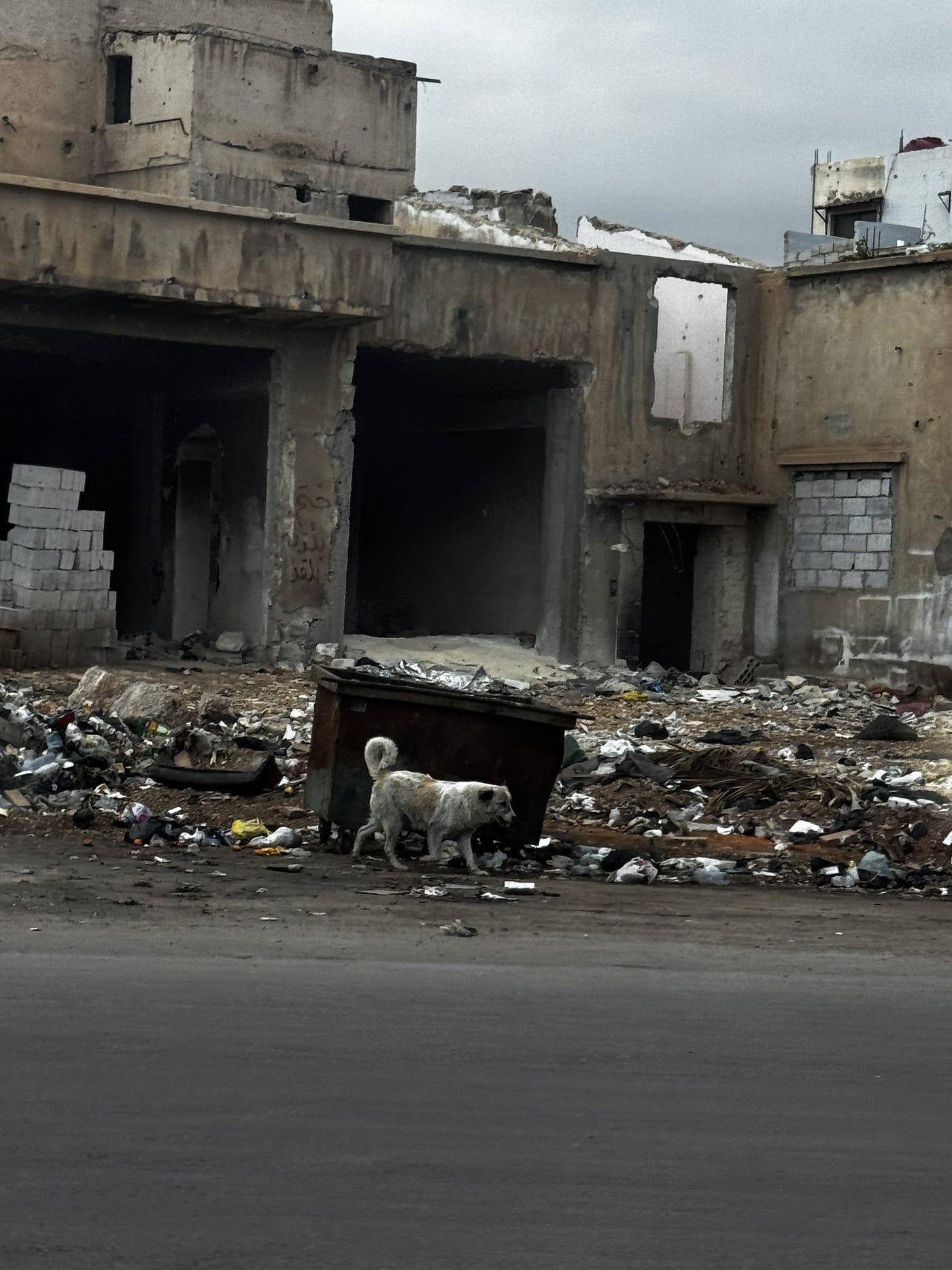
Authors Own Image (Damascus, 2025)
How War and Governance Shaped the Environment
The old government in Syria that fell 8th December 2024 didn’t just destroy the country, it destroyed people’s brains, how they saw their own country and how they treated it. One thing that I didn’t understand as a child and will never understand is how we could just throw our trash like we do, or what the Syrian people did that made the monster Bashar Al-Assad destroy our country. Buildings that were destroyed are where the trash mostly ended up, trash on the streets, unclean water, and burning the trash in the dustbin is still the way to get rid of it which made it harder to breathe, it felt that you breathed in the dirt. The air felt thick and heavy to breathe in.
These are signs of waste mismanagement, caused by decades of corruption, and the government that made people stop caring about their own health and the sustainability of the country
GAS BOMBS. Until this day I remember hearing about the attack in Ghouta. Back then I was too young to understand what these kinds of bombs did to people, but only that it killed them in ways I couldn’t imagine. Today when I think about it, these bombs didn’t just kill lives, it poisoned the air, the soil, and the land.
Seeing how war destroyed Syria will always be painful, but seeing how it destroyed the environment feels like a wound reopening. Today was the first time that I realised that the environmental crisis is not only about trash or pollution. It’s a lot deeper, like for Syria it’s sometimes about the invisible damage that stays forever, even if bombs stops falling.

Authors Own Image (Damascus, 2025)
Lessons from Sweden: A Stark Contrast
Sweden taught me a lot about the environment, how it feels to breathe clean air, and drink clean water straight from the tap. Learning how to sort the trash, plastic, glass, and food is not thrown in the same dustbin. They didn’t do it because they were forced or had rules, they did it because they care about their country.
At this point I knew that the monster Bashar Al-Assad didn’t just destroy buildings, killed innocent people, and tortured them to death. He destroyed people’s health, the environment. The Syrians grew up learning about how to stay alive and survive, and to be protected all the time, and not about sustainability. On the other hand Swedish people cared about nature, their forests, and that the country stayed clean and green. Protecting nature is a lifestyle. What you do today, affects you in the future.
Teaching Change: Small Actions, Big Impact
Everytime I visit Syria, I have a clump of guilt, a responsibility of teaching my cousins and people in the streets to not throw their trash on the ground in the streets. The idea “just do it, you’re allowed here” or “throw it, you’re not in Sweden now” still applied to me on my last trip. I always responded with “Syria is my country and I don’t trash down my country”. Sometimes I could see that they woke up a little bit, realizing that it is actually true.
One day I was walking around in a park in Damascus, and saw an old lady throw the paper of a shawarma on the ground when a dustbin were just next to her, immediately I pick it up and told her that the dustbin is not that far away from you, do not do this to our country. Realization hit her and she went silent.
These small actions may not do a big difference, but it has a big impact that can influence more people, and maybe the idea can change from “you’re allowed” to “I care about my country”.
A Hope for a Cleaner Future
Even if Syria is still going through an environmental crisis and has been suffering for decades deeply, change does not only apply to one country — every country in the world needs to wake up. Students are daily becoming more aware of the environmental issues we have on our planet, pollution, climate change, and sustainability.
When comparing Syrian students to Swedish students, I see one thing they have in common, and that is the ability of wanting to learn and change for a better future. Everyone and every country is part of a global movement. A student in Sweden sorts the trash, recycles the plastic, a student in the Netherlands uses a bike everyday instead of taking the car, a Syrian student chose to not throw their trash on the streets. This shows that environmental awareness doesn’t have a stop.
Rebuilding a country after 14 years of war may sound impossible, but change always starts with small steps and young minds. If students around the world continue talking about the environment crises we have, influence others to change, and push them to, then countries like Syria won’t be left behind and can easily get influenced from countries that have it better.
I have lived in Syria and Sweden, and I’ve learnt that environmental crises look different in every country in the world. The environmental crisis is not just something you read about or see on the TV, it’s something you see with your own eyes, breathe it, and smell it. That’s something I will always carry with me from Syria. Living in two different countries shaped my environmental values, and made me realize how big impact small changes, knowledge, and responsibility can have. There’s always hope for change, even if a country has been through war. We can always change our actions.
메타데이터
- post_id
- dde2e78cfd56
- slug
- returning-to-a-polluted-paradise-dde2e78cfd56
- url
- https://medium.com/the-green-alert/returning-to-a-polluted-paradise-dde2e78cfd56
- canonical_url
- https://medium.com/the-green-alert/returning-to-a-polluted-paradise-dde2e78cfd56
- author_url
- https://medium.com/@halaalchare
- status
- ok
- fetched_at
- 2026-08-26 03:24:49