How Do Electric Vans Compare to Traditional Vans?
Choosing between an electric van and a traditional fuel powered van is no longer just about preference. It is about long term savings…
How Do Electric Vans Compare to Traditional Vans?
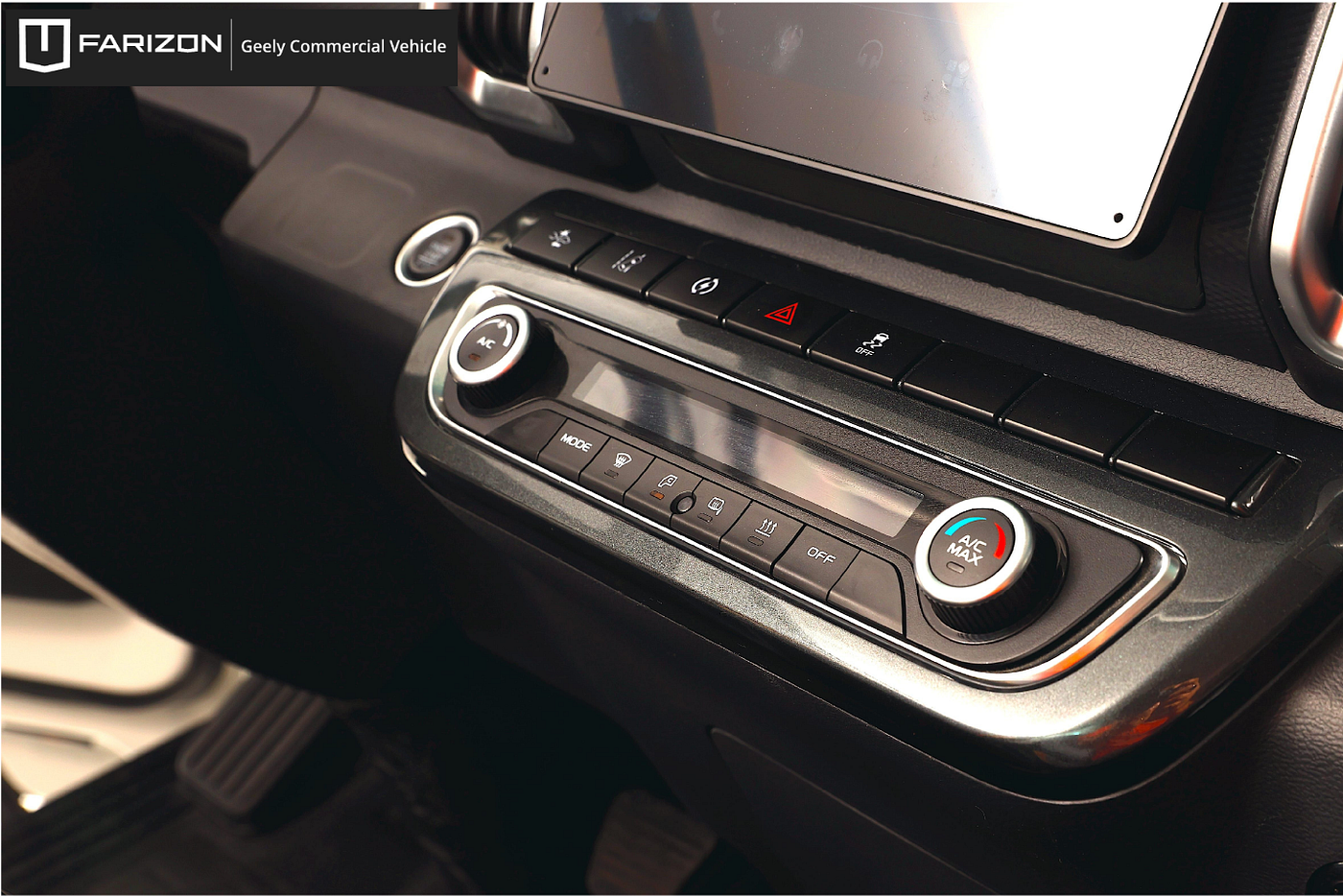
Choosing between an electric van and a traditional fuel powered van is no longer just about preference. It is about long term savings, performance, and sustainability. Many businesses exploring the electric commercial vehicle benefits are realizing that electric models offer more than just lower emissions.
If you are trying to decide which option suits your operations best, this side by side comparison will help you understand the real differences in a simple and practical way.
Performance and Driving Experience
The first thing drivers usually notice is how different electric vans feel on the road.
Electric vans deliver instant torque, smooth acceleration, and quiet operation. There is no engine vibration and no loud mechanical noise. This creates a calmer driving experience, especially in busy city traffic.
Traditional vans rely on internal combustion engines. They produce more noise and depend on multiple moving components to generate power. While they offer reliable performance, the driving experience often feels heavier and less refined compared to electric alternatives.
For urban routes with frequent stops, electric vans tend to feel more responsive and easier to handle.
Fuel Costs vs Energy Costs
Fuel prices can fluctuate and directly impact business expenses.
Electric vans run on battery power, which often provides more predictable energy costs. Charging at your depot or workplace can reduce dependency on public fuel stations and price swings.
Traditional vans depend entirely on petrol or diesel. When fuel costs rise, operating expenses increase immediately. Over time, this can significantly affect your budget.
For businesses operating multiple vehicles daily, even small savings per trip can result in noticeable long term financial benefits.
Maintenance and Reliability
Maintenance is another major factor when comparing both options.
Electric vans generally have fewer mechanical parts. There is no engine oil, no exhaust system, and fewer components that require regular servicing. This can mean fewer workshop visits and reduced downtime.
Traditional vans need regular oil changes, engine inspections, and more frequent mechanical servicing. While they are dependable, the ongoing maintenance costs tend to be higher over the years.
Less mechanical complexity often translates into smoother operations for electric vehicles.
Environmental Impact
Sustainability has become an important consideration for many businesses.
Electric vans produce zero tailpipe emissions, helping reduce air pollution in cities. This makes them especially attractive in areas with strict environmental regulations.
Traditional vans emit carbon dioxide and other pollutants due to fuel combustion. As awareness around climate impact grows, businesses are under increasing pressure to adopt cleaner solutions.
Switching to electric can strengthen your brand image and align your company with modern environmental values.
Driving Range and Refueling
Range is often one of the biggest concerns when considering electric vehicles.
Traditional vans typically offer long driving ranges and quick refueling. A few minutes at a fuel station gets you back on the road.
Electric vans require charging, which can take longer depending on the setup. However, modern models offer ranges that comfortably cover most daily commercial routes. With proper planning and overnight charging, many businesses find electric vans fully meet their operational needs.
The key is understanding your average daily distance before making a decision.
Comfort and Technology
Electric vans often come equipped with modern digital displays and smart systems.
Drivers benefit from smooth acceleration, quieter cabins, and advanced control features. The reduced noise level can make long hours on the road less tiring.
Traditional vans may still offer solid reliability, but they often lack the advanced energy management systems found in electric models.
A comfortable driver usually performs better, and that can directly impact delivery efficiency.
Long Term Value and Efficiency
When comparing both options, it is important to look beyond the initial purchase price.
Electric vans may require a higher upfront investment, but the savings on fuel and maintenance can balance those costs over time. Businesses focused on **electric van efficiency** often discover that consistent energy use and lower servicing needs improve overall profitability.
Traditional vans may appear more affordable at first glance, but long term operating costs can accumulate significantly.
The right choice depends on your routes, budget, and business goals.
Curious which option truly fits your fleet strategy and long term vision?
FAQs
Are electric vans suitable for heavy duty commercial use?
Yes, many modern electric vans are designed specifically for commercial purposes. They offer strong torque and reliable performance for daily operations.
Do electric vans really save money over time?
In many cases, yes. Lower energy and maintenance costs can result in meaningful savings, especially for businesses with frequent daily usage.
Is charging difficult for businesses?
Not necessarily. Many companies install charging units at their offices or warehouses, making daily charging simple and manageable.
메타데이터
- post_id
- ddeee7d25ff0
- slug
- how-do-electric-vans-compare-to-traditional-vans-ddeee7d25ff0
- url
- https://medium.com/@autofarizon/how-do-electric-vans-compare-to-traditional-vans-ddeee7d25ff0
- canonical_url
- https://medium.com/@autofarizon/how-do-electric-vans-compare-to-traditional-vans-ddeee7d25ff0
- author_url
- https://medium.com/@autofarizon
- status
- ok
- fetched_at
- 2026-07-08 20:12:56



