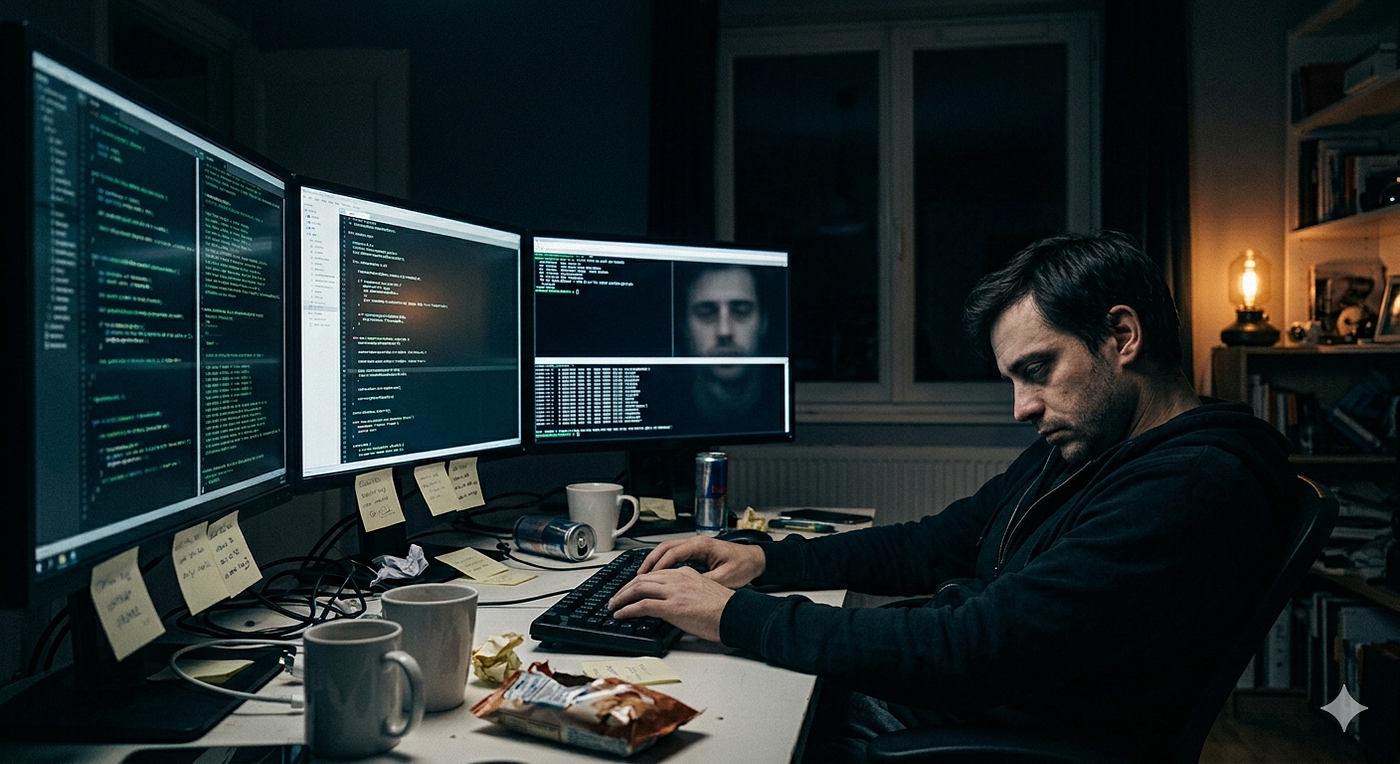
You Say You’re Secure… But You Still Use Public Wi-Fi
Let’s start with a hard truth, my friends:
You Say You’re Secure… But You Still Use Public Wi-Fi
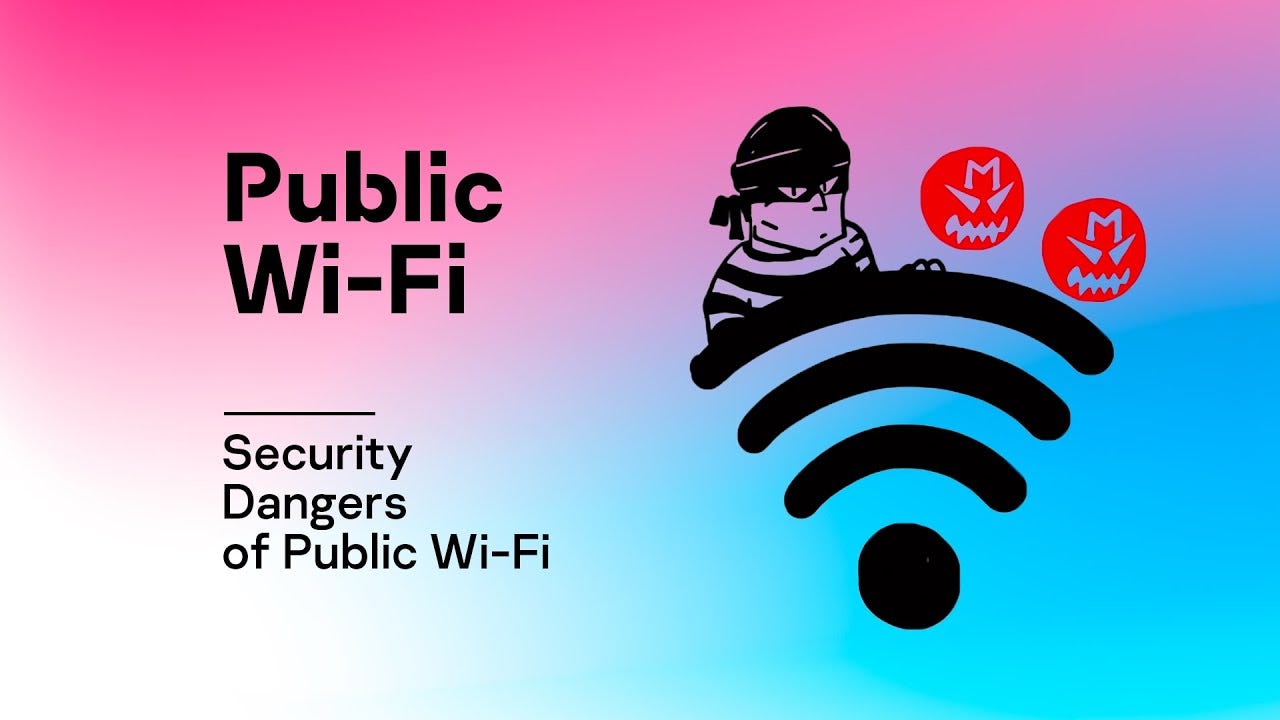
Let’s start with a hard truth, my friends:
Saying you’re “cyber secure” while using public Wi-Fi is like saying you’re on a diet… while licking frosting off a donut.
We’ve all been there. You’re sitting in a café that smells like burnt espresso and regret, trying to send one last work email before your meeting. The Starbucks Wi-Fi is right there, glowing like a beacon of free internet and poor life decisions. And what do you do?
You connect. No VPN. No firewall. No shame.
Welcome to the club of the “cybersecure-but-not-really.” Pull up a chair, because this blog is for you.
The Lie We Tell Ourselves
Let me guess how it goes:
“It’s just for a second.”
“I won’t open anything sensitive.”
“I’m only checking memes.”
Lies. All lies.
You say you’re secure. You’ve even got a cool password manager, and you finally changed your Instagram password from “password123.” But then you do the digital equivalent of skinny-dipping in a shark tank — you use public Wi-Fi.
This is the cybersecurity version of yelling, “I TRUST STRANGERS!” and leaving your door wide open with a neon sign that says, “Please come in, steal my identity, and ruin my credit score.”
Let’s Talk About What Public Wi-Fi Actually Is
Public Wi-Fi is a digital dumpster fire disguised as convenience. Sure, it’s free. So are head colds and unsolicited advice from relatives. Doesn’t mean you should take them.
Here’s how public Wi-Fi usually works:
- You connect to a free, open network.
- It has no password or one that’s printed on a chalkboard near the register.
- Anyone else — including cybercriminals, creepy lurkers, and your ex — can connect to it too.
- Boom. Now you’re all digitally holding hands. Isn’t that cute?
But wait — it gets worse!
A hacker with a $20 USB adapter and a bad attitude can intercept your traffic, perform a man-in-the-middle attack, or even clone the Wi-Fi network itself (ever seen “Free Starbucks_WiFi1234” and thought, “Huh, must be the right one”? You just connected to a hacker’s hotspot, congrats!).
Let’s Get Into the Nitty-Gritty of What Could Go Wrong
1. Packet Sniffing
This isn’t as adorable as it sounds. “Packet sniffers” are tools used by attackers to capture the data packets you send and receive. Your login credentials, messages, emails, Tinder swipes — all up for grabs.
Imagine someone reading your love letters mid-transmission. Except it’s not romantic. It’s illegal and weird.
2. Rogue Hotspots
Hackers can set up fake Wi-Fi networks with names like “Cafe_FreeWiFi” or “Airport_Guest.” You connect, thinking you’re safe.
Plot twist: you’re not.
The hacker is now monitoring every digital move you make like a stalker with binoculars and zero chill.
3. Session Hijacking
Ever stayed logged into your Gmail or bank account? Hackers can hijack that session and take over like an evil roommate who steals your snacks, your couch, and your online identity.
4. Malware Distribution
Yep, they can inject malware into your device. One connection and suddenly you’ve downloaded a virus so nasty, even your antivirus software lights a candle and prays.
But I Have Antivirus, So I’m Fine… Right?
That’s cute.
Antivirus is your last line of defense, not your superhero. Think of it like putting a Band-Aid on a bullet wound. Sure, it’s trying. But that doesn’t make you invincible.
Using public Wi-Fi without protection is like riding a motorcycle blindfolded because you once saw someone do it on TikTok and thought, “What’s the worst that could happen?”
How Hackers See Public Wi-Fi Users
Let’s take a peek into the mind of a hacker at your local café:
“Ah yes, another guy opening his Chase bank app on Starbucks_WiFi. Let me just help myself to his credentials. Oh look, he’s checking work emails too. A corporate breach? Don’t mind if I do. Thanks for your service, Chad.”
The hacker doesn’t care how smart you are. You could have a degree in rocket science and still get duped if you’re treating open networks like your personal playground.
The Psychology Behind Our Bad Wi-Fi Decisions
Why do we do it? Why do otherwise smart people connect to public Wi-Fi like it’s the last cup of coffee on Earth?
Because humans are creatures of habit, laziness, and data hunger.
- You want to save mobile data.
- You just need to “quickly check” something.
- You’re not thinking of consequences — you’re thinking of cat videos and email replies.
It’s impulsive. It’s irrational. It’s human.
But that doesn’t make it okay.
The Awkward Truth: You Might Already Be Compromised
Did you use public Wi-Fi yesterday without protection? Last week? On your vacation?
Then you might as well title your autobiography: “Oops, My Data is Probably Already on the Dark Web.”
So, What Should You Actually Be Doing Instead?
Good question. It’s 2025. You’ve got options that don’t include inviting cybercriminals into your life like they’re your weird uncle Larry who drinks too much and installs toolbar extensions on your browser.
✅ 1. Use a VPN
A VPN (Virtual Private Network) encrypts your internet traffic. It’s like putting your data in a secret envelope that no one else can read. Get a good one. No, not the free VPN that’s secretly selling your data. Pay a few bucks. It’s cheaper than identity theft.
✅ 2. Turn Off Auto-Connect
Your phone automatically connecting to “Free_WiFi_PleaseHackMe” is not cute. Turn off auto-connect in your settings before your phone starts dating a hacker behind your back.
✅ 3. Use Your Mobile Data Instead
Tether to your mobile data. If you’ve got a decent plan, this is hands-down safer than public Wi-Fi. Unless your carrier is “SketchTel,” you’re probably fine.
✅ 4. Enable Two-Factor Authentication
If someone does steal your password, they’ll still need that second code. It’s the digital equivalent of having a guard dog that bites.
✅ 5. Avoid Accessing Sensitive Information
Please. For the love of memes and all that is sacred, don’t check your bank account or log into work emails on public Wi-Fi. That’s not secure. That’s cyber-suicidal.
So What Can We Learn From This?
Let’s recap:
- Public Wi-Fi is a dangerous swamp full of digital crocodiles.
- Hackers are lurking like mall Santas in July — creepy and unexpected.
- Just because it’s free doesn’t mean it’s safe.
- Saying you’re “cyber secure” while using public Wi-Fi is like saying you’re a vegan while eating bacon on your cheat day.
You’re better than this. You’re smarter than this. You have the power to stop being that guy in the café who just got hacked because he wanted to check Instagram.
One Final Analogy Because You Deserve It
Using public Wi-Fi without protection is like borrowing someone’s toothbrush. You don’t know where it’s been, who used it last, or what kinds of invisible horrors are on it. You just don’t do that.
So next time you reach for that tempting “FREE AIRPORT Wi-Fi” network…
Pause. Think. Be better.
Your passwords, bank accounts, and future self will thank you.
Final Words (For Real This Time)
If you’ve made it this far, you deserve a cookie — and maybe a VPN subscription.
Tell your friends. Tell your coworkers. Tell that one guy who still uses “123456” as his password. Public Wi-Fi is not your friend. It’s a frenemy wearing a nice suit, waiting to ruin your digital life with a smile.
Stay safe. Stay smart. And for the love of data privacy…
Get off that damn coffee shop Wi-Fi.
Promote and Collaborate on Cybersecurity Insights
We are excited to offer promotional opportunities and guest post collaborations on our blog and website, focusing on all aspects of cybersecurity. Whether you’re an expert with valuable insights to share or a business looking to reach a wider audience, our platform provides the perfect space to showcase your knowledge and services. Let’s work together to enhance our community’s understanding of cybersecurity!
About the Author:
Vijay Gupta is a cybersecurity enthusiast with several years of experience in cyber security, cyber crime forensics investigation, and security awareness training in schools and colleges. With a passion for safeguarding digital environments and educating others about cybersecurity best practices, Vijay has dedicated his career to promoting cyber safety and resilience. Stay connected with Vijay Gupta on various social media platforms and professional networks to access valuable insights and stay updated on the latest cybersecurity trends.
메타데이터
- post_id
- ddf7facf2968
- slug
- you-say-youre-secure-but-you-still-use-public-wi-fi-ddf7facf2968
- url
- https://medium.com/@bevijaygupta/you-say-youre-secure-but-you-still-use-public-wi-fi-ddf7facf2968
- canonical_url
- https://medium.com/@bevijaygupta/you-say-youre-secure-but-you-still-use-public-wi-fi-ddf7facf2968
- author_url
- https://medium.com/@bevijaygupta
- status
- ok
- fetched_at
- 2026-07-20 21:03:38