How to Choose the Right Paper for Book Printing
How to Choose the Right Paper for Book Printing
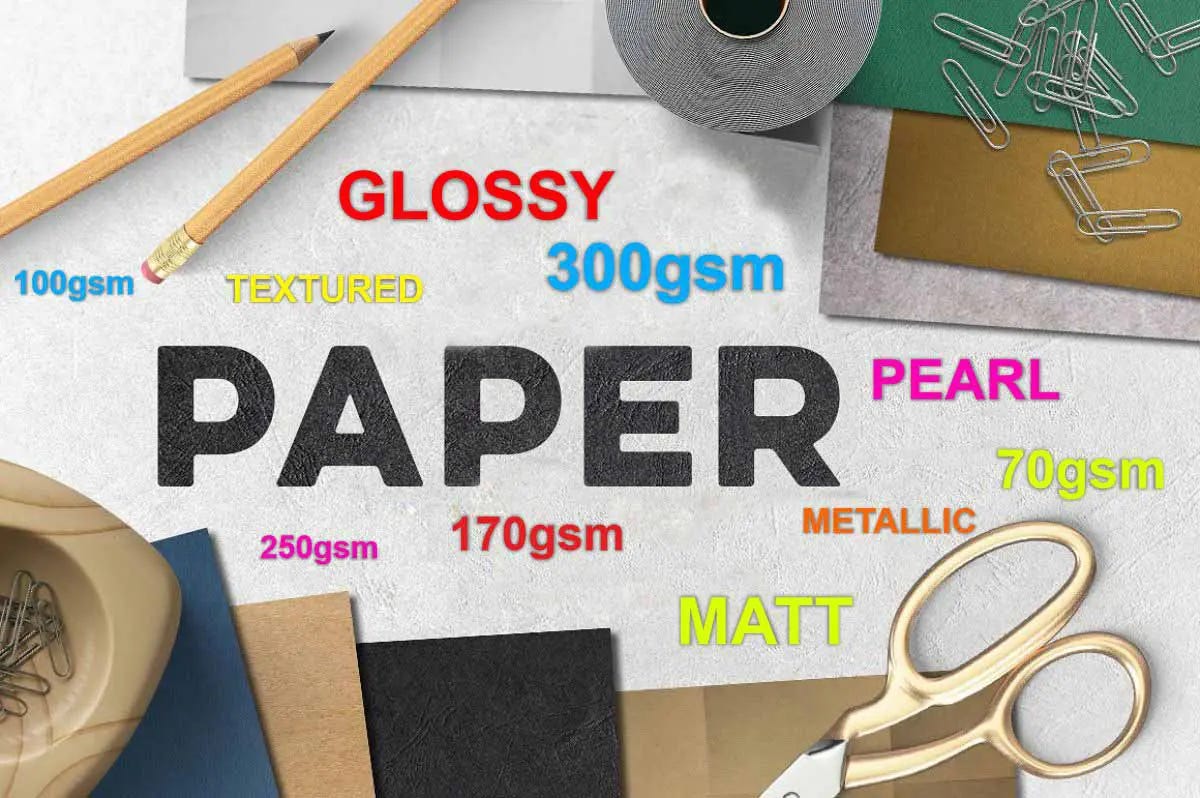
Printing a book is not only about writing great content or designing an attractive cover. One of the most important decisions in the entire process is choosing the right paper. The type of paper used in a book affects how it looks, how it feels in the reader’s hands, how durable it is, and even how much it costs to print.
Many first-time authors and publishers focus heavily on the writing and design but overlook the importance of paper quality. However, readers notice paper more than most people think. A book with the right paper feels comfortable to hold, easy to read, and professional. On the other hand, poor paper selection can make even a well-written book feel cheap or difficult to enjoy.
The good news is that choosing the right paper is not as complicated as it may seem. Once you understand a few basic factors such as paper weight, texture, color, and finish, the process becomes much easier.
In this article, we will explore everything you need to know about selecting the right paper for book printing in simple and practical language.
Why Paper Choice Matters in Book Printing
Paper is more than just the material your words are printed on. It plays a major role in the overall reading experience. The right paper improves readability, enhances images, increases durability, and creates a better impression on readers.
Imagine reading a novel printed on glossy magazine paper. The reflections from the light would make reading uncomfortable. Similarly, a photography book printed on thin newspaper-like paper would fail to showcase the images properly.
Different books require different types of paper. A children’s picture book needs thick and colorful pages, while a novel usually works best with lighter matte paper. Educational books, journals, cookbooks, and art books all have their own printing needs.
Choosing the correct paper also helps control printing costs. High-quality paper may look attractive, but if it is unnecessarily expensive for your type of book, it can increase your budget without adding much value.
That is why understanding paper selection is essential for authors, self-publishers, and printing businesses.
Understanding the Basic Types of Paper
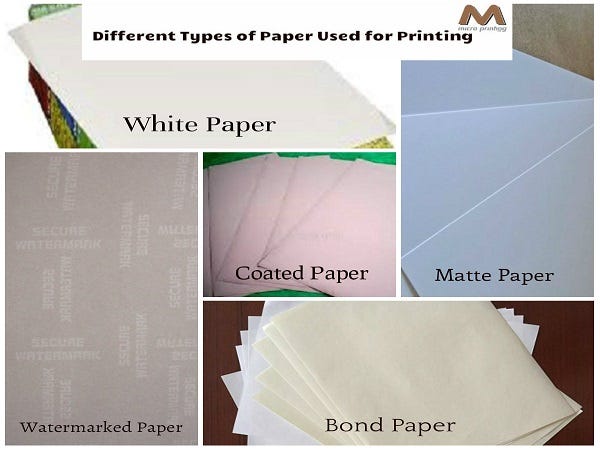
Before selecting paper for your book, it is important to understand the common types available in the printing industry.
1.Uncoated Paper
Uncoated paper has a natural texture and does not have a shiny surface. It is one of the most commonly used papers for novels, textbooks, journals, and notebooks.
This paper is easy to read because it reduces glare from light. It also gives books a softer and more traditional feel. Readers usually prefer uncoated paper for long reading sessions.
Most fiction books are printed on uncoated paper because it feels comfortable and gives a professional appearance.
2.Coated Paper
Coated paper has a smooth surface with a layer applied to improve print quality. It is commonly used for magazines, art books, catalogs, and photography books.
There are two main types of coated paper:
- Gloss coated paper
- Matte coated paper
Gloss paper makes colors appear brighter and sharper. Matte coated paper gives a softer finish with less reflection.
Books with many images usually use coated paper because it improves photo quality.
3.Recycled Paper
Recycled paper is becoming increasingly popular because of environmental awareness. It is made using reused paper materials and helps reduce waste.
Many readers appreciate environmentally friendly printing practices. Recycled paper is now available in good quality and can work well for many book types.
Publishers who want to promote sustainability often choose recycled paper for their books.
Choosing the Right Paper Weight
Paper weight is another important factor in book printing. It affects the thickness, durability, and overall feel of the book.
Paper weight is usually measured in GSM, which stands for grams per square meter.
1.Lightweight Paper
Lightweight paper is commonly used for novels and books with many pages. It keeps the book from becoming too heavy.
Most novels use paper between 70 GSM and 90 GSM.
This type of paper is affordable and practical for books focused mainly on text.
2.Medium Weight Paper
Medium weight paper offers a balance between durability and comfort. It is often used for educational books, business books, and workbooks.
Paper in the range of 100 GSM to 130 GSM provides a more premium feel without making the book overly thick.
3.Heavyweight Paper
Heavy paper is ideal for books with high-quality images, illustrations, or colorful designs.
Children’s books, coffee table books, and photography books often use paper above 150 GSM.
Thicker paper prevents ink from showing through the page and gives the book a luxurious appearance.
However, heavier paper also increases printing and shipping costs.
The Importance of Paper Brightness and Color
Paper color affects readability more than people realize.
1.White Paper
Bright white paper creates strong contrast with black text. It is commonly used in textbooks, technical manuals, and books with images.
White paper gives a clean and modern appearance.
However, very bright paper can sometimes strain the eyes during long reading sessions.
2.Cream or Off-White Paper
Cream-colored paper is widely used in novels and literature books.
It provides a softer reading experience and reduces eye fatigue. Many readers find cream paper more comfortable for extended reading.
That is why many bestselling fiction books use slightly off-white pages.
3.Colored Paper
Some special editions or artistic books may use colored paper for design purposes.
However, colored paper should be used carefully because it can affect readability.

Matte vs Gloss Finish
The finish of the paper changes how the book looks and feels.
Matte Finish
Matte paper has a smooth but non-shiny surface.
It is easy to read under different lighting conditions because it reduces reflections. Matte paper also gives books a sophisticated and elegant appearance.
Most novels and educational books use matte or uncoated finishes.
Gloss Finish
Gloss paper reflects light and enhances color brightness.
It is commonly used for photography books, fashion magazines, and image-heavy publications.
While gloss paper makes images stand out, it may not be ideal for books with large amounts of text because glare can make reading difficult.
Matching Paper with Book Type
One of the best ways to choose paper is to think about the purpose of the book.
Novels and Fiction Books
For novels, readability and comfort are the top priorities.
Cream-colored uncoated paper between 70 GSM and 90 GSM is usually the best choice.
It keeps the book lightweight and comfortable for readers.
Children’s Books
Children’s books require durable paper because young readers may handle them roughly.
Thicker coated paper works well because it supports colorful illustrations and resists damage.
Gloss or matte coated paper between 150 GSM and 200 GSM is often used.
Photography and Art Books
Image quality is extremely important for photography books.
High-quality coated paper with a gloss or matte finish helps images appear sharp and vibrant.
Heavy paper also gives these books a premium feel.
Cookbooks
Cookbooks benefit from coated paper because it is easier to clean and more resistant to stains.
Matte coated paper is often preferred because it balances image quality with readability.
Educational and Academic Books
Textbooks need durable paper that can handle frequent use.
Medium-weight uncoated or matte paper is usually a practical choice.
The paper should support clear text and diagrams while remaining cost-effective.
Photo by whereslugo on Unsplash
Considering Book Binding and Paper Compatibility
Paper selection should also match the type of binding used for the book.
Different papers behave differently during the binding process.
For example, very thick paper may not work well with certain bindings because it can make the spine bulky.
Perfect binding, saddle stitching, hardcover binding, and spiral binding all have different paper requirements.
Printers usually provide guidance on which paper works best with each binding style.
Discussing paper options with your printing company before finalizing the design can help avoid production issues.
Budget and Printing Costs
Paper is one of the biggest expenses in book printing.
Higher-quality paper increases production costs, but cheaper paper may reduce the overall appeal of the book.
The goal is to find the right balance between quality and affordability.
If you are printing a large number of books, even a small change in paper type can significantly affect the total cost.
For example, upgrading from standard uncoated paper to premium coated paper may look attractive, but it could greatly increase the budget.
That is why it is important to think about your target audience and the purpose of the book.
A luxury art book may justify premium paper, while a simple paperback novel may not need expensive materials.
Environmental Considerations
Many publishers and readers now care about environmentally responsible printing.
Choosing eco-friendly paper can improve your brand image and reduce environmental impact.
Look for paper certified by organizations that promote responsible forestry and sustainable production.
Recycled paper and sustainably sourced paper are both good options.
Modern eco-friendly papers are available in excellent quality, so sustainability no longer means compromising on appearance.
Requesting Paper Samples Before Printing
One of the smartest things you can do before printing a book is to request paper samples.
Looking at paper online is not enough because photos cannot accurately show texture, thickness, or color.
Physical samples help you compare different options and understand how your book will feel in real life.
Many professional printing companies offer sample kits that include different paper types and finishes.
Testing samples with your actual book design can help you make a more confident decision.
Common Mistakes to Avoid
Many people make simple mistakes when choosing paper for book printing.
- Ignoring Reader Comfort
Some publishers focus only on appearance and forget about readability.
Photo by NMG Network on Unsplash
Extremely glossy or bright paper may look impressive at first but become uncomfortable during long reading sessions.
- Choosing Paper Only Based on Price
The cheapest is not always the best. Low-quality paper can damage the professional image of the book and disappoint readers.
- Using Heavy Paper Unnecessarily
Very thick paper increases shipping costs and may make the book difficult to handle.
Unless your book requires premium image quality, moderate paper weight is often a better option.
- Not Consulting the Printer
Professional printers understand how different papers perform during printing and binding.
Ignoring their advice can lead to unexpected issues such as ink bleeding, poor color quality, or binding problems.
Tips for First-Time Self-Publishers
If this is your first time printing a book, keep things simple.
Start by identifying the main purpose of your book. Think about whether the focus is on text, images, durability, or presentation.
Research books similar to yours and notice the type of paper they use.
You can also visit bookstores and physically examine books in your category. Feel the paper, notice the thickness, and observe how the pages react under light.
Do not rush the decision.
Taking time to compare options can improve the final quality of your book significantly.
Role of PaperCraft publishers
At Paper Craft Publishers,the support for authors extends beyond the printing process. In addition to providing a platform for authors to bring their manuscripts to life, they also offer assistance in selling their books through online store, located at www.papercraftpublishers.com. Through the user-friendly online platform, authors can showcase their works to a global audience, reaching readers far and wide.
Final Thoughts
Choosing the right paper for book printing is an important part of creating a successful book. The paper affects not only the appearance of the book but also the reading experience, durability, printing cost, and overall impression.
There is no single paper type that works for every project. The best choice depends on the kind of book you are printing, your audience, your budget, and the experience you want readers to have.
For text-heavy books like novels, lightweight uncoated paper usually works best. For colorful books with photographs or illustrations, coated paper with a higher GSM may be the better option.
By understanding factors such as paper type, weight, color, finish, and environmental impact, you can make a smart and confident decision.
A good book deserves good paper. When the right paper is selected, it enhances the value of the content and leaves a lasting impression on readers.
Whether you are an author, publisher, or business owner, investing time in choosing the right paper can make a major difference in the final product.
CONTACT PAPER CRAFT PUBLISHERS LAHORE OFFICE 3rd Floor 140cc DHA Phase 5 Lahore ISLAMABAD OFFICE Plot 11, Main Markaz, Office No 1, First Floor, Quraish Plaza, Pakistan Town Phase 1 Islamabad CONTACT NUMBER 03104272465 WEBSITE www.papercraftpublishers.com
메타데이터
- post_id
- de477fb35d55
- slug
- how-to-choose-the-right-paper-for-book-printing-de477fb35d55
- url
- https://medium.com/@sairafarooq/how-to-choose-the-right-paper-for-book-printing-de477fb35d55
- canonical_url
- https://medium.com/@sairafarooq/how-to-choose-the-right-paper-for-book-printing-de477fb35d55
- author_url
- https://medium.com/@sairafarooq
- status
- ok
- fetched_at
- 2026-06-09 14:34:10


