From Takeout to Togetherness: Reclaiming Family Dinners
Family dinners used to be a daily ritual — a moment where everyone paused, shared stories, and reconnected. Today, with endless work…
From Takeout to Togetherness: Reclaiming Family Dinners
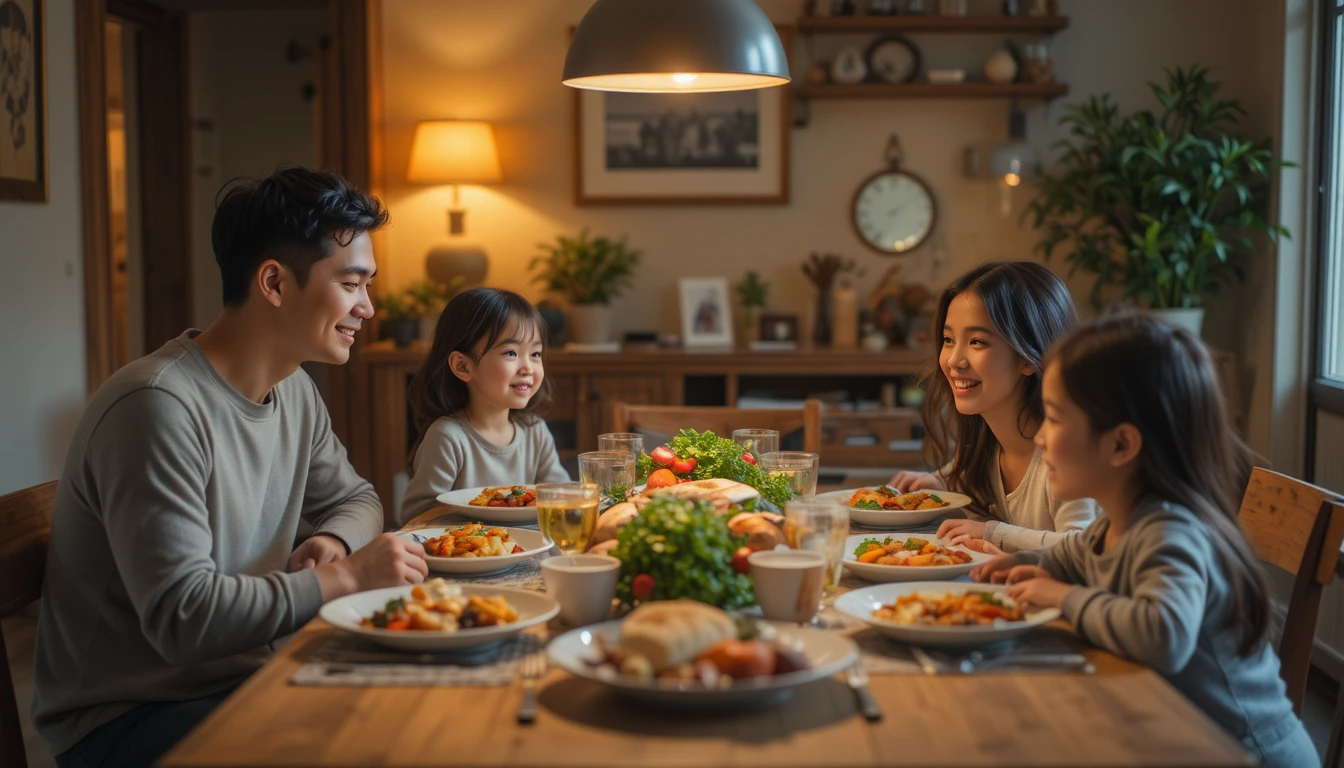
Family dinners used to be a daily ritual — a moment where everyone paused, shared stories, and reconnected. Today, with endless work demands, school pressures, and the convenience of food delivery apps, the dining table has slowly turned into a decorative piece of furniture. Families are eating in different rooms, at different times, and often with different priorities.
But something powerful happens when people sit together and share a meal. Research shows that children who regularly eat dinner with their families perform better in school, develop stronger emotional resilience, and form better lifelong habits. Adults, too, experience lower stress levels and deeper family bonds.
This article explores why family dinners matter, how modern life pulled us away from them, and — most importantly — how you can reclaim this tradition in a realistic, pressure-free way. And while cooking together plays a huge role, you’ll also find small, practical tips to make meal prep easier. (For example, when chopping vegetables or preparing meat, using a sturdy kitchen tool like a **professional butcher’s cleaver** — this one on Amazon can reduce prep time significantly.)
Let’s dive in.

Why Family Dinners Disappeared
It’s not hard to see why family dinners faded. Modern life is overwhelmingly fast-paced:
- Parents work longer or irregular hours
- Kids have packed after-school schedules
- Everyone is glued to personal screens
- Delivery apps offer a painless alternative to cooking
- Multi-tasking replaces mindful eating
Instead of sitting at a table, families eat in cars, on couches, at desks, or “whenever there’s time.”
But while convenience feels good in the moment, it slowly chips away at something deeper — shared human connection. Meals used to be anchors in the day. Now, many families don’t have anchors at all.
Reclaiming family dinners isn’t about perfection. It’s about intention.
Why Eating Together Still Matters
You’ve probably heard that family dinners are good — but how good? Studies over two decades show that eating together:
- Improves communication between parents and children
- Decreases the likelihood of depression or risky behavior
- Helps adults decompress and feel supported
- Strengthens a sense of identity and belonging in the household
- Encourages healthier eating habits
- Saves money compared to takeout
Even more powerfully, eating together creates emotional “touchpoints” — predictable moments where everyone is seen and heard.
Think about the best memories from your childhood. Chances are, many took place around a table.
The Real Blockers (and Why You’re Not Alone)
People often say things like:
- “We don’t have time.”
- “My kids won’t sit still.”
- “Everyone eats something different.”
- “I’m exhausted after work.”
- “Cooking is too complicated.”
These are real challenges — and they happen in almost every home. The key is not to force a perfect Instagram-style dinner. Instead, you create a version of family dinner that fits your life.
Here’s how.

Step 1: Redefine What ‘Family Dinner’ Means
A family dinner doesn’t require:
- A full-course meal
- Perfect table settings
- Everyone loves the food
- A spotless kitchen
A family dinner simply means everyone eats at the same time, at the same place, with minimal distractions.
Even 15 minutes counts.
Some families even do a family breakfast instead of dinner, depending on schedules.
The goal isn’t the meal — it’s the togetherness.
Step 2: Establish a Team-Mindset in the Kitchen
When one person handles all the cooking, it feels like work. When everyone helps — even a little — it feels like an event.
Small tasks kids can help with:
- Washing veggies
- Mixing ingredients
- Setting napkins
- Bringing plates to the table
Tasks adults can share:
- One cooks, the other preps
- One chops, the other cleans
- One plans, the other shops
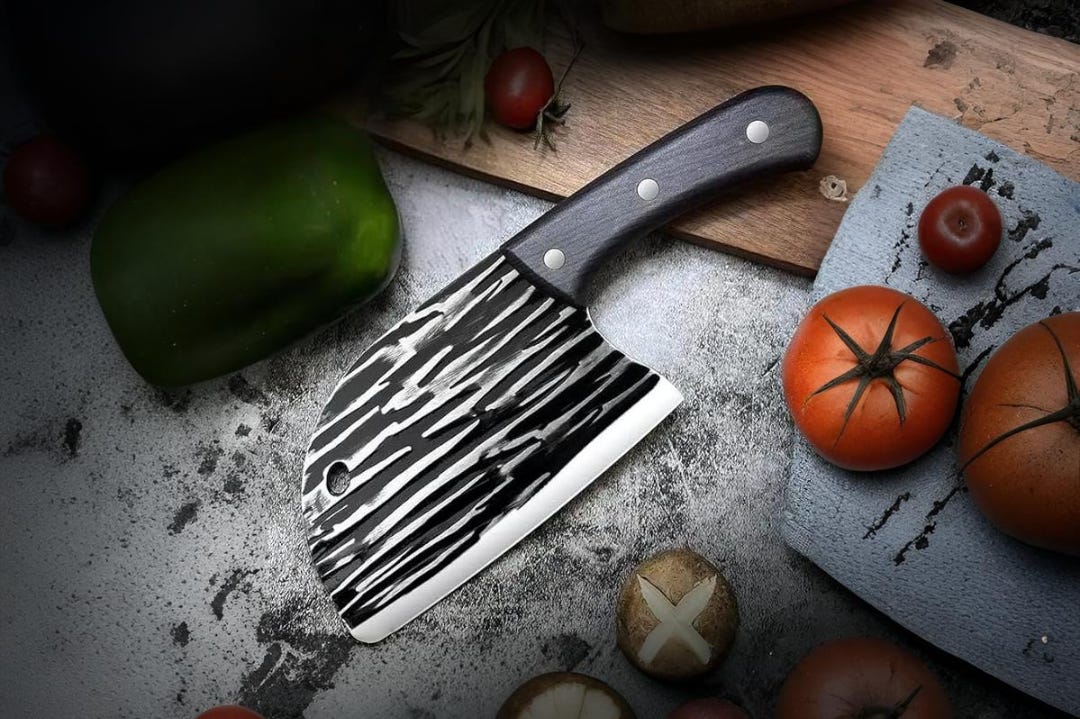
When chopping meat or harder vegetables (like squash, pumpkin, or cabbage), using a strong tool can reduce time and frustration. Many families prefer a durable, sharp cleaver for heavy prep work — such as this **professional Damascus-style cleaver**
Shared cooking supports bonding even before the meal begins.
Step 3: Plan Simple, Stress-Free Meals
You don’t need gourmet dishes to bring people together. Simple meals often create the best memories.
Here are some low-effort ideas:
- One-pot pasta
- Rice bowls
- Soup + bread
- Stir-fry with vegetables + protein
- Chicken and roasted veggies
- Omelets + salad
- Tacos with a few toppings
And remember: Leftovers are your best friend.
Batch prepping on weekends can also help. For instance, prepping meat pieces or chopping vegetables ahead of time can save you 30–40 minutes on a weekday. (If you do bulk chopping, having a sturdy cleaver — like this one: **Cleaver Knife**— makes it much easier.)
Small steps, big payoff.

Step 4: Introduce ‘No-Phone Zone’ Time
Even when families sit together, phones can destroy the moment.
Try these rules:
- Phones off the table
- No TV
- No scrolling between bites
If you need motivation: Kids who eat with their parents without screens develop:
- Better conversational skills
- Higher confidence
- Better emotional regulation
Adults, too, benefit from this rare digital detox.
Step 5: Make Dinner Conversations Fun
If you want your family to enjoy sitting together, the conversation matters.
Try these simple prompts:
- “What made you smile today?”
- “What was something surprising that happened?”
- “What’s one thing you’re looking forward to tomorrow?”
- “What’s something new you learned recently?”
Games can help too:
- Two truths and a lie
- Guess the ingredient
- Rose–thorn–bud (good thing, bad thing, anticipation)
The goal is to make dinner feel like a break — not a lecture.

Step 6: Celebrate Small Wins
Some families think that if they miss a night, they’ve failed. Not true.
Start with:
- 1 family dinner a week
- Then 2
- Then 3
Don’t chase perfection. Chase connection.
Every meal shared counts.
The Emotional Impact of Coming Back to the Table
When families begin eating together again, something changes:
- Kids talk more
- Parents feel closer
- Arguments decrease
- Everyone feels more grounded
- Home starts to feel warm and connected again
A simple meal can soften even the hardest day.
It’s not magic. Its presence.
The Bigger Picture: Rebuilding Rituals
Family dinners aren’t really about food. They’re about rebuilding rituals — tiny moments that give life rhythm.
Rituals tell us:
- “You belong here.”
- “You matter.”
- “We’re in this together.”
In a world where everyone is busy, these rituals keep families from drifting apart.
And all it takes is sitting down together.

Final Thoughts
Reclaiming family dinners doesn’t require money, fancy meals, or hours in the kitchen.
What it requires is a decision: We’re going to reconnect.
Even if you choose simple dishes… Even if the table is messy… Even if someone complains about the veggies… Even if dinner lasts only 15 minutes…
Those 15 minutes can change your family’s emotional world.
Your home deserves that moment of togetherness.
FAQs
1. What if my family schedule is too chaotic for dinner?
Try breakfast, weekend brunch, or even a nightly snack ritual. The time of day is less important than the consistency.
2. My kids are picky eaters — how do I handle that?
Offer variety and small portions. Encourage them to try “one bite,” but avoid pressure. Make conversation the focus of the meal.
3. What if I’m not a good cook?
Keep meals simple. One-pot dishes, quick pastas, soups, and rice bowls are easy and family-friendly. You don’t need culinary skills to create a connection.
4. How do I cut down meal prep time?
Plan meals, prep ingredients in batches, and share cooking responsibilities. Using efficient kitchen tools for chopping can also save time.
5. How can I keep everyone engaged at the dinner table?
Use conversation prompts, small table games, or storytelling. Keep electronics away to maximize interaction.
메타데이터
- post_id
- dea88a96b8b3
- slug
- from-takeout-to-togetherness-reclaiming-family-dinners-dea88a96b8b3
- url
- https://medium.com/@Knifecraft/from-takeout-to-togetherness-reclaiming-family-dinners-dea88a96b8b3
- canonical_url
- https://medium.com/@Knifecraft/from-takeout-to-togetherness-reclaiming-family-dinners-dea88a96b8b3
- author_url
- https://medium.com/@Knifecraft
- status
- ok
- fetched_at
- 2026-08-10 05:06:00