Cities are not backdrops. They are living systems.
Are we hopeless?
Cities are not backdrops. They are living systems.
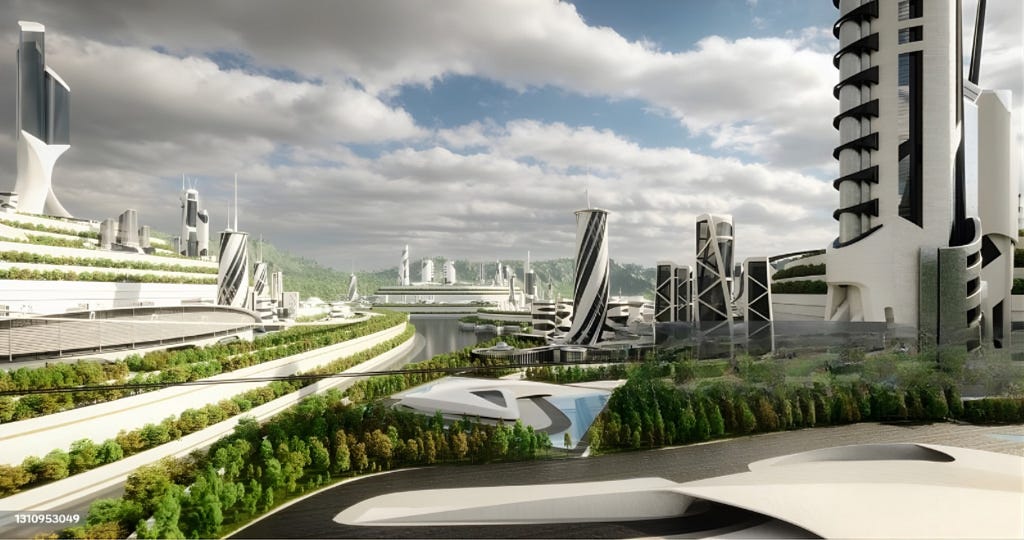
Walking through Vienna’s inner districts, I keep asking myself: who decided there should be so little green between asphalt and stone? And more importantly who can change it?
Sustainable urban development is not a niche topic for architects and city planners. It is one of the most pressing societal questions of our time. Because the way we build cities determines how we live, how we encounter one another, and whether future generations will inherit the same possibilities we have.
First encounters
During my internship at GrünStattGrau, a research and innovation company focused on sustainable real estate and urban planning, I experienced for the first time what it actually means to translate an idea into reality. Building greening sounds technical. But at its core, it is a political decision. Who gets shade? Who benefits from cooler air? Which neighbourhoods become more liveable and which do not?
Those questions have stayed with me ever since.
„Building greening sounds technical. But at its core, it is a political decision.“
What the numbers tell us
By 2050, 75% of the world’s population will live in cities. That means we will build, live, and work at far greater density than today. Alongside social shifts, this brings serious health pressures. Our cities will grow louder. Air quality will worsen. The green spaces we rely on for recovery will shrink.
This is not a distant scenario. It is already happening.
Three things I have come to believe:
Sustainability is not a compromise, it is an investment. Cities that invest today in green spaces, short distances, and clean air will save billions tomorrow in healthcare costs, infrastructure damage, and social tension.
The biggest obstacles are rarely technical. They are organisational. Who carries responsibility? Who holds decision-making power? And ultimately, who benefits?
Young voices are still far too absent from these conversations. Yet ours are the ones that need to be loudest. The construction sites of today are our future cities and homes.
What I hope for in the near future
Not perfect cities but braver decisions. The willingness to weigh short-term costs against long-term impact. And spaces where new ideas are not immediately crushed by old structures.
I am only 18 and have a great deal left to learn. But I am convinced of this: those who start asking the right questions early get closer to the right answers.
메타데이터
- post_id
- dee17118ce23
- slug
- cities-are-not-backdrops-they-are-living-systems-dee17118ce23
- url
- https://medium.com/@amelie_38485/cities-are-not-backdrops-they-are-living-systems-dee17118ce23
- canonical_url
- https://medium.com/@amelie_38485/cities-are-not-backdrops-they-are-living-systems-dee17118ce23
- author_url
- https://medium.com/@amelie_38485
- status
- ok
- fetched_at
- 2026-06-09 15:37:30