Ovulation Predictor Test: When to Take It for the Best Results
Trying to identify the best time to conceive can feel confusing, especially when menstrual cycles vary from month to month. An ovulation…
Ovulation Predictor Test: When to Take It for the Best Results
Trying to identify the best time to conceive can feel confusing, especially when menstrual cycles vary from month to month. An ovulation predictor test can make the process easier by detecting the hormonal changes that normally happen shortly before ovulation.
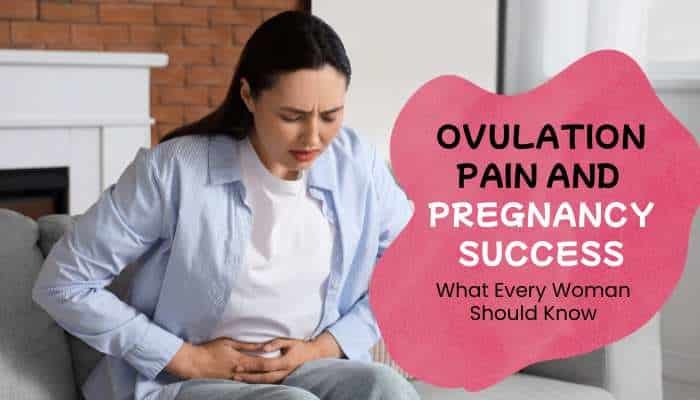
For people tracking Ovulation Pain and Pregnancy Success, these tests can provide more reliable information than physical symptoms alone. Ovulation pain may suggest that an egg is being released, but an ovulation test can help identify the fertile window before ovulation occurs.
What Is an Ovulation Predictor Test?
An ovulation predictor test, also known as an ovulation predictor kit or OPK, is an at-home urine test that measures luteinizing hormone, commonly called LH.
LH is present throughout the menstrual cycle, but its level increases sharply shortly before ovulation. This increase is known as the LH surge.
A positive ovulation test generally means that ovulation may occur within the next 24 to 48 hours. This makes it easier to time intercourse during the days when conception is most likely.
However, an ovulation test predicts ovulation. It does not confirm that an egg has been released, fertilized, or successfully implanted.
When Should You Start Testing?
The best day to start testing depends on the average length of your menstrual cycle. The first day of your period is counted as cycle day one.
For a regular 28-day cycle, many people begin testing around cycle day 10 or 11. Those with shorter cycles may need to start earlier, while people with longer cycles may begin later.
A simple approach is to estimate when your next period will start and count backward approximately 14 days. Since ovulation timing can change, it is better to begin testing several days before the expected ovulation date.
Tracking your menstrual cycles for two or three months can help you identify your usual pattern.
What Is the Best Time of Day to Test?
The ideal testing time may vary depending on the product. Some ovulation kits recommend testing between late morning and early evening because LH may take several hours to appear in urine after entering the bloodstream.
Testing at approximately the same time every day can improve consistency. You should also avoid drinking excessive amounts of water for around two hours before testing because diluted urine can make the LH surge harder to detect.
Always follow the instructions included with your test. Some digital products may have different recommendations from traditional test strips.
How to Read Ovulation Test Results
Traditional ovulation test strips usually display two lines: a control line and a test line.
A positive result generally occurs when the test line is as dark as or darker than the control line. A faint test line is usually considered negative because small amounts of LH are naturally present throughout the menstrual cycle.
Digital tests may display a smiley face, fertility symbol, or written result, making them easier to interpret.
After receiving a positive result, consider trying to conceive that day and during the following one or two days.
How Often Should You Test?
Most people test once per day until the LH surge is detected. However, some individuals have a short LH surge that may be missed with once-daily testing.
If you regularly receive negative results despite having menstrual periods, you may consider testing twice per day during the expected fertile window. For example, you could test once in the late morning and again in the early evening.
Using the test consistently is more important than testing at random times.
Ovulation Pain and Pregnancy Success
The connection between Ovulation Pain and Pregnancy Success is mainly related to timing. Ovulation pain, also called mittelschmerz, may feel like mild cramping, pressure, or a sharp sensation on one side of the lower abdomen.
Some people experience this discomfort around the time an egg is released. However, ovulation pain does not confirm egg quality, fertilization, implantation, or pregnancy.
Many people become pregnant without experiencing ovulation pain, while others notice it regularly without conceiving immediately.
Combining ovulation tests with cervical mucus tracking, menstrual records, and physical symptoms may provide a clearer picture of the fertile window.
Common Testing Mistakes to Avoid
Starting too late is one of the most common mistakes. If testing begins after the LH surge, you may miss the positive result entirely.
Other common mistakes include drinking too much water before testing, checking the result outside the recommended time window, testing inconsistently, and treating a faint line as positive.
People with irregular cycles, polycystic ovary syndrome, or certain hormonal conditions may also receive confusing or repeated positive results. Fertility medications can sometimes affect test accuracy.
When to Speak With a Healthcare Professional
Consider seeking medical advice if you never detect an LH surge, experience highly irregular periods, or receive positive results for many consecutive days.
Severe pelvic pain, fever, vomiting, heavy bleeding, or persistent abdominal pain should not automatically be assumed to be normal ovulation pain.
Professional fertility guidance may also be helpful if pregnancy has not occurred after 12 months of trying for people under age 35, or after six months for those aged 35 or older.
Conclusion
An ovulation predictor test can help identify the most fertile days by detecting the LH surge before ovulation. For the best results, begin testing several days before expected ovulation, test consistently, limit fluid intake beforehand, and follow the product instructions carefully.
Although Ovulation Pain and Pregnancy Success are frequently discussed together, pain is only a possible fertility clue. It cannot confirm ovulation or guarantee conception. Combining ovulation testing with cycle tracking and appropriate medical guidance provides a more reliable approach to pregnancy planning.
메타데이터
- post_id
- dee36232e81e
- slug
- ovulation-predictor-test-when-to-take-it-for-the-best-results-dee36232e81e
- url
- https://medium.com/@hanifatycoonshaik/ovulation-predictor-test-when-to-take-it-for-the-best-results-dee36232e81e
- canonical_url
- https://medium.com/@hanifatycoonshaik/ovulation-predictor-test-when-to-take-it-for-the-best-results-dee36232e81e
- author_url
- https://medium.com/@hanifatycoonshaik
- status
- ok
- fetched_at
- 2026-08-07 22:52:36






