Remembering and Reconnecting with our Humanity
A Path Towards Dignified Local Futures Through Imagination, Word, and Collaboration
Remembering and Reconnecting with our Humanity: A Path Towards Dignified Local Futures Through Imagination, Word, and Collaboration
Introduction: The Liminal Moment and the Loss of Our Essential Tools
We live in a historical sigh. A space between worlds, between stories. The old — its institutions, its certainties, its promises — is crumbling at a staggering speed, while the new has yet to fully take shape. This sensation of vertigo, of shifting ground beneath our feet, is not an illusion. It is the sign of a change of era, a “liminal moment,” that sacred and disconcerting threshold where one structure has been left behind but the next has not yet been entered.
Amidst this transition, we feel sick. They diagnose anxiety, polarization, depression, cynicism, loneliness. We prescribe personal optimization, more productivity, new gadgets. But I believe we are treating the symptoms while ignoring the underlying disease. The true pathology is not individual; it is civilizational. And its clearest manifestation is the systematic erosion of the very capacities that made us human.
Our educational, political, and economic systems — designed for an era of expansion and control — have not only failed to prepare us for this threshold; they have actively degraded the psychological, emotional, and social muscles we need to cross it. They have silenced our imagination, impoverished our word, and broken our bonds of collaboration. They have left us, at the moment of greatest need, disarmed before the future.
This article is an attempt to name that erosion and, above all, to chart a map for recovery. It is the exposition of a Theory of Change born not from academia, but from practice, experience, presence, responsibility, love, and listening. A theory that suggests the path towards dignified and livable local futures lies not in a new technology or a savior leader, but in the collective rediscovery of three latent “superpowers”: Imagination, Word, and Collaboration.
It is an invitation to remember who we are, to reconnect with others and with the web of life, and to recognize our responsibility to future generations and to life itself. It is, in essence, an invitation to rehabilitate our shared humanity.
Part I: The Diagnosis — How We Lost Our Superpowers
The Exiled Imagination
Think of the last time someone in a serious meeting said: “What if we imagine that…?”. There was probably discomfort. Imagination has been relegated to the realm of children, artists, and “unproductive” dreamers. In a world obsessed with the measurable, the immediate, and the material, the act of imagining what does not exist is considered a luxury or a distraction.
Our schools are machines of correct answers, not of brave questions. They reward memorization, not reflection; obedience, not collaboration; monologue, not dialogue; rigidity, not imagination. Our economies value the efficient execution of the existing plan, not the exploration of the radically new. The result is an atrophy of the collective imagination. We can only imagine variations of the already known: more growth, more consumption, more control. When we face complex problems — climate change, mental illness, deep inequality, artificial intelligence — our solutions are incrementalist, because we cannot see a different operating system.
But the truth is evident: everything human was born from an act of imagination. The wheel, democracy, the symphony, the internet. First, it was a spark in a mind, then it was shared, and then it became real. By exiling imagination, we have closed the door to our own future. A people who cannot imagine together are condemned to repeat patterns or to collapse.
The Impoverished Word
Language made us human, listening made us community. But what we have today is a caricature of its potency. The word has been hijacked by noise. Reduced to political slogans, manipulative advertising, polarizing hate speech, or utilitarian exchanges on social media. We have lost the art of generative conversation: one that does not seek to win, but to explore; that does not affirm certainties, but cultivates questions; that does not speak at, but with.
Deep listening — that act of radical openness where we receive the other without preparing our reply — is a ritual on the brink of extinction. Our interactions are transactional, defensive, or simulated. Social media, far from being the community they promised, have become echo chambers where polarization and aggression are the currency.
Without a rich word and attentive listening, it is impossible to weave shared narratives. And without shared narratives, there is no culture, no collective identity, no moral compass. We fragment into tribes speaking incompatible emotional languages. The word, instead of being a bridge, becomes a wall.
Fractured Collaboration
Our greatness as a species never resided in isolated individuals, but in our unique capacity to collaborate on a large scale, with strangers, around common purposes. We built cathedrals, libraries, civil rights movements. Today, however, individualism is not just a value, it is an economic, social, and cultural mandate. We are taught to compete, to optimize ourselves, to be “the personal brand.”
Our organizations are full of departmental “silos.” Our neighborhoods full of strangers. Our democracies are markets of votes, not spaces for common deliberation. Distrust is the common currency. Authentic collaboration — the kind that requires vulnerability, trust, and commitment to a greater good than oneself — feels naive, risky, inefficient.
The cost is a relational poverty that makes us fragile. Faced with systemic shocks, we lack resilient support networks. Faced with complex problems, we cannot orchestrate coherent collective responses. We have disconnected from each other, and in that process, we have become small, frightened, and powerless.

Part II: The Antidote — A Tripod to Support Tomorrow
Faced with this diagnosis, the response cannot be a technical patch or a list of good intentions. We must go to the root: rehabilitate our fundamental capacities. I propose that these capacities form a tripod — three interdependent and interconnected legs that support each other.
First Leg: Imagination (The Capacity to See What Does Not Exist)
Imagination is not escapist fantasy. It is the faculty to create mental models of possible realities. It is the first step of all creation. Without imagination, there are no possibilities, only destiny. Rehabilitating it means:
- Unblocking Cynicism: Learning to suspend the “that’s impossible” to ask “what would it be like if it were possible?”
- Exercising the Futures Muscle: Practicing the collective visualization of non-apocalyptic scenarios, of bioregions we want to live in.
- Recovering the Sacredness of the Possible: Understanding that imagining together is a political, ethical, moral, and human act of resistance against determinism.
Second Leg: Word (The Capacity to Name and Weave Meaning)
The word is the bridge between the inner image and the shared world. Through it, we turn private experience into common territory. Rehabilitating it means recovering:
- The Creative Power of Language: Understanding that by naming an emotion, a desire, a fear, we give it shape and make it manageable.
- The Ritual of Dialogue: Creating spaces where the word circulates with respect, where understanding is prioritized over persuasion.
- The Construction of Shared Narratives: Co-creating the stories that explain who we are, where we come from, and, above all, where we are going.
Third Leg: Collaboration (The Capacity to Do Together)
Collaboration is the alchemy that transforms idea and word into reality. It is the materialization of interdependence. Rehabilitating it means:
- Overcoming Distrust: Designing experiences that tangibly demonstrate that we can trust and be trustworthy.
- Cultivating Collective Intelligence: Learning to process information, make decisions, and solve problems as an organism, not as an assembly of individuals.
- Prototyping the New: Undertaking small, concrete projects that embody the new imaginaries, demonstrating that another way of doing is possible.
This tripod is not just a nice metaphor. It is an operating system. If we try to collaborate without a shared imagination, we will work efficiently towards incoherent goals. If we imagine without clear word and stories, our visions will remain ethereal. If we speak without the capacity for collaboration, our narrative will be hollow. The three legs must be strengthened together.
Part III: The Theory of Change — A Map for Collective Rehabilitation
How does this tripod translate into concrete practice that generates real change in communities and organizations?
This is the Theory of Change I propose to co-create “Islands of Coherence” and “Possible Local Futures.”
The Starting Point: Finding the “Local Weavers”
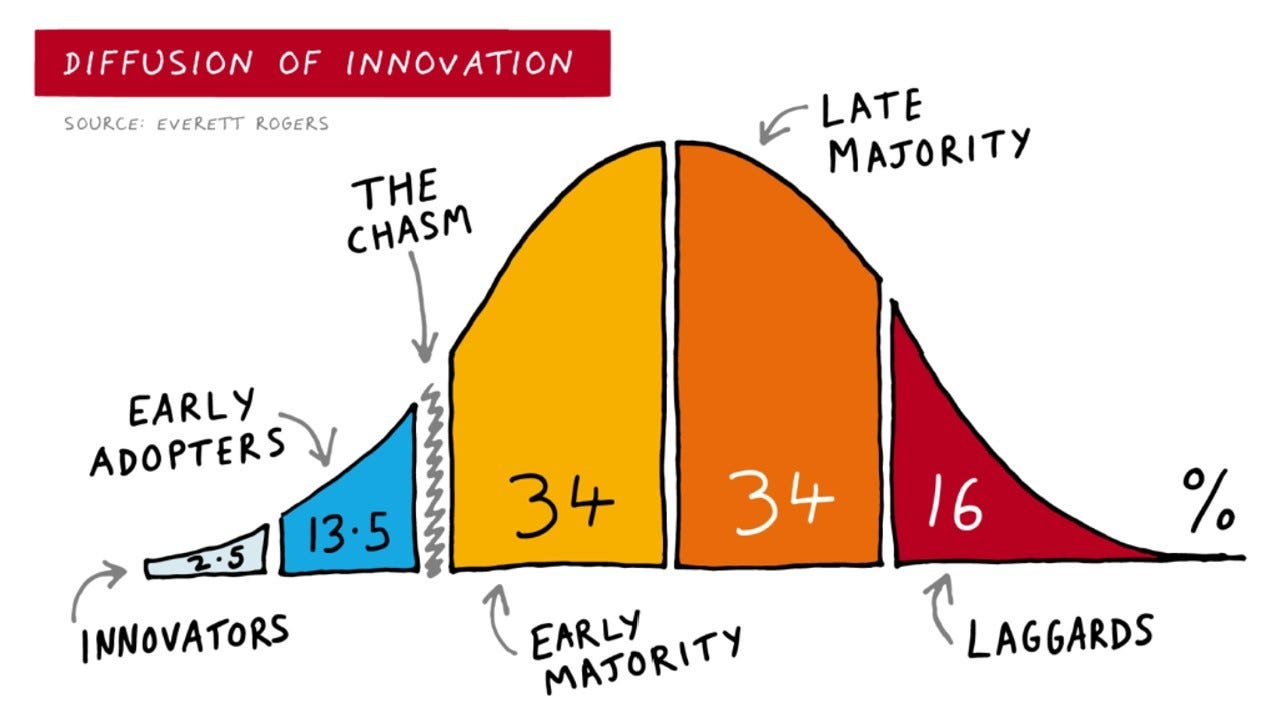
Not everyone is ready for this journey. In times of crisis, some are paralyzed, others cling to the past. Our first task is to find those who, despite fear, feel an active longing for the new. The “innovators,” “early adapters,” “cultural creatives,” and “spiritual creatives” of this change of era. Adventurers who are willing to challenge their personal certainties and stories, who recognize that our systems are broken and no longer serve us, and who wish to reimagine and reinvent them from the local level. Together.
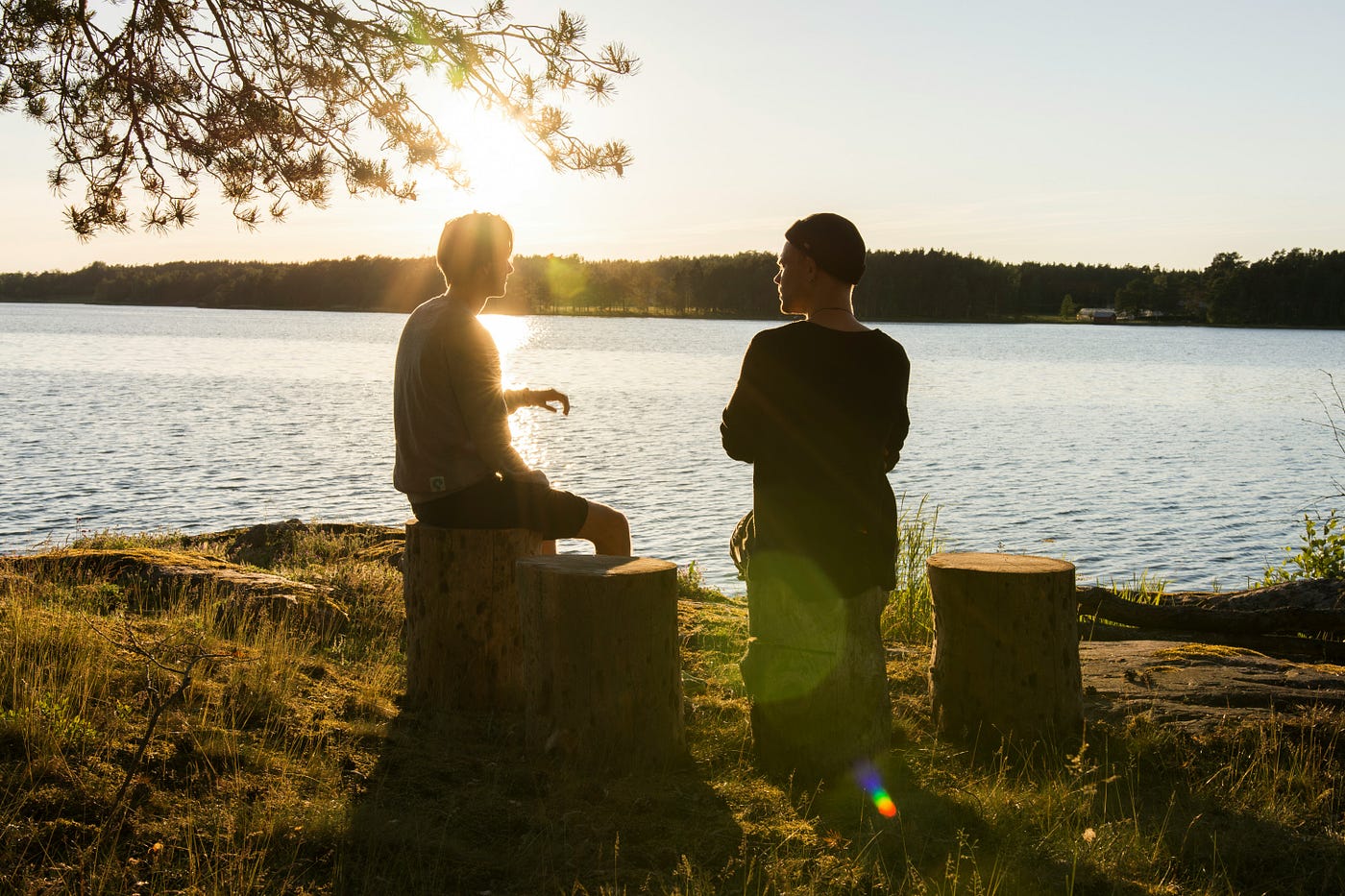
Key Activity: The Invitation Talk. Not a workshop, but an honest conversation. A space where we pose uncomfortable and hopeful questions: What hurts here? What future do we long for? Are we willing to question our certainties? We do not seek to convince, but to identify resonance. Let each person self-select.
Step 1: Reactivate Imagination and Word (The Thaw)
Once the “weavers” are gathered, the first work is to create a “safe container” where the tripod can be exercised without the noise of the outside world.
Key Activities: Workshops, Retreats, and Labs. Here, through experiential dynamics, talking circles, immersion in nature, and futures exercises, the essential occurs:
- Imagination is legitimized: “It’s okay to dream here. It’s okay to propose the ‘crazy’.”
- The Word is purified: We learn to listen without interrupting, to speak from personal experience, not ideologies.
- The unnameable is named: Shared fears, hidden longings, the first images of a different future emerge.
Immediate Result: Participants become aware they are not alone and that another future is imaginable. They begin to question their limiting internal narratives. The germ of basic trust is formed.
Step 2: Cultivate Collaboration and Practice (The Root)
Inspiration, if not embodied, evaporates. The second step is to turn the group’s energy into coordinated action and habit.
Key Activity: The Community of Practice. This is not a debate group. It is a body that does. It meets regularly to:
- Deepen the tripod: Continue exercising imagination, dialogue, and collaboration.
- Learn to Collaborate: Adopt simple tools for decision-making by consent, task distribution, and shared responsibility.
- Prototype: Launch a small, concrete project that materializes their imaginary. It could be a community garden, a local festival, an echo of the future, a water care campaign.
Intermediate Result: An “island of coherence” is born. A space in the territory where the culture that is preached is lived, on a small scale: imaginative, dialogical, collaborative. This island becomes a demonstrative beacon and a gymnasium of skills for its members.
Step 3: Weave Networks and Scale Coherence (The Ecosystem)
An island can be a refuge, but the goal is to regenerate the individual, the community, the bioregion. The third phase is to connect the islands with each other and with existing systems.
Key Activities: Strategic Alliances and Networks of Influence.
- Seek allies in foundations, organizations, conscious businesses, local government departments, media.
- The podcast “The Being Human Myth” and other media serve to narrate the new story being born, attracting more weavers.
- The communities of practice begin to influence public policies, offer consulting and accompaniment to organizations that want to transform, weave a more resilient local economy.
- Direct Impact (3–5 years): A regional network of “local weavers” with renewed capacities is consolidated. The model demonstrates its sustainability (economic and social). Prototypes multiply and their influence becomes visible.
The Final Change: Towards a Regenerative Culture
The ultimate horizon is not a “successful project,” but a cultural transformation. It is when these practices cease to be a “program” and become the normal way of being community.
- Collective imagination becomes institutionalized (e.g., citizen assemblies to imagine the municipal development plan).
- Careful speech and attentive listening are valued as essential civic skills.
- Multi-actor collaboration (citizens, government, organizations, businesses) is the standard way to address problems.
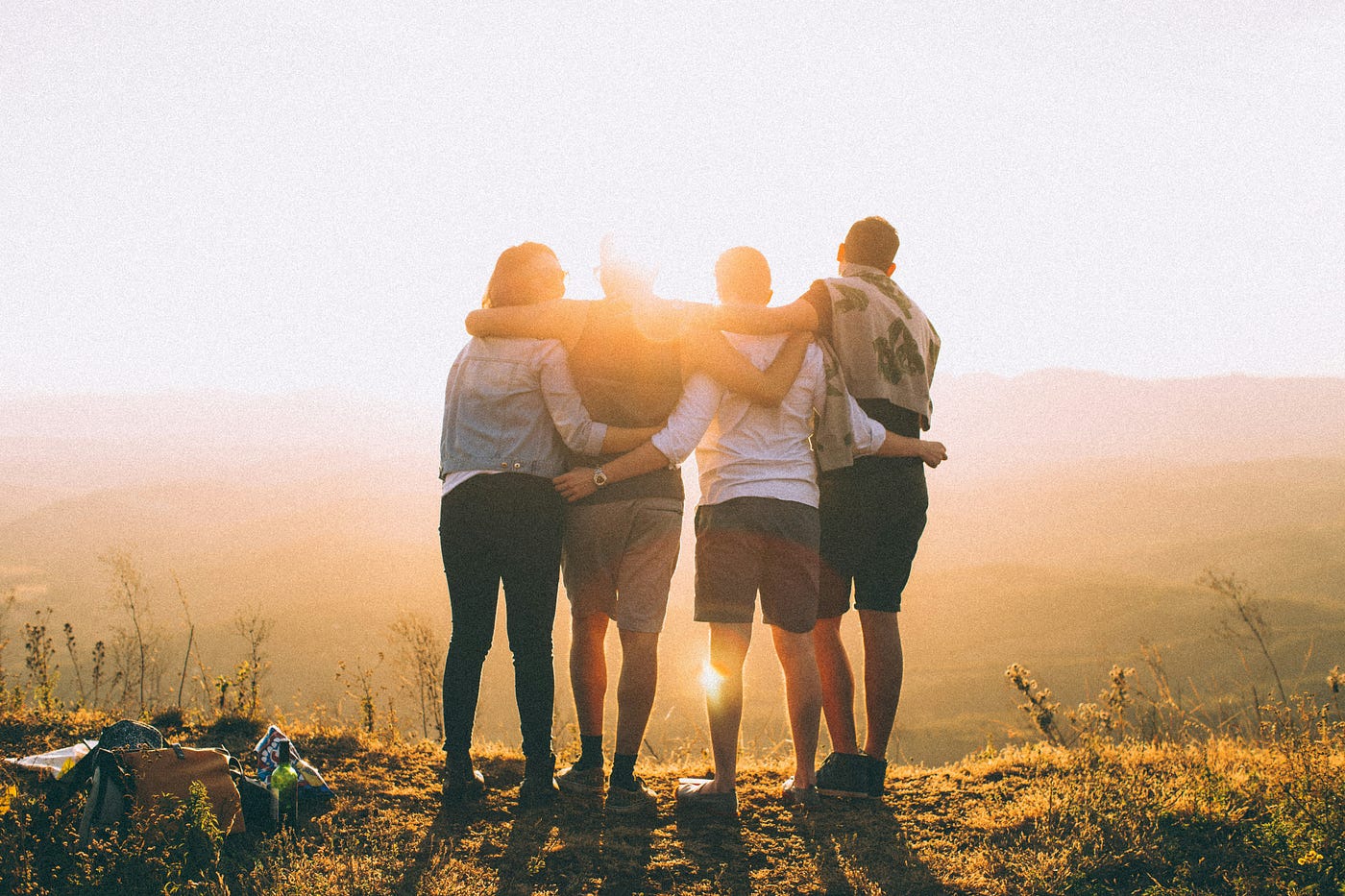
The result is healed communities, with a dense and resilient social fabric, capable of navigating uncertainty with shared purpose and of bequeathing dignified futures to the next generations of the bioregion.
Part IV: Our Ethic: Radical Interdependence — Remember, Reconnect, Recognize
This theory of change does not float in the air. It is anchored in a biological and existential truth: we are networked beings, interdependent and interconnected. We do not exist outside the systems that sustain us.
The theory is guided by three ethical principles: Remember, Reconnect, and Recognize. These process values shape every workshop, every alliance, and every goal we set.
Remember That We Are Nature
We have forgotten that we share the same planet, that we depend on the same water, the same air. We have told the story that humans are above nature, dominating it. It is a narrative of separation that is poisoning us. Rehabilitating our superpowers implies remembering that we are nature, we are part of the “Gaia” system. Remembering that we live in systems and depend on the quality of our systems’ relationships. Our imagination is an ecological phenomenon. Our word emerges from a body that is an ecosystem. Our most basic collaboration is symbiosis with the millions of microbes that allow us to live.
By remembering this, our responsibility changes. It is not about “saving the planet” (it will continue without us), but about saving the conditions for our own dignified life and that of all beings with whom we co-evolve.
Reconnect with Ourselves, with Others, and with the Territory
Global abstraction paralyzes us. Reconnection is a local, sensory, specific act. It is putting your feet on the soil of your bioregion, knowing its water cycles, its soils, its species. It is looking your neighbors in the eye, knowing their stories, their struggles, their dreams.
The community of practice is, above all, a space for this reconnection. It does not imagine a generic future; it imagines the future of this valley, this neighborhood, with these people. Collaboration is born from this mutual reconnection and re-cognition.
Recognize Our Agency and Responsibility
The final step is the most difficult and the most liberating: to recognize that we have power and that, therefore, we are responsible. Not “power over,” but “power with,” the agency to act individually and with others. The power to imagine, to name, to organize ourselves.
Every omission (“this is too big, I can’t”) and every action (“I’m going to get together with my neighbors to do this”) has an impact. It accumulates on the side of collapse or on the side of regeneration. Recognizing this agency takes us out of the role of victims or spectators and places us as responsible co-creators.
Remember, Reconnect, Recognize. This is the virtuous cycle that feeds the tripod. It is the awareness that makes the work not just technical, but deeply meaningful and deeply human.
Part V: Journey from Ego to Eco
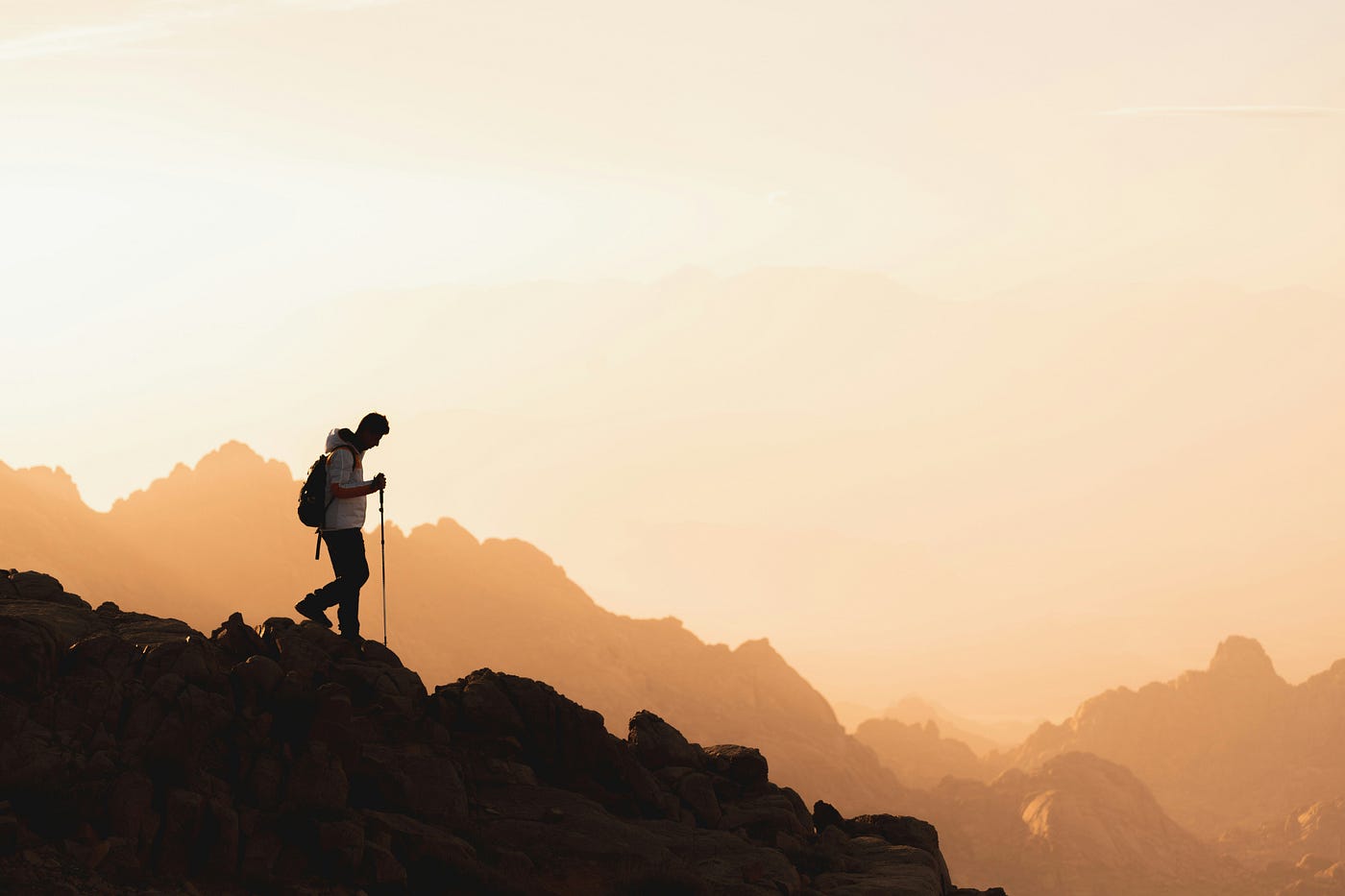
As a tool for communities of practice and for the theory of change I propose, I designed a toolbox I call the “Tool Backpack.” My foundational reflection on the current scenario is clear: the house that modern culture has built demands an “internal pilgrimage.” Not between places, but between paradigms, between ways of seeing, being, and doing. A journey from the collapsing old world to the germinating new world, from destructive logic to regenerative ethics, from economies of death to life-giving practices, from the myth of the separate Self to the truth of the interconnected Us, from the Empire that controls and subdues to the Planetary Community that collaborates and regenerates. From the prison of Ego to the communion of Eco.
The backpack is composed of tools, practices, conceptual maps, questions, links, articles, videos, documentaries, and experiences I have had on my own journey. The most valuable thing we have to share are our mistakes, learnings, battles, successes, fears; in short, our stories.
To embody this journey, I imagined and designed a map, a conceptual route towards Eco woven with glyphs and images that whisper possibilities and awaken curiosity. It is complemented by an imaginative compass with conceptual cardinal points that serve as orientations to navigate the transition. As travel companions, I created the mapcards: the heart of this project, minimalist guides that capture the essence of each station on the journey.
For this “inner pilgrimage”, I offer participants to try on the “regenerative lenses”; foundational prisms that serve us to refract the light of the obsolete paradigm and reconfigure new ways of thinking, being, and doing: systems thinking, futures thinking, and eco-somatic practice.
- Systems thinking is a way of understanding reality that focuses on the interconnections and interdependencies between the parts that make up a whole, instead of focusing solely on individual parts; it focuses on relationships. It is a perspective that considers systems as a set of elements that interact with each other and form an integrated whole.
- Futures thinking is a way of thinking about and approaching the future that goes beyond simple prediction or forecasting. It involves exploring a diversity of possible, probable, and preferable futures that can be identified through signals, patterns, and trends that exist today.
- Eco-somatics is an approach that treats the person as a whole. What we think, feel, and believe directly affects our body and physical well-being. Somatic movement uses simple techniques like paying attention to the present moment, listening to the body, and observing the breath. These tools help us connect with our own internal and external capacities and thus, find stability, balance, and well-being.
Conclusion: An Invitation to Co-creative Responsibility
This theory is not set in stone. It is an evolving travel journal, refined by every conversation, every failure, every lesson, every small victory in the territory. It does not offer certainties, but a route of practice.
We are at the threshold. We can let fear, uncertainty, and inertia lead us to futures of authoritarian fragmentation and ecological collapse. Or we can reclaim our right to dream and to build something different.
That claim is not made with isolated protest, but with deep practice. Practicing imagination until we stop being afraid of it. Practicing the word until we recover its power to weave trust. Practicing collaboration until we remember the joy and potency of doing together.
The project of “Collective Imagination for Possible Local Futures” is, in essence, to create the gymnasiums where that practice is possible. Spaces where the human tripod can be rehabilitated. Where we can remember that we are more, and can be better, than our current modern culture allows us to believe.
The invitation is open. Not to an ideology, but to an exercise in shared humanity. To begin, where you are, with whoever is ready, to imagine, to dialogue, and to build the dignified future you long for. Not because it is easy, but because it is essential. Because the future is not a place we go to, but one we are creating here and now, with every word, every silence, every act of collaboration or omission.
Imagine. Dialogue. Co-create. Remember. Reconnect. Recognize.
메타데이터
- post_id
- deeba8ecffb4
- slug
- remembering-and-reconnecting-with-our-humanity-deeba8ecffb4
- url
- https://medium.com/@urbieta/remembering-and-reconnecting-with-our-humanity-deeba8ecffb4
- canonical_url
- https://medium.com/@urbieta/remembering-and-reconnecting-with-our-humanity-deeba8ecffb4
- author_url
- https://medium.com/@urbieta
- status
- ok
- fetched_at
- 2026-06-29 01:02:39