DTF vs UV Heat Transfer: Which One Rocks Your Project?
Ever scratched your head over why your buddy’s custom tee looks wildly different from that rad phone case? Chances are, they’re rocking…
DTF vs UV Heat Transfer: Which One Rocks Your Project?
Ever scratched your head over why your buddy’s custom tee looks wildly different from that rad phone case? Chances are, they’re rocking different print magic — DTF and UV heat transfer. Let’s break down their vibes without the tech jargon!
1. How They Work: Like Comparing a Paintbrush to a Spray Can
DTF (Direct-to-Film): Think of this as the “crafty DIYer” of the bunch. First, we print your design on a shiny PET film (kinda like a sticker sheet), then sprinkle it with magic hot glue powder. After baking it to melt the glue, we press it onto your shirt with a hot press. The result? A super detailed, colorful print that feels almost like it’s part of the fabric.
UV Heat Transfer: This is the “tech-savvy rebel”! We use UV ink to print directly on a special AB film, zapping it with UV light to lock the colors in. No hot press needed here — just peel and stick onto hard stuff like mugs, phone cases, or even metal. It’s all about that instant, durable finish.
2. Where They Shine: Fabrics vs. Literally Everything Else
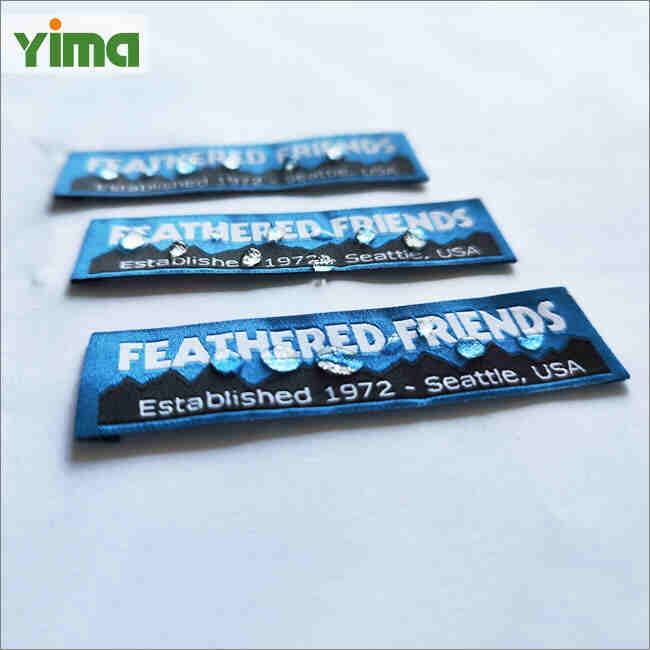
DTF’s Happy Place: Your favorite cotton tees, cozy hoodies, or that cute canvas tote. It’s a pro at handling soft, stretchy materials. Got a design with rainbow gradients or a photo of your pup? DTF nails the tiny details without cracking, even after 50 washes.
UV’s Playground: Got a killer design for a glass water bottle or a metal laptop sticker? UV is your guy. It loves hard, smooth surfaces — think acrylic signs, ceramic plates, or even the curve of a coffee mug. No more “can’t print on that” excuses!
3. The Vibe: Comfort vs. Cool Factor
DTF Feels: Imagine your softest tee — DTF prints are almost invisible to the touch, like the design grew there. They’re perfect for everyday wear because they stretch with the fabric. Just don’t expect them to glow under blacklight (unless your ink is extra fancy).
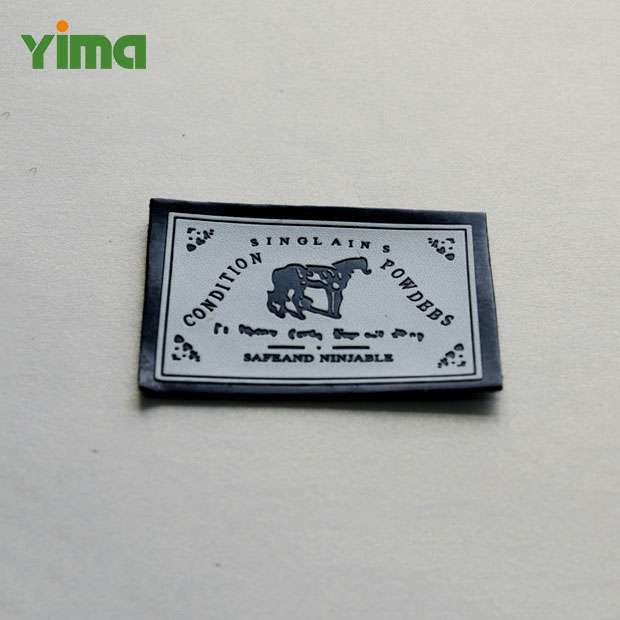
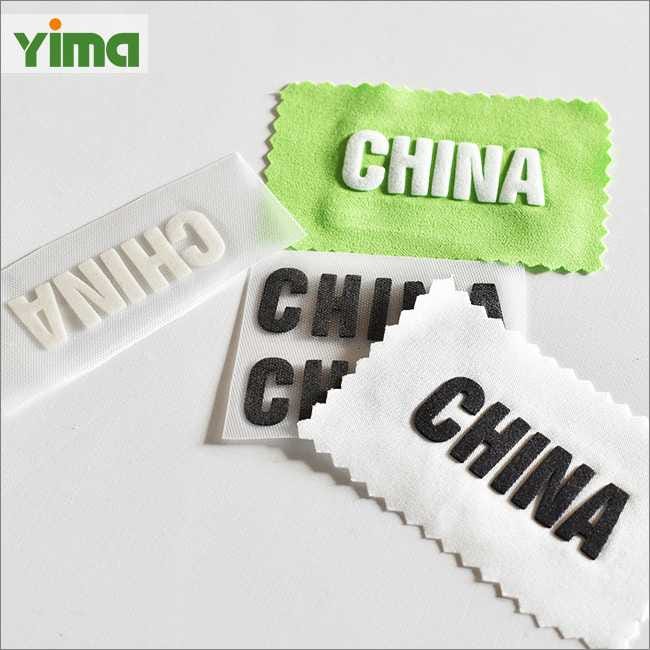
UV Feels: These prints have a slight texture — kinda like a smooth sticker that’s been baked on. They’re tough as nails (seriously, try scratching them), and you can add cool effects like gloss or matte finishes. Want your logo to pop with 3D vibes? UV’s your go-to.
4. Cost & Hassle: Budget-Friendly vs. Tech Investment
DTF Wins If…: You’re on a budget or need small batches. No pricey equipment here — just a printer, some film, and glue powder. It’s the go-to for Etsy sellers or band merch that needs to look pro without breaking the bank.
UV Wins If…: You’re ready to go big on hard goods. Yeah, the UV printer costs more upfront, but if you’re making 1000 custom phone cases, it’s a time-saver. Plus, no messy glue powder — just print, cure, and go.
So, Which One’s Your Jam?
Pick DTF for soft stuff, detailed designs, and cozy vibes (hello, custom hoodies for your crew!).
Pick UV for hard materials, durable prints, and that “wow” factor (think branded office mugs or edgy streetwear accessories).
No wrong choice here — just depends on whether you’re dressing a tee or a skateboard. Ready to bring your design to life? Let’s chat about which magic fits your vibe!
메타데이터
- post_id
- defe6c7b19e6
- slug
- dtf-vs-uv-heat-transfer-which-one-rocks-your-project-defe6c7b19e6
- url
- https://medium.com/@yimalabel/dtf-vs-uv-heat-transfer-which-one-rocks-your-project-defe6c7b19e6
- canonical_url
- https://medium.com/@yimalabel/dtf-vs-uv-heat-transfer-which-one-rocks-your-project-defe6c7b19e6
- author_url
- https://medium.com/@yimalabel
- status
- ok
- fetched_at
- 2026-07-31 15:09:05