Real-Time Predictive Analytics in Critical Care Environments
Real-time predictive analytics is rapidly transforming critical care environments, particularly intensive care units (ICUs), where timely…

Real-Time Predictive Analytics in Critical Care Environments
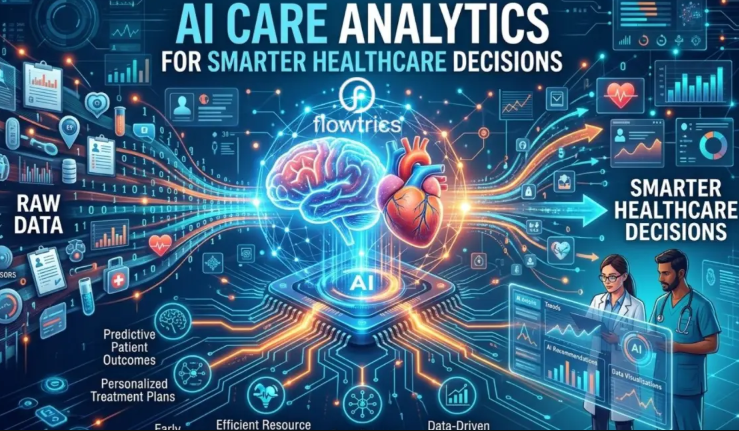
Real-time predictive analytics is rapidly transforming critical care environments, particularly intensive care units (ICUs), where timely decisions can mean the difference between life and death. This approach uses advanced computational techniques to analyze continuously generated patient data and predict potential clinical events before they occur. By shifting healthcare from reactive to proactive, real-time predictive analytics is improving patient outcomes, enhancing efficiency, and redefining modern critical care practices.
1. Introduction
Critical care environments are characterized by high patient acuity, complex conditions, and the need for constant monitoring. Traditionally, clinicians rely on experience, periodic observations, and standardized scoring systems to assess patient status. However, these methods often fail to detect early signs of deterioration. Real-time predictive analytics addresses this limitation by continuously analyzing large volumes of data and identifying patterns that may not be visible to human observers.
2. Key Technologies
The foundation of real-time predictive analytics lies in the integration of multiple advanced technologies:
- Machine Learning (ML): Algorithms learn from historical and real-time data to identify trends and predict outcomes such as deterioration or recovery.
- Artificial Intelligence (AI): AI systems simulate human decision-making, enabling automated risk assessments and recommendations.
- Big Data Systems: Critical care generates vast amounts of data from monitors, laboratory systems, and electronic health records, which are processed in real time.
- Internet of Things (IoT): Connected medical devices continuously collect physiological data such as heart rate, blood pressure, and oxygen saturation.
- Cloud and Edge Computing: These technologies allow fast data processing either centrally (cloud) or near the patient (edge), reducing delays in analysis.

3. Clinical Applications
Real-time predictive analytics has several practical applications in critical care:
a. Early Detection of Patient Deterioration
Predictive models can identify subtle changes in vital signs that indicate worsening conditions. This allows clinicians to intervene early and prevent complications.
b. Sepsis Prediction
Sepsis is a life-threatening condition that requires immediate treatment. Predictive analytics systems can detect early warning signs and alert clinicians before the condition becomes severe.
c. Cardiac Event Prediction
Continuous monitoring of heart activity enables systems to predict events such as cardiac arrest, allowing preventive measures to be taken.
d. Ventilator Management
Analytics can help optimize ventilator settings by predicting respiratory failure or improvement, ensuring appropriate support for patients.
e. Mortality and Risk Assessment
Real-time models can estimate a patient’s risk of mortality or complications, assisting clinicians in prioritizing care and allocating resources.
EQ.1. Hazard Function (Survival Analysis):

4. Benefits
The adoption of real-time predictive analytics offers numerous advantages:
- Improved Patient Outcomes: Early detection of complications leads to timely treatment and reduced mortality rates.
- Enhanced Decision-Making: Clinicians receive data-driven insights that support faster and more accurate decisions.
- Reduced Workload: Automation of monitoring and analysis reduces the cognitive burden on healthcare providers.
- Efficient Resource Utilization: Hospitals can allocate staff and equipment more effectively based on predicted needs.
- Continuous Monitoring: Unlike periodic assessments, real-time systems provide ongoing evaluation of patient status.

5. Challenges and Limitations
Despite its potential, several challenges must be addressed:
- Data Quality Issues: Incomplete or inaccurate data can lead to unreliable predictions.
- Integration with Clinical Workflow: Many systems are not fully integrated into hospital processes, limiting their usability.
- Model Interpretability: Complex algorithms may produce results that are difficult for clinicians to understand or trust.
- Alert Fatigue: Frequent alerts can overwhelm healthcare providers, reducing effectiveness.
- Privacy and Security: Handling sensitive patient data requires strict safeguards to prevent breaches.
- Generalizability: Models developed in one healthcare setting may not perform well in another due to differences in patient populations.
6. Ethical Considerations
The use of predictive analytics raises important ethical questions. Decisions based on algorithms must ensure fairness, transparency, and accountability. Clinicians must remain responsible for patient care, and predictive systems should be used as support tools rather than replacements for human judgment. Ensuring patient consent and data protection is also essential.
EQ.2. Softmax Function (Multi-Class Prediction):

7. Future Directions
The future of real-time predictive analytics in critical care is promising. Advances are expected in:
- Personalized Medicine: Tailoring predictions and treatments to individual patient characteristics.
- Explainable AI: Making models more transparent and understandable for clinicians.
- Multimodal Data Integration: Combining data from various sources, including imaging and genomics, for more accurate predictions.
- Autonomous Systems: Developing intelligent ICUs capable of assisting with routine monitoring and decision-making.

Conclusion
Real-time predictive analytics represents a major advancement in critical care, enabling healthcare providers to anticipate and prevent adverse events rather than simply reacting to them. By leveraging AI, machine learning, and continuous data monitoring, these systems enhance clinical decision-making, improve patient outcomes, and increase operational efficiency. However, challenges related to data quality, integration, and ethics must be carefully managed. As technology continues to evolve, real-time predictive analytics is likely to become an essential component of modern critical care systems.
메타데이터
- post_id
- df06670c74bd
- slug
- real-time-predictive-analytics-in-critical-care-environments-df06670c74bd
- url
- https://medium.com/@sasikkolla/real-time-predictive-analytics-in-critical-care-environments-df06670c74bd
- canonical_url
- https://medium.com/@sasikkolla/real-time-predictive-analytics-in-critical-care-environments-df06670c74bd
- author_url
- https://medium.com/@sasikkolla
- status
- ok
- fetched_at
- 2026-07-13 06:23:13