Building trust in our food systems: moving to short food supply chains (SFSCs)
Today’s industrialized model of providing food to the final consumers seems highly efficient compared to the previous production and…
Building trust in our food systems: moving to short food supply chains (SFSCs)
Today’s industrialized model of providing food to final consumers seems highly efficient compared to the previous production and distribution models. However, it is often criticized for difficult access to the market for smallholder farmers and small and medium enterprises, especially those from developing economies, for environmental pollution and provision of low food security.
Short food supply chains (SFSCs) have emerged, especially in Europe and in the United States, as one of the alternatives to reconnect the two extreme parts of the supply chains: producers and consumers. SFSCs are a solution for restructuring our food systems to support sustainable and healthy farming methods, create resilient livelihoods for farmers, and localize the food economies (Jarzebowski S. et al., 2020).
Producers, consumers and members of society are increasingly interested in the SFSCs initiatives for the benefits that the traditional industrialized model seems unable to provide. SFSCs positively influence the economy, offer greater social cohesion, preserve the environment, improve nutritional aspects of food and enhance local development. SFSCs can contribute to the UN Agenda 2030 for Sustainable Development, particularly the Goal 12: Responsible consumption and production.
This article is based on the UNIDO’s document on short food supply chains published in June 2020 and provides an overview of the types of SFSC initiatives, highlights their potential benefits and means of enabling them.
Forms of SFSC initiatives
Short food supply chains (SFSCs) aim to reduce the physical distance between the farmer and the final consumer, the number of intermediaries, and increase the social exchange between them. The SFSCs are at the crossroad of economic, environmental, and social issues. They come in many forms and operating models:
- farmer-driven initiatives: farmers sell their products direct to consumers on-farm (farm shops, pick-your-own initiatives, agritourism) or off-farm, on farmers’ markets and shops or through delivery schemes
- consumer-driven initiatives: consumer-driven initiatives include solidarity purchasing groups, consumers’ managed shops, or in the US Community Supported Agriculture (CSA)
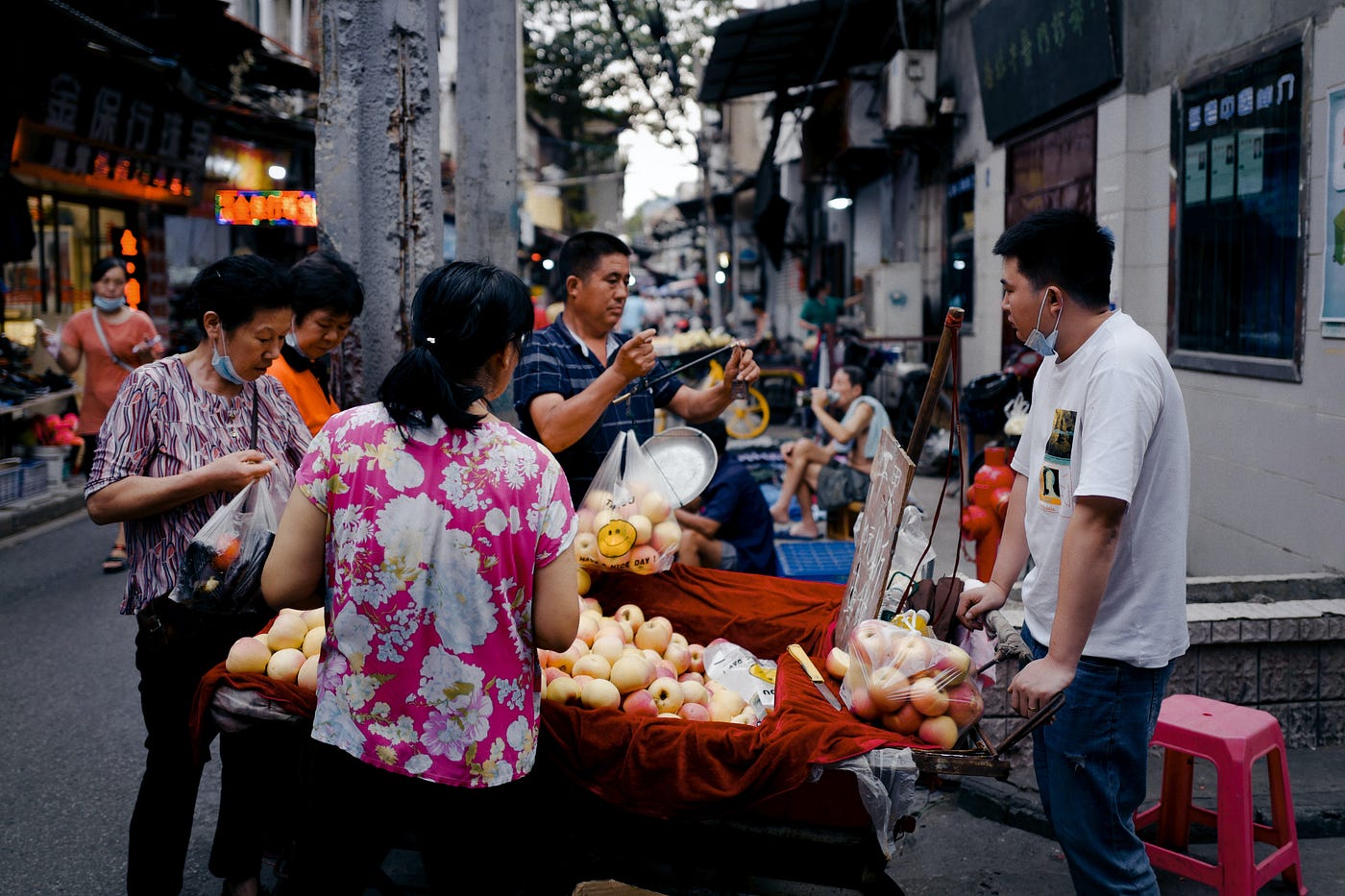
- initiatives mediated by an intermediary: SFSCs are of great interest to local retailers, restaurants, hotels, markets, caterers, street food vendors, and public institutions (schools, hospitals, hospices, etc.). Public procurement is not a form of SFSCs per se, but it can offer exciting opportunities to develop and support local agricultural products.
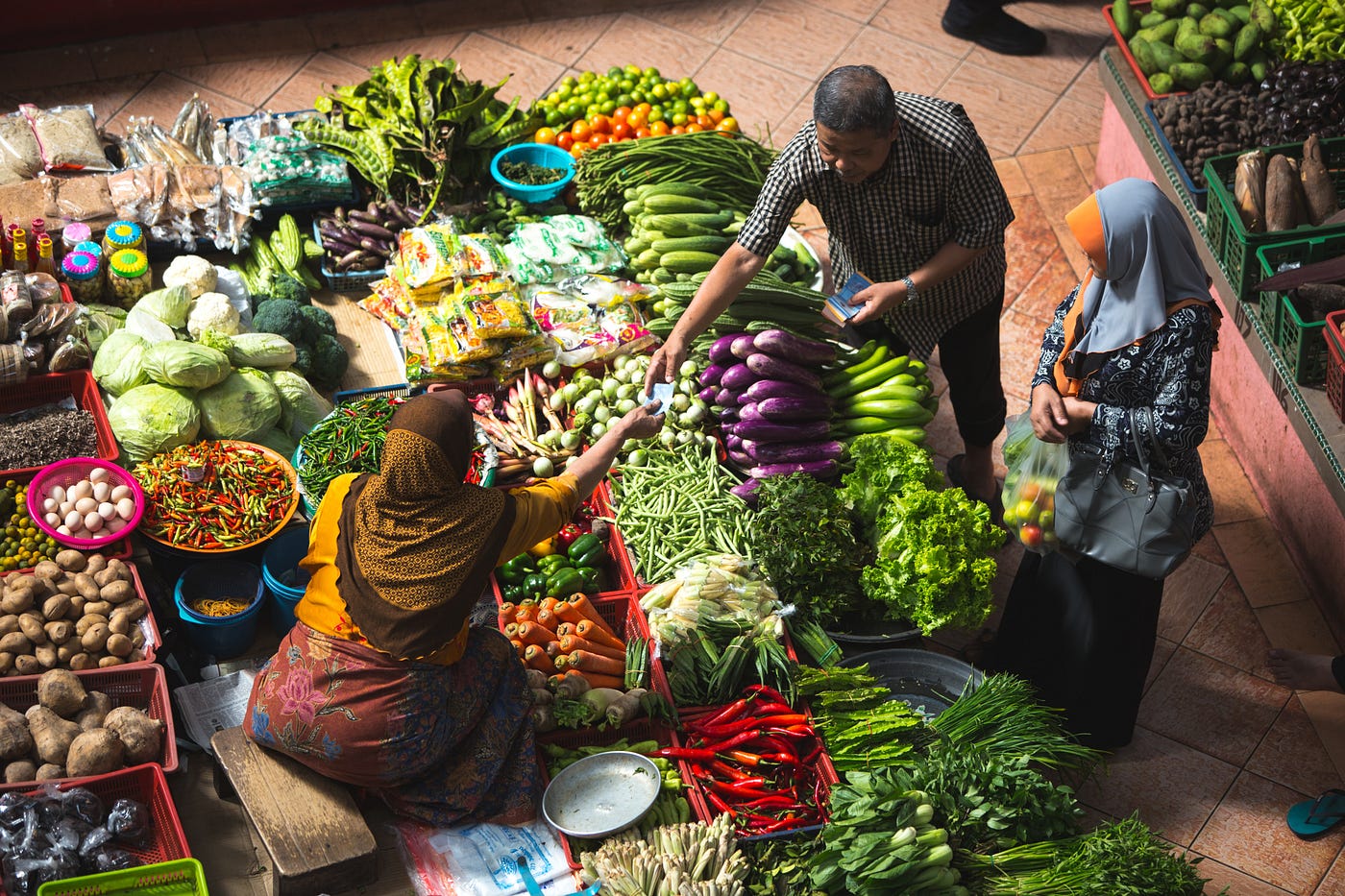
Photo by Alex Hudson, borrowed from Unsplash.com
Potential benefits of SFSCs
Thanks to providing the link between production and consumption, the benefits of the SFSCs go beyond the economic ones and are perceived as a tool capable of satisfying the needs of the entire society (environmental and social benefits).
Benefits for producers: - easier and more stable market access, especially for small producers
- increased selling price of products
- the possibility to increase the added value through processing and preparation of the product and services by the farmer himself
- the possibility of activating a direct relationship and cooperation with consumers: being able to acquire and transmit information to consumers, monitor the market, differentiate the product and obtain customer loyalty
- an opportunity for marketing their products to gain better prices and value-added
- more stable commercial relations (escaping from the bargaining with processing firms and commercial intermediaries)
- opportunity to develop cooperation with other farmers
- allow for the strategic orientation of the whole farm
- the possibility of socialization and regaining satisfaction in their work.
However, these potential benefits correspond to many potential problems, arising mainly from the need to reorganize farming activity, logistics, and even reconsider the whole firm strategy, with a consequent need for new skills, resources and investments.
Benefits for consumers Consumers, searching for alternatives to the industrialized and standardized food to get fresh and nutritious food, have been driving the growth of SFSCs. Their interest in the SFSCs was inspired by solidarity towards farmers, who often depend on the powerful processing firms and big retailers, and the environment, threatened by industrialized production processes. Consumers have taken a proactive role in the agri-food system, realizing that their purchasing decisions influence the food economies.
Consumers are driven by different motivations to engage in SFSCs. The expected benefits are related to the economic objectives in terms of lower prices or a better price/quality ratio. The main benefits for consumers are:
- better value food
- easier access to quality products: fresh, local, “authentic,” known origin food
- easier access to healthier food options
- traceability: buy products from a known producer
- reduce environmental impact
- reconnect food to the farming and processing process
- pursuit of social and ethical objectives
- support the local economy and rural development.
SFSCs is just one of the many ways to purchase food for many local consumers, but for many others, shifting to SFSC means a profound change in purchasing and consumption patterns. They put more significant attention to the nutritional properties, the origin of food, and the processing methods used. For them, SFSCs are a way to demonstrate disagreement with the dominant food production system, processing and distribution.
On the other hand, consumers need to spend more time purchasing and preparing food. Interacting with producers also takes more time, but that can be perceived as an investment in social relationships and responsibility.
Benefits for society SFSCs positively impact the collective well-being, particularly the environment, health and social cohesion. SFSCs contribute to more social justice, equality, and inclusion. The relationships between producers and consumers are improved, which results in more participation in food governance.
Environmental benefits are related to reducing the distance between production and consumption, which contributes to less transportation, refrigeration, packaging, and storage. Compared to the mass food distribution channels, SFSCs reduce food waste, help preserve biodiversity, and promote seasonal produce, which is recognized as a critical component of sustainable and healthy diets.
As SFSCs enable greater transparency in terms of where the food is coming from and how it is produced, consumers can make conscious buying decisions that promote food produced in an environmentally friendly way and reduce the demand for foods that cause negative environmental impacts. This helps grow the sustainable food supply and pushes other food supply chains to move towards their production, becoming more environmentally friendly and sustainable to meet consumer demands.
SFSCs also help preserve sustainable peri-urban agriculture with positive effects on preserving the environment’s quality around big cities.
SFSCs impacts on health: the local agriculture products need fewer preservatives and are produced according to the local seasons.
How to promote SFSCs?
SFSCs are a growing trend, but two domains require much work to help SFSCs become even more popular and, eventually, the norm for various food value chains.
- Capacity building programs for producers
In most cases, the food supply chains have been and still are structured in a way that the producer’s interaction with the consumer is limited. Producers are used to dealing only with the first next link in the supply chain. Thus, even if the producer starts working with the intermediaries closer to the consumer or directly with the consumer, they rarely have the skills and infrastructure to do so. Producers need to be educated on direct trade and understand the requirements they need to operate in specific markets. Capacity building programs and awareness-raising campaigns need to be established to enable a faster transition towards short food supply chains. Clusters and business associations can be powerful catalysts for these efforts.
To help develop SFSCs within East Africa (EA) and between EA and Europe, Anteja Africa, based in Nairobi, Kenya, is deploying a capacity building program aimed at producers, also known as agribusinesses. EA is the largest organic food-producing region globally and the source of various foods that nowadays might be taken for granted in Europe, such as avocado, mango, and macadamia nuts. The program helps agribusinesses achieve market standards and acquire skills in business practices for better business conduct with their new buyers in the shortened supply chains. Hopefully, this program will become a role model on how to develop the producer side of the equation for a faster transition to SFSCs. It will bring greater economic prosperity to the EA region while improving the environmental and social impacts of the food supply chains stemming from the area.

Photo by Kamala Saraswathi, borrowed from Unsplash.com
2. Digital transparency tools
Consumer demands are one of the strongest forces when it comes to shaping the business conduct in many industries, including food. To stimulate the transition to more sustainable and environmentally friendly SFSCs, consumers need to access the information regarding the origin of food and how it was produced in the supply chain. Such information makes their purchasing decisions more informed and directed towards the products that meet their demands regarding sustainability, social, and environmental impacts. For effective transparency between the producer and consumer, the supply chains need to be not only (preferably) short, but they also require transparency infrastructure. Digital transparency tools are thus a critical enabler and promoter for SFSCs.
To further promote the sustainable supply chains, Anteja has developed the phy2app digital solutions which help the participants in the short supply chains to become transparent in the exchanges between the producers and consumers. Phy2app allows the SFSCs participants to conduct transparent business among each other as well as efficient transparency to the consumer.
The next decade will be extremely exciting as we will witness many changes and restructurings of the food systems we know today. At Anteja we believe that the SFSCs are the future of food supply chains. They will enable greater transparency and consequently improve the social and environmental impacts, leading to more sustainable food systems. It will not be a swift and simple transition, so we need to get to work now! The benefits of the change will improve the world for us and the generations to come.

Photo by Warren Wong, borrowed from Unsplash.com
This article was written in collaboration with Jon Goriup Dermastia and Mateja Dermastia.
Sources: Jarzebowski S. et al.: Short food supply chains, 2020 UNIDO: Short food supply chains, 2020
메타데이터
- post_id
- df4d316cac7a
- slug
- building-trust-in-our-food-systems-moving-to-short-food-supply-chains-sfscs-df4d316cac7a
- url
- https://medium.com/anteja/building-trust-in-our-food-systems-moving-to-short-food-supply-chains-sfscs-df4d316cac7a
- canonical_url
- https://medium.com/anteja/building-trust-in-our-food-systems-moving-to-short-food-supply-chains-sfscs-df4d316cac7a
- author_url
- https://medium.com/@Mar_Tina
- status
- ok
- fetched_at
- 2026-06-22 05:41:33