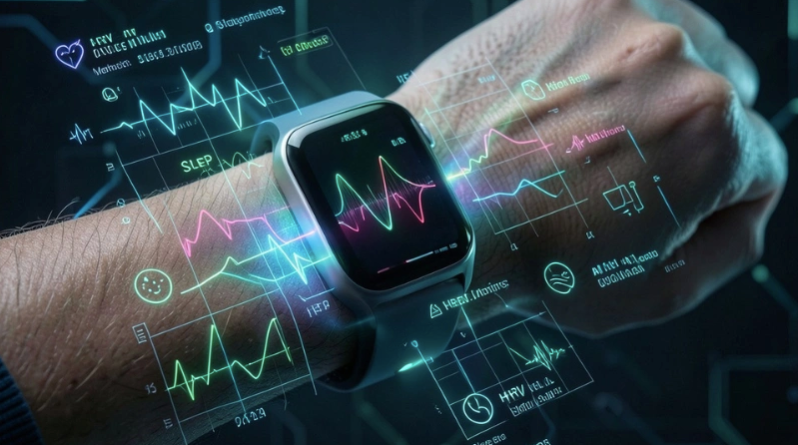
Garmin Quietly Built the Smartwatch That Apple Never Really Made
Most smartwatches became extensions of smartphones. Garmin turned the watch back into a tool for survival fitness recovery and daily…
Garmin Quietly Built the Smartwatch That Apple Never Really Made

Most smartwatches became extensions of smartphones. Garmin turned the watch back into a tool for survival fitness recovery and daily endurance.
The smartwatch market reached a strange point over the past few years. Most devices stopped feeling like watches. They became tiny glowing screens attached to the wrist demanding attention every few minutes through notifications, reminders calls, emails and endless battery anxiety. Fitness tracking often felt secondary despite marketing campaigns claiming otherwise. A watch designed to improve health somehow ended up creating another digital habit.
That shift quietly opened space for a different kind of wearable. Garmin noticed long before most consumers did.
While larger brands competed over app ecosystems and lifestyle integrations Garmin focused on something far less flashy. Battery life that lasts beyond a weekend. GPS tracking that does not lose direction halfway through a city block. Recovery metrics that actually help explain exhaustion rather than simply counting steps.
For years Garmin watches looked too technical for mainstream buyers. They belonged to marathon runners,cyclists. hikers, triathletes and people preparing for mountains rather than office meetings. That perception no longer feels accurate.
The latest generation suddenly feels less like niche sports equipment and more like the future of wearable technology. Not because Garmin copied traditional smartwatches. Because the rest of the industry slowly moved toward distraction while Garmin kept refining utility.
Three devices define that shift better than anything else right now.
The Fēnix 8 Pro The Venu X1 The Instinct 3
Each one represents a completely different philosophy of modern wearable technology. Yet all three quietly challenge what most consumers now expect from a smartwatch. And after spending time exploring the current lineup one thing becomes obvious. Garmin may have built the best smartwatch ecosystem without most casual buyers even noticing.
The Fēnix 8 Pro Feels Like a Watch Designed for Human Endurance
Most flagship smartwatches try to balance productivity, entertainment, communication and fitness. The Fēnix 8 Pro feels almost stubbornly focused on resilience instead. That difference changes the entire experience.
The watch immediately gives off the impression that it was designed for people who disappear into mountains, forests, oceans, trails and long distance races rather than coffee shops. Yet strangely enough it also works extremely well as an everyday companion. That tension makes the device fascinating.
Garmin refined nearly every weakness from previous generations without sacrificing the rugged identity that made the Fēnix series respected among endurance athletes. The AMOLED display finally brings visual richness without destroying battery performance. That sounds minor until spending several days with the watch reveals how dramatically readability changes during workouts navigation and sleep tracking review sessions.
Most AMOLED smartwatches force compromise. Beautiful display. Terrible endurance. The Fēnix 8 Pro somehow avoids the usual punishment.
Battery performance still feels almost absurd compared to mainstream competitors. Multi day outdoor tracking sessions no longer create charging anxiety. Weekend travel does not require carrying an extra cable everywhere. Long runs stop becoming battery management exercises. That alone changes how the watch fits into daily life. Then comes the GPS accuracy. This remains Garmin territory.
Dense urban streets, heavy tree coverage, remote hiking routes and difficult terrain barely seem to confuse the watch. The tracking feels stable in situations where many consumer smartwatches drift unpredictably across roads ,rivers or entire neighborhoods. The difference sounds technical until using navigation during an unfamiliar trail or race. Accuracy suddenly stops being a luxury feature. It becomes trust. Garmin also pushed deeper into recovery science with features like Sleep Coach Body Battery and nap tracking. Most smartwatch sleep data still feels vague or decorative. Garmin attempts to translate recovery into something actionable.
Some mornings the watch explains exhaustion before coffee does.
That level of interpretation creates an unusual relationship with the device. It starts feeling less like a notification center and more like a physiological dashboard quietly observing patterns that are otherwise easy to ignore. Perhaps the most surprising addition involves the microphone and speaker integration.
For years Garmin resisted features associated with mainstream lifestyle watches. Now calls voice commands and smarter interactions exist without completely compromising the rugged identity of the Fēnix line. That balance matters. The watch still feels engineered for movement first. Everything else remains secondary. And that may be exactly why the experience feels refreshing compared to many modern wearables.
The Venu X1 Finally Makes Garmin Feel Stylish Without Losing Its Identity
Garmin devices historically earned respect rather than admiration. People trusted them. Few described them as elegant. The Venu X1 quietly changes that conversation.
This watch feels like Garmin finally realized that many consumers want advanced health tracking without wearing something that resembles expedition equipment every day. The result lands somewhere between fitness companion luxury accessory and understated productivity tool. Unlike many lifestyle smartwatches the Venu X1 does not chase attention.
That restraint works in its favor. The thinner profile lighter frame and polished AMOLED display create a much softer visual presence than the rugged Fēnix line. It transitions easily between workouts, office environments, dinner settings and travel days without feeling out of place. That flexibility matters more than smartwatch companies often admit. Most people no longer want separate devices for different parts of life. The Venu X1 understands that reality extremely well.
Performance also feels noticeably smoother compared to older Garmin lifestyle models. Navigation animations and touch response finally approach the fluidity users expect from premium smart devices. For years Garmin software occasionally felt functional rather than refined. The Venu X1 feels far more polished. Yet the watch never fully abandons Garmin’s core strength which remains health data interpretation.
Sleep tracking on the Venu X1 feels particularly impressive because the watch attempts to explain patterns rather than simply summarize them. Stress fluctuations, recovery quality, heart rate variability and overnight strain combine into recommendations that actually feel useful. Many wearables provide information. Few provide context. That distinction becomes increasingly important as users grow overwhelmed by endless metrics.
The battery performance also creates one of the strangest moments for first time Garmin users.
Forgetting where the charging cable was left. Most smartwatch owners became conditioned to daily charging routines years ago. Garmin devices interrupt that habit entirely. Even with extensive tracking and always on display usage the Venu X1 comfortably lasts well beyond what most premium smartwatches currently offer.That freedom subtly changes the psychological experience of owning a wearable. The watch stops feeling fragile. It starts feeling dependable.
And perhaps that explains why Garmin continues attracting users frustrated with more mainstream ecosystems.
The Instinct 3 Rejects Modern Smartwatch Culture Entirely
The Instinct 3 may be the most interesting watch in the current Garmin lineup because it openly refuses many modern smartwatch trends. No obsession with ultra polished graphics. No attempt to mimic a luxury accessory. No desperate push toward digital overload. Instead the watch embraces utility with unusual confidence.
At first glance the monochrome display appears outdated compared to modern AMOLED screens flooding the market. Then several days outdoors completely reframes the experience. Visibility remains excellent in difficult lighting. Battery life becomes almost unbelievable with solar charging support. The lightweight construction barely becomes noticeable during long movement sessions.
Suddenly simplicity feels intelligent rather than limited. That may explain why the Instinct series developed such strong loyalty among hikers, climbers, military, professionals, trail runners and outdoor workers. The device feels purpose built rather than trend driven.
Durability remains one of the strongest reasons the Instinct line continues growing in popularity. Extreme temperatures, rough environments, heavy rain ,accidental impacts and demanding terrain rarely seem to affect performance. Many smartwatches feel temporary. The Instinct 3 feels built for years of punishment. Garmin also improved navigation storage sensor quality and interface responsiveness which removes many frustrations older rugged devices often created.
The watch now feels faster, cleaner and easier to trust during demanding conditions. And once again battery performance changes the relationship entirely.
The possibility of nearly endless smartwatch mode through solar charging sounds exaggerated until extended outdoor usage proves otherwise. Long trips no longer revolve around power management. That freedom creates a very different emotional connection to technology.
Less maintenance. Less dependency. Less digital friction.
In many ways the Instinct 3 represents the opposite direction of where mainstream consumer electronics evolved during the past decade.And strangely enough that may be exactly why it feels modern.
Garmin Understands Something the Smartwatch Industry Forgot
Most smartwatch companies optimize for engagement. Garmin optimizes for endurance. That philosophical difference appears everywhere throughout the ecosystem. Battery longevity. Recovery tracking. Navigation reliability. Physical durability. Offline functionality. Free access to advanced health insights without subscription pressure. The experience feels built around long term usefulness rather than constant interaction.
That approach increasingly stands out in a market flooded with devices demanding more attention than they save. Garmin watches rarely feel addictive. They feel supportive.
That distinction becomes more important as wearable technology moves deeper into everyday life. Consumers no longer simply want smart features. They want calmer technology. Technology that assists rather than interrupts. Technology that respects physical reality instead of constantly competing against it. Garmin quietly positioned itself at the center of that shift long before the industry fully recognized where consumer fatigue was heading.
And perhaps that explains why so many athletes, creators, travelers, outdoor enthusiasts and professionals eventually migrate toward Garmin after years inside more traditional smartwatch ecosystems. Not because Garmin devices feel futuristic.
Because they feel dependable.
The Real Reason Garmin Watches Are Suddenly Everywhere
The rise of Garmin reflects something larger than fitness culture. People are becoming exhausted by disposable technology. Daily charging cycles, endless notifications, subscription , fatigue and fragile hardware created a strange relationship between consumers and personal devices. Many smartwatches promised convenience while quietly increasing maintenance. Garmin took a different path.
The watches focus on recovery movement, sleep navigation, resilience and physical performance before entertainment or ecosystem lock in. That design philosophy now feels surprisingly aligned with what many users actually need from wearable technology.
Not another tiny smartphone. A tool that quietly improves awareness. The Fēnix 8 Pro remains the strongest option for athletes, adventurers and performance obsessed users who want maximum capability in every environment. The Venu X1 offers the most balanced experience for users seeking elegant everyday wear combined with serious health tracking. The Instinct 3 appeals to those who value reliability, simplicity and extreme durability over visual polish.
Different watches. Same philosophy. Less distraction. More usefulness.
And perhaps that explains why Garmin no longer feels like a niche brand for endurance athletes. It feels like the company that understood the limitations of modern smartwatches before the rest of the industry did.
메타데이터
- post_id
- df5d6ed44787
- slug
- garmin-quietly-built-the-smartwatch-that-apple-never-really-made-df5d6ed44787
- url
- https://medium.com/@bestfinddeal01/garmin-quietly-built-the-smartwatch-that-apple-never-really-made-df5d6ed44787
- canonical_url
- https://medium.com/@bestfinddeal01/garmin-quietly-built-the-smartwatch-that-apple-never-really-made-df5d6ed44787
- author_url
- https://medium.com/@bestfinddeal01
- status
- ok
- fetched_at
- 2026-06-29 02:33:43