The Science Behind Ketamine Assisted Psychotherapy and Emotional Healing Explained
How ketamine reshapes the brain to support deep emotional healing and mental wellness
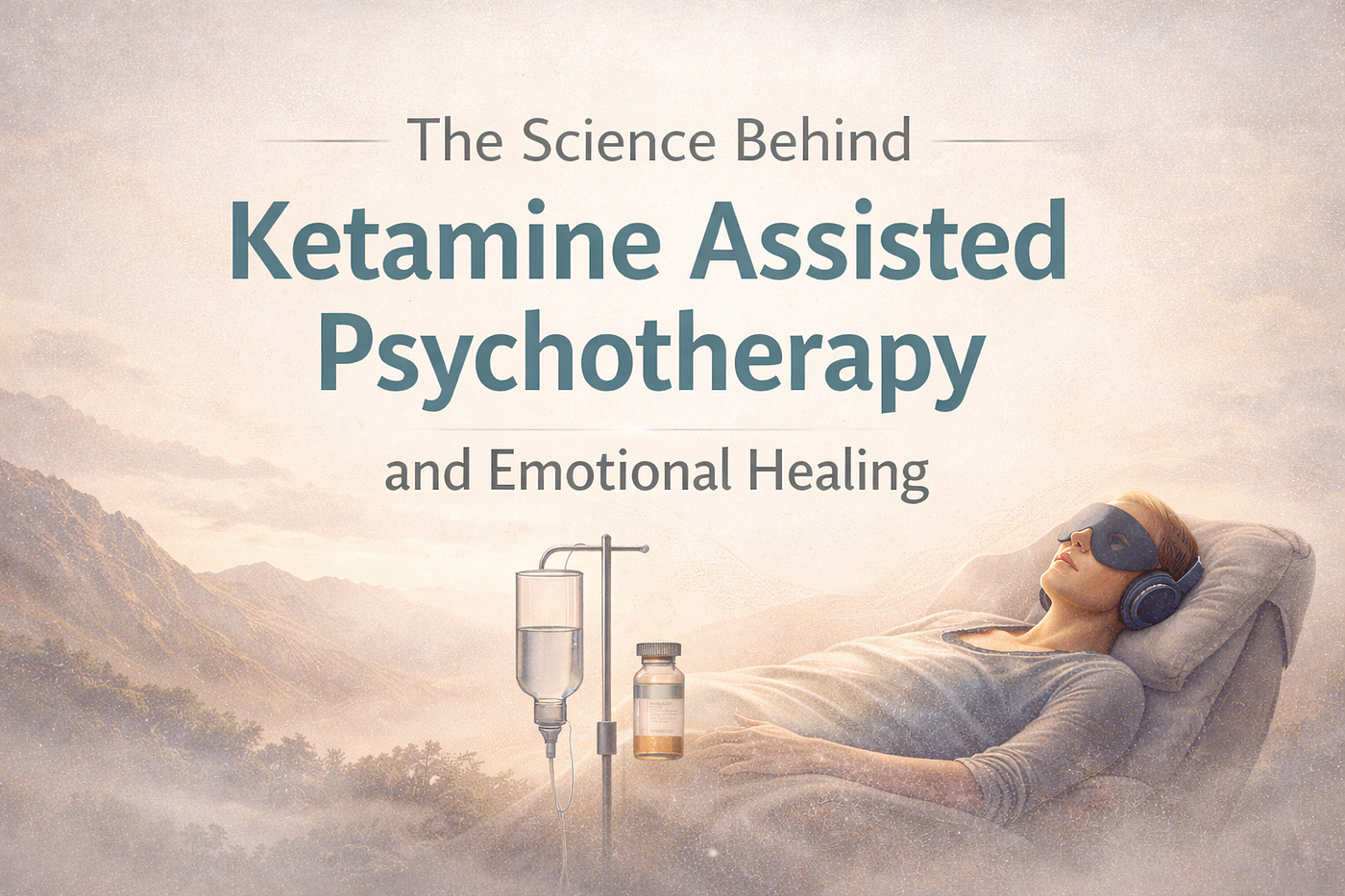
The Science Behind Ketamine Assisted Psychotherapy and Emotional Healing
There’s a moment many people struggling with mental health recognize , the feeling of being stuck in patterns that no amount of talk therapy or medication seems to shift. For some, ***ketamine assisted psychotherapy*** has emerged as a different kind of doorway, one that doesn’t just manage symptoms but helps rewire how the brain processes pain, memory, and emotion.
Understanding the Brain on Ketamine
Ketamine was originally developed as an anesthetic, but researchers began noticing something unusual: patients often reported rapid improvements in mood after receiving it. Unlike traditional antidepressants that primarily target serotonin and can take weeks to show effects, ketamine works on the brain’s glutamate system, the most abundant neurotransmitter involved in learning and memory.
When administered in a controlled therapeutic setting, ketamine increases glutamate release, which stimulates the growth of new neural connections. This process, known as neuroplasticity, allows the brain to “reset” rigid thought patterns that are often associated with depression, anxiety, and trauma. It’s not just about feeling better temporarily , it’s about creating the conditions for lasting cognitive and emotional change.
Why Emotional Healing Feels Different
One of the most distinctive aspects of this therapy is the subjective experience. Many individuals describe a sense of detachment from their usual inner dialogue. This shift allows them to observe painful memories or entrenched beliefs without the same emotional intensity.
For someone dealing with depression, this might mean seeing self-critical thoughts as separate from their identity. For someone with PTSD, it can allow traumatic memories to surface without triggering overwhelming fear. The therapy session becomes less about reliving pain and more about reprocessing it.
This is where the psychotherapy component becomes essential. The medicine opens a window, but it’s the guided therapeutic work that helps individuals make sense of what they experience and integrate those insights into daily life.
Impact Across Different Mental Health Conditions
The effects of ketamine-based therapy extend across a wide spectrum of mental health challenges:
- Depression: Particularly treatment-resistant depression, where traditional medications have failed. Many patients report noticeable improvement within hours or days rather than weeks.
- Anxiety Disorders: By disrupting overactive fear circuits, ketamine can reduce chronic worry and panic responses.
- Post-Traumatic Stress Disorder (PTSD): It helps in processing traumatic memories without the usual emotional overwhelm, making therapy more effective.
- Obsessive-Compulsive Disorder (OCD): Early studies suggest it may reduce intrusive thoughts and compulsive behaviors.
- Bipolar Disorder: When carefully monitored, it may help manage depressive episodes.
- Chronic Pain and Psychosomatic Conditions: Because of its action on both the brain and body, ketamine can also alleviate conditions where emotional and physical pain overlap.
What stands out is the speed at which relief can occur. While it’s not a cure-all, the rapid shift in mood can be life-changing for individuals who have felt hopeless for years.
The Role of Integration
A key factor in long-term success is integration , the process of making sense of the experience and applying insights to real life. Without this step, the effects may fade. With proper support, however, individuals often report improved emotional resilience, better relationships, and a renewed sense of purpose.
Therapists may use techniques like journaling, guided reflection, and follow-up sessions to help patients anchor their experiences. Over time, this builds a stronger, more adaptable mental framework.
Safety and Considerations
Despite its promise, ketamine therapy isn’t suitable for everyone. It must be administered under professional supervision, with careful screening for medical and psychological conditions. Side effects can include temporary dissociation, nausea, or changes in blood pressure, but these are typically short-lived in clinical settings.
It’s also important to approach this therapy with realistic expectations. It’s not a quick fix or a standalone solution, it works best as part of a broader mental health plan.
A New Direction in Mental Health Care
What makes this approach compelling is not just the chemistry, but the shift in how healing is approached. Instead of slowly dampening symptoms, it creates an opportunity to actively reshape the brain’s response to stress, trauma, and negative thinking.
As research continues to expand, ketamine assisted psychotherapy is becoming a meaningful option for those who haven’t found relief through conventional methods. It offers something many people are searching for: not just symptom control, but the possibility of genuine emotional transformation.
If you’ve been exploring different paths to healing and feel curious about approaches that go beyond traditional therapy, it may be worth looking into options available in your area. For instance, if you’re considering **ketamine therapy in pennsylvania**, connecting with experienced providers can help you understand whether this path aligns with your needs and goals, while also introducing you to complementary therapies that support long-term well-being.
메타데이터
- post_id
- e033afc63cdf
- slug
- the-science-behind-ketamine-assisted-psychotherapy-and-emotional-healing-explained-e033afc63cdf
- url
- https://medium.com/@adriennedmullins/the-science-behind-ketamine-assisted-psychotherapy-and-emotional-healing-explained-e033afc63cdf
- canonical_url
- https://medium.com/@adriennedmullins/the-science-behind-ketamine-assisted-psychotherapy-and-emotional-healing-explained-e033afc63cdf
- author_url
- https://medium.com/@adriennedmullins
- status
- ok
- fetched_at
- 2026-06-09 15:37:30