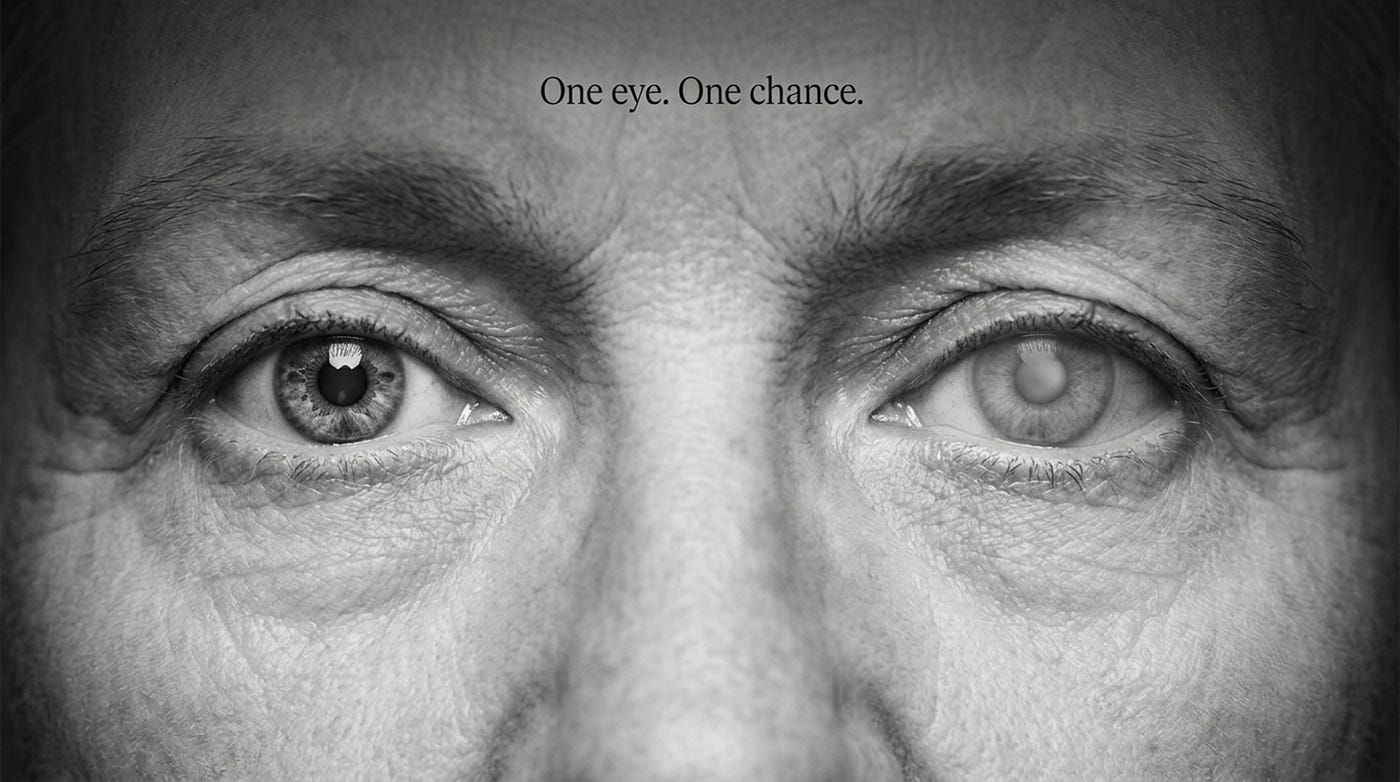
Why Your Fear of Cataract Surgery Is Outdated.
The word “surgery” lands heavily in the stomach. When it involves the eye, the fear multiplies. Many people picture a sharp blade…
Why Your Fear of Cataract Surgery Is Outdated.
The word “surgery” lands heavily in the stomach. When it involves the eye, the fear multiplies. Many people picture a sharp blade approaching the eyeball while they lie awake and helpless. They imagine pain, darkness, and a long, uncertain recovery. These fears are not silly. They are deeply human. But they are also rooted in an outdated picture of what cataract surgery really is. The reality, practiced millions of times a year, is so different from the imagination that patients routinely say afterward, “I wish I had done this years ago.”
Where the Fear Comes From?
The fear of eye surgery is often inherited. Older relatives recall procedures from decades ago, when cataract surgery required large incisions, multiple stitches, and weeks of bed rest with sandbags placed beside the head to prevent movement. These stories, passed down through families, paint a terrifying picture. But cataract surgery has undergone a quiet revolution. The procedure performed today bears almost no resemblance to the one your grandmother may have described.
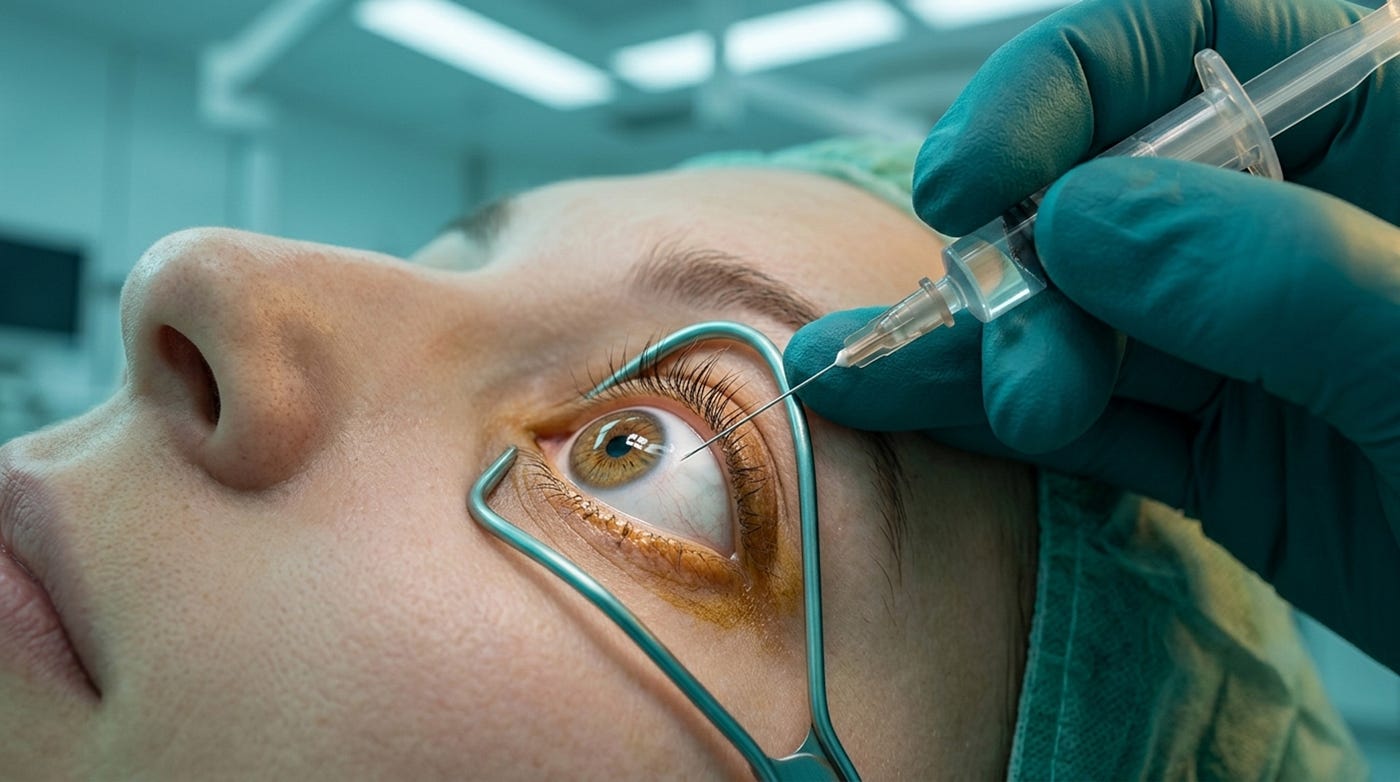
The American Academy of Ophthalmology explains that modern cataract surgery is one of the most commonly performed and safest surgical procedures in the world. More than 99 percent of cases are completed without significant complications. The idea of being awake during the operation also contributes to the fear. Patients imagine they will see instruments coming toward their eye. In reality, the eye is numbed completely with anesthetic drops, and a light sedative keeps the patient relaxed and comfortable. The visual experience is not a sharp, clear view of the surgery. Most people see only a soft, kaleidoscopic light show, if anything at all.
What the Surgery Actually Involves?
Cataract surgery today is a precise, micro-incisional procedure. It does not require a scalpel in the traditional sense, and it does not involve any cutting of the visible surface of the eye. The entire operation happens through a tiny opening at the edge of the cornea, smaller than the tip of a ballpoint pen.
The steps are as follows.
· Anesthetic drops numb the eye completely. No injections around the eye are needed in the majority of cases.
· A micro-incision is created at the corneal edge, which acts as the entry point for the instruments.
· A small, pencil-like ultrasonic probe is inserted. It vibrates at high frequency to break the cloudy lens into microscopic fragments, a process called phacoemulsification.
· The fragments are gently suctioned out, leaving the thin, clear capsule that once held the natural lens.
· A folded artificial intraocular lens, or IOL, is inserted through the same tiny incision. It unfolds inside the capsule and takes the place of the natural lens.
· The incision self-seals because of its precise construction. Stitches are rarely required.
The entire sequence typically takes between ten and twenty minutes. The patient goes home the same day, often within an hour of the procedure. There is no darkness, no pain during the operation, and no dramatic moment of anything sharp approaching the eye.
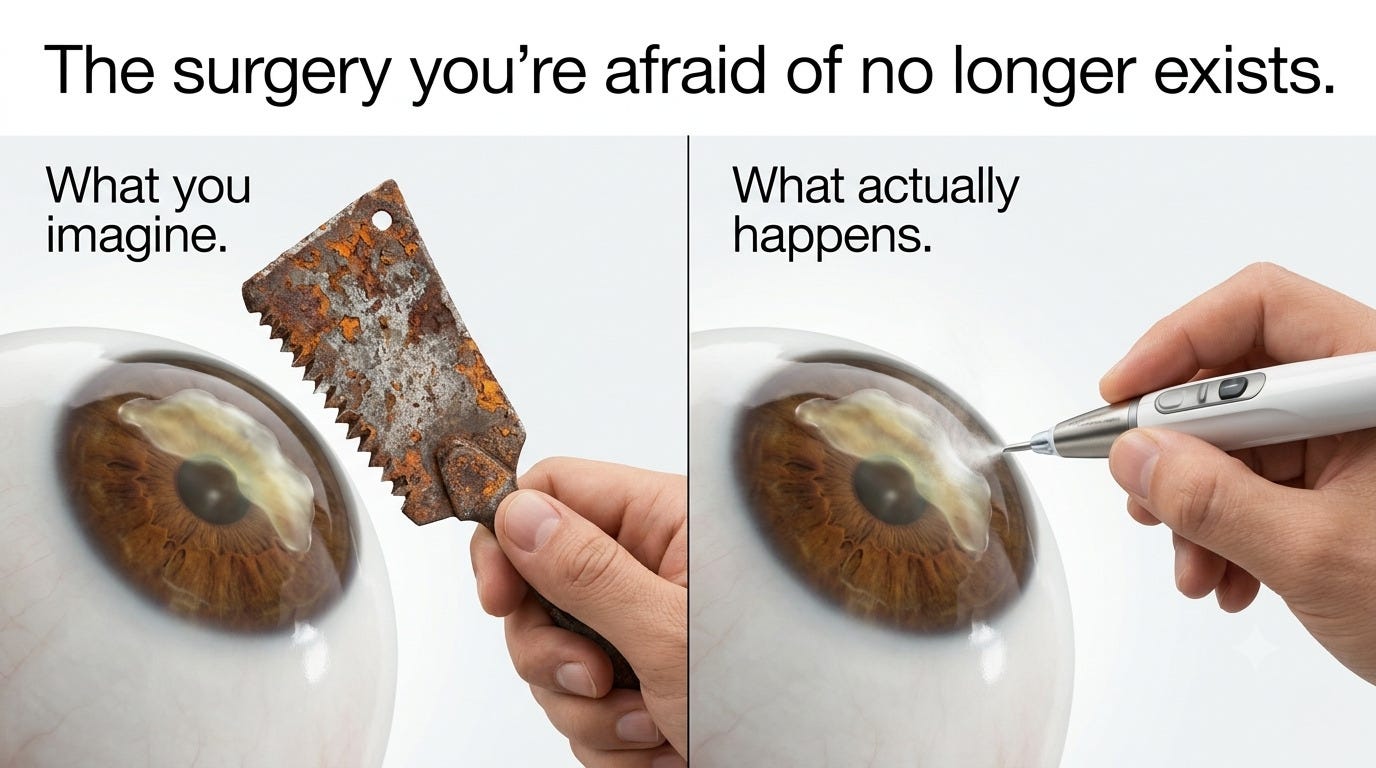
The scary tools were replaced a long time ago.
The Recovery That Surprises Everyone
Most patients are startled by how quickly they recover. There is no bandage over the eye in most modern techniques. A protective clear shield is worn while sleeping for the first few days to prevent accidental rubbing. Vision is often blurry immediately after the procedure, but by the next morning, many people notice a dramatic improvement. Colours appear brighter. Whites look white again. The dim, yellowish veil that had been slowly descending for years is suddenly gone.
The All India Ophthalmological Society notes that patients can usually resume most daily activities within a day or two. Walking, reading, watching television, and using a mobile phone are all permitted. The eye drops prescribed after surgery prevent infection and control inflammation. They are used for a few weeks, tapering according to the surgeon’s instructions. Avoiding dusty environments, heavy lifting, and swimming for a short period protects the healing eye. But the long, frightening recovery that many patients anticipate simply does not happen with modern techniques.
Why the Delay Can Be Costly?
The fear of cataract surgery is not just an emotional burden. It has physical consequences. When patients delay the procedure, the cataract continues to harden. A denser lens requires more ultrasonic energy to break apart, which can make the surgery slightly longer and the recovery a little slower. In advanced cases, a hyper-mature cataract can leak proteins into the eye, causing inflammation or a sudden rise in eye pressure. These complications are avoidable. The safest time to operate is when the cataract is mature enough to cause visual symptoms but still soft enough to remove easily. Waiting until the lens is completely white and rock-hard, a practice still common in some communities, makes the procedure unnecessarily difficult.
Delaying also increases the risk of falls. Poor vision from cataract is a major contributor to hip fractures and other injuries in older adults. The fear of surgery keeps people trapped in a shrinking world, where they stop driving at night, give up reading, and withdraw from activities they once loved. The real danger is not the operation. It is the slow, silent imprisonment that untreated cataract imposes.
What Patients Say Afterward
The most common reaction after cataract surgery is relief, often tinged with regret. Patients frequently tell their doctors that they cannot believe they waited so long. The fear that had built up over years evaporates within a day. The clarity of vision, the return of vibrant colour, and the ease of everyday tasks are so immediately rewarding that the procedure itself becomes a distant, barely remembered moment.
This is not to dismiss the fear. It is real, and it is understandable. But it is based on a version of cataract surgery that no longer exists. The modern procedure is gentle, quick, and designed for comfort. The hardest part of the entire experience, many patients say, is the build-up in their own mind.
The Right Next Step
If you have been told you have a cataract and have been postponing treatment out of fear, take a single step. Book a consultation at Infigo Eyecare Hospital or a trusted eye centre near you. Ask the surgeon to walk you through the procedure step by step. Ask to see the equipment. Ask what you will feel, what you will see, and what the recovery will be like. Knowledge is the antidote to fear. The cataract that is clouding your vision will not improve on its own. But the surgery that removes it is far gentler, far safer, and far quicker than the stories you have been carrying in your head. You deserve to see clearly again, and modern medicine has made it easier than ever.
메타데이터
- post_id
- e03466bda1b8
- slug
- why-your-fear-of-cataract-surgery-is-outdated-e03466bda1b8
- url
- https://medium.com/@aniketmmclayinc/why-your-fear-of-cataract-surgery-is-outdated-e03466bda1b8
- canonical_url
- https://medium.com/@aniketmmclayinc/why-your-fear-of-cataract-surgery-is-outdated-e03466bda1b8
- author_url
- https://medium.com/@aniketmmclayinc
- status
- ok
- fetched_at
- 2026-06-10 22:59:55