Education Website UI/UX Design: Complete Guide to Building Engaging eLearning Platforms in 2026
The digital education industry continues to evolve rapidly, making exceptional education website UI UX design more important than ever…
Education Website UI/UX Design: Complete Guide to Building Engaging eLearning Platforms in 2026
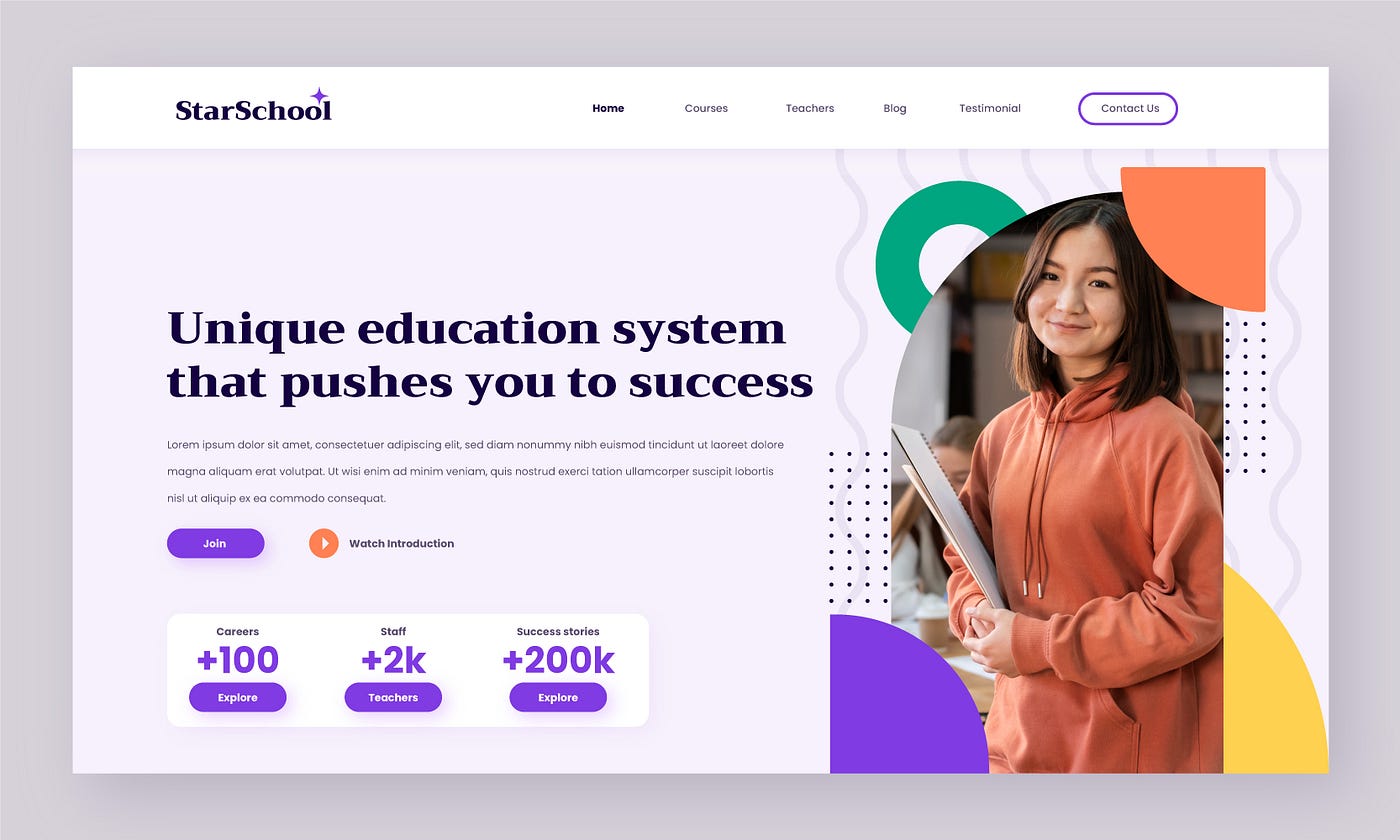
UI UX design for online learning platforms and digital education portals
The digital education industry continues to evolve rapidly, making exceptional **education website UI UX design** more important than ever. Students today expect seamless, interactive, and personalized learning experiences across devices. Whether you’re developing an online academy, university portal, LMS, or EdTech platform, effective design directly impacts student engagement, retention, and course completion rates.
In 2026, successful educational platforms are no longer judged solely by the quality of their content. The user experience plays an equally important role in determining whether learners stay engaged or abandon a course. This guide explores the latest trends, strategies, and best education website UI UX design practices that help create engaging digital learning environments.
Why Education Website UI/UX Design Matters
A well-designed educational platform improves accessibility, simplifies navigation, and helps learners focus on their educational goals. Effective eLearning website design reduces friction throughout the learning journey, enabling students to easily find courses, track progress, and interact with educational content.
Key benefits of strong education website design include:
- Increased student engagement
- Higher course completion rates
- Better user retention
- Improved accessibility
- Enhanced brand credibility
- Increased enrollments and conversions
When learners enjoy using a platform, they are more likely to continue their educational journey and recommend the platform to others.
Understanding the Modern Learner
Modern students access educational content from multiple devices, including smartphones, tablets, laptops, and desktops. As a result, UI UX design for online learning platforms must prioritize flexibility, responsiveness, and accessibility.
Today’s learners expect:
- Mobile-first experiences
- Personalized learning paths
- Fast-loading content
- Interactive learning elements
- Easy communication with instructors
- Progress tracking and achievements
Designing with these expectations in mind creates a more engaging and effective learning experience.
Essential Features of Modern eLearning Website Design
Intuitive Navigation
Educational websites often contain large amounts of information. Clear menus, logical content structures, and powerful search functionality help users quickly locate courses, lessons, and resources.
Personalized Dashboards
Modern learners appreciate customized experiences. Personalized dashboards allow users to:
- View enrolled courses
- Track learning progress
- Access certificates
- Receive recommendations
- Monitor upcoming assignments
A well-designed dashboard improves engagement and encourages consistent learning habits.
Mobile-First User Experience
With mobile learning becoming increasingly popular, responsive eLearning website design is essential. Platforms must provide a consistent experience across all screen sizes without sacrificing functionality or usability.
Interactive Learning Experiences
Interactive elements help learners stay engaged and retain information more effectively.
Examples include:
- Quizzes and assessments
- Interactive videos
- Gamification features
- Discussion forums
- Progress badges
- Live webinars
These features transform passive learning into active participation.
Best Education Website UI UX Design Practices
Following proven design principles can significantly improve educational outcomes and user satisfaction.
Prioritize Accessibility
Educational platforms should be accessible to all learners, including users with disabilities.
Accessibility considerations include:
- Proper color contrast
- Keyboard navigation support
- Screen reader compatibility
- Captioned video content
- Clear typography
Inclusive design expands your audience while creating a better experience for everyone.
Simplify User Journeys
Every click matters. Reduce unnecessary steps between users and their goals.
Examples include:
- Easy course enrollment
- Simple account creation
- Streamlined checkout processes
- Quick access to learning materials
Simplified experiences improve conversion rates and reduce user frustration.
Focus on Content Hierarchy
Educational websites often present complex information. Effective visual hierarchy helps learners understand and prioritize content.
Use:
- Clear headings
- Consistent typography
- Strategic spacing
- Visual cues
- Organized layouts
Well-structured content improves readability and learning outcomes.
Use Data-Driven Design
Analytics help identify user behavior patterns and friction points.
Monitor:
- Course completion rates
- Session duration
- Bounce rates
- User drop-off points
- Engagement metrics
These insights enable continuous UX improvements and better educational experiences.
Emerging Education Website Design Trends in 2026
AI-Powered Personalization
Artificial intelligence is transforming online education through personalized recommendations, adaptive learning paths, and intelligent tutoring systems.
Microlearning Experiences
Short, focused lessons continue to gain popularity because they fit modern attention spans and busy schedules.
Gamification
Gamification increases motivation through rewards, achievements, leaderboards, and interactive challenges.
Immersive Learning
Virtual Reality (VR), Augmented Reality (AR), and interactive simulations are creating richer educational experiences across industries.
Community-Centered Learning
Social learning features such as discussion boards, peer collaboration, and group projects encourage stronger engagement and knowledge sharing.
Common Education Website Design Mistakes to Avoid
Even well-funded platforms can struggle if they overlook fundamental UX principles.
Avoid:
- Overcomplicated navigation
- Slow loading speeds
- Poor mobile experiences
- Excessive content clutter
- Inconsistent design systems
- Weak accessibility standards
Addressing these issues can significantly improve user satisfaction and platform performance.
How Professional UI/UX Design Improves Learning Outcomes
Professional UI UX design for online learning platforms combines educational psychology, usability principles, and modern technology to create meaningful learning experiences.
Benefits include:
- Better student engagement
- Higher retention rates
- Increased course completion
- Improved learner satisfaction
- Stronger educational outcomes
- Greater platform scalability
Organizations that invest in strategic design often see measurable improvements in both user experience and business performance.
Why Choose Devoq Design for Education Website UI/UX Design
At Devoq Design, we specialize in creating modern, conversion-focused educational platforms that deliver exceptional user experiences. Our team combines research-driven UX strategies, intuitive UI design, and scalable development solutions to help educational institutions and EdTech startups succeed in the competitive digital learning landscape.
Whether you’re building an LMS, online academy, university portal, or training platform, our expertise in education website UI UX design ensures engaging experiences that drive student success and business growth.
Conclusion
As digital learning continues to expand, investing in exceptional education website UI UX design is no longer optional. Modern learners expect seamless, engaging, and personalized experiences that support their educational goals.
By implementing the latest best education website UI UX design practices, prioritizing accessibility, embracing personalization, and focusing on learner-centered experiences, organizations can build powerful educational platforms that stand out in 2026 and beyond.
The future of eLearning website design belongs to platforms that successfully combine technology, usability, and educational effectiveness to create meaningful learning experiences for every student.
메타데이터
- post_id
- e065eb484f91
- slug
- education-website-ui-ux-design-complete-guide-to-building-engaging-elearning-platforms-in-2026-e065eb484f91
- url
- https://medium.com/@devoq/education-website-ui-ux-design-complete-guide-to-building-engaging-elearning-platforms-in-2026-e065eb484f91
- canonical_url
- https://medium.com/@devoq/education-website-ui-ux-design-complete-guide-to-building-engaging-elearning-platforms-in-2026-e065eb484f91
- author_url
- https://medium.com/@devoq
- status
- ok
- fetched_at
- 2026-06-10 08:17:25