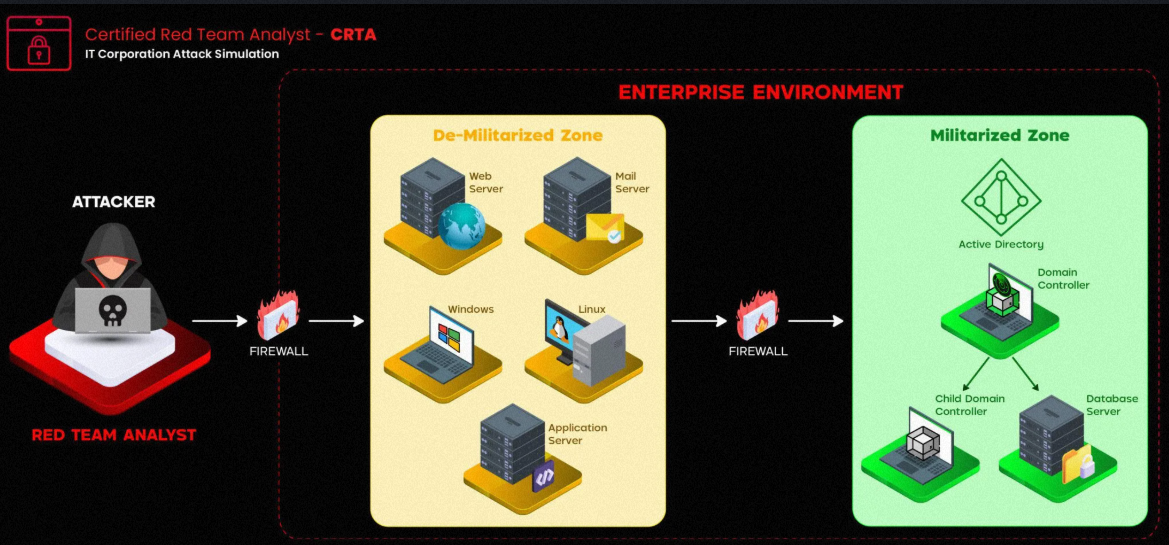
The Rise of Purple Teaming in Modern Cyber Security
In recent years, organizations have realized that the traditional split between Red Teams (attack) and Blue Teams (defense) is no longer…
The Rise of Purple Teaming in Modern Cyber Security

In recent years, organizations have realized that the traditional split between Red Teams (attack) and Blue Teams (defense) is no longer effective on its own. Modern threats move rapidly across applications, networks, endpoints, identities and cloud environments. To keep up, many have adopted the **purple team cyber security** approach.
Purple Teaming brings offensive and defensive teams together in a collaborative process. Red Teams simulate real-world attack techniques, while Blue Teams monitor, detect and respond in real time. The insights gained are then used to improve defenses, strengthen detection capabilities and continuously enhance the organization’s overall security posture.
Understanding the Purple Team Approach
The Purple Team’s purpose is not to replace Red or Blue operations, but to ensure both teams collaborate effectively. Instead of conducting isolated penetration tests or SOC monitoring, Purple Teams work to:
- Emulate real adversary behaviors.
- Validate defensive monitoring and detection logic.
- Identify detection gaps and improve response processes.
- Enhance security controls through repeatable testing.
This approach aligns with MITRE ATT&CK and MITRE D3FEND, creating structured and measurable security maturity improvements.
Certified Purple Team Analyst (CPTA): Hands-On Skill Development
The Certified Purple Team Analyst (CPTA) program by CyberWarFare Live focuses on training security professionals to understand both offensive and defensive operations.
Core Skill Areas Covered:
- Adversary Simulation across Web, Network, Host and Active Directory.
- Detection Engineering with SIEM, OSQuery, EDR endpoint visibility, and network telemetry.
- Threat Hunting and Incident Investigation based on real attack behaviors.
- Security Control Validation to ensure defenses are effective, not just present.
Learners operate in realistic cyber-range environments, applying each skill in practical scenarios and validating outcomes through assessments.
Cyber Security Engineer Pathway
CyberWarFare Live provides a complete learning ecosystem for developing skilled cyber security professionals. The platform offers multiple specialization tracks including “Red Teaming, Blue Teaming, Purple Teaming, Cloud Security, DevOps Security, Kubernetes Security, Evasion & Exploitation, and Ethical Hacking”. Each track is built with hands-on labs, real-world simulation environments and structured progression for skill development.
Within this ecosystem, the **Cyber Security Engineer** pathway focuses on designing, deploying and maintaining secure infrastructures across on-premise and cloud environments.
Core Responsibilities of a Cyber Security Engineer:
- Implementing secure configurations for networks, systems, and cloud platforms.
- Enforcing identity and access controls, including privileged access management.
- Deploying and managing security monitoring tools such as SIEM, EDR and WAF solutions.
- Performing ongoing risk assessments, vulnerability management, and security hardening activities.
While purple team cyber security professionals evaluate and enhance detection and defensive readiness, Cyber Security Engineers are responsible for building and operationalizing those security controls. Both roles complement each other and are essential for establishing a mature and effective cyber defense capability.
Why Both Roles Are Critical Today
- Attack techniques evolve rapidly; defenses must evolve just as fast.
- Hybrid and cloud infrastructure increase identity and privilege escalation risks.
- Detection must move from responding after incidents to preventing escalation.
- Organizations need continuous validation, not once-a-year audits.
Purple Teaming ensures continuous improvement, while Cyber Security Engineering ensures stable and resilient defense foundations.
Frequently Asked Questions (FAQ)
1. What is the main difference between Red, Blue and Purple Teams?
- Red Team: Simulates attacks and adversary behavior.
- Blue Team: Detects, responds and defends against attacks.
- Purple Team: Bridges both, ensuring collaboration and continuous improvement.
2. Do I need prior Red or Blue Team experience to take the CPTA course?
Not necessarily. While foundational security knowledge is helpful, CPTA is structured to introduce offensive techniques and defensive detection workflows step-by-step.
3. Who is the CPTA certification ideal for?
SOC Analysts, Threat Hunters, Red Teamers, Detection Engineers, Incident Responders, and anyone transitioning to Purple Team or detection-focused roles.
4. How is CPTA different from penetration testing courses?
Penetration testing focuses mainly on exploiting systems. CPTA focuses on exploiting + detecting + improving defenses a complete attack-defense lifecycle.
5. Can I use CPTA skills in cloud security environments?
Yes. The detection engineering and adversary simulation skills taught in CPTA apply to cloud and hybrid environments, especially for identity, endpoint and network monitoring.
6. What makes CyberWarFare Live different from other cybersecurity training platforms?
CyberWarFare Live focuses on real-world, hands-on learning through cyber ranges and scenario-based labs. Instead of theoretical instruction, learners gain practical experience by simulating real attack and defense operations across enterprise and cloud environments.
7. Do I need prior experience to start learning on CyberWarFare Live?
No. The platform offers structured learning paths for beginners to advanced practitioners. Learners can start with foundational modules (Ethical Hacking / Blue Team Basics) and progress to advanced areas such as Red Teaming, Purple Teaming, Cloud Security or Evasion and Exploitation.
Conclusion
The demand for stronger and more adaptive security strategies continues to grow. Purple Teaming bridges the gap between offensive testing and defensive readiness, making it a valuable capability for modern organizations. The purple team cyber security program helps learners gain these practical, collaborative skills while CyberWarFare provides the hands-on training environment needed to apply them effectively. With the right guidance and real-world practice, teams can detect threats sooner, respond faster and build a more resilient security posture.
메타데이터
- post_id
- e09a8dbb7e9f
- slug
- the-rise-of-purple-teaming-in-modern-cyber-security-e09a8dbb7e9f
- url
- https://medium.com/@jacobwilsonusa1/the-rise-of-purple-teaming-in-modern-cyber-security-e09a8dbb7e9f
- canonical_url
- https://medium.com/@jacobwilsonusa1/the-rise-of-purple-teaming-in-modern-cyber-security-e09a8dbb7e9f
- author_url
- https://medium.com/@jacobwilsonusa1
- status
- ok
- fetched_at
- 2026-09-12 01:12:21