Dagashi Diaries #11: Mochitaro — The Snack With Exactly One Peanut
Mochitaro costs ¥20 (about $0.13). Inside the bag: fried rice crackers — age arare — lightly salted, and somewhere in there, a single…
Dagashi Diaries #11: Mochitaro — The Snack With Exactly One Peanut
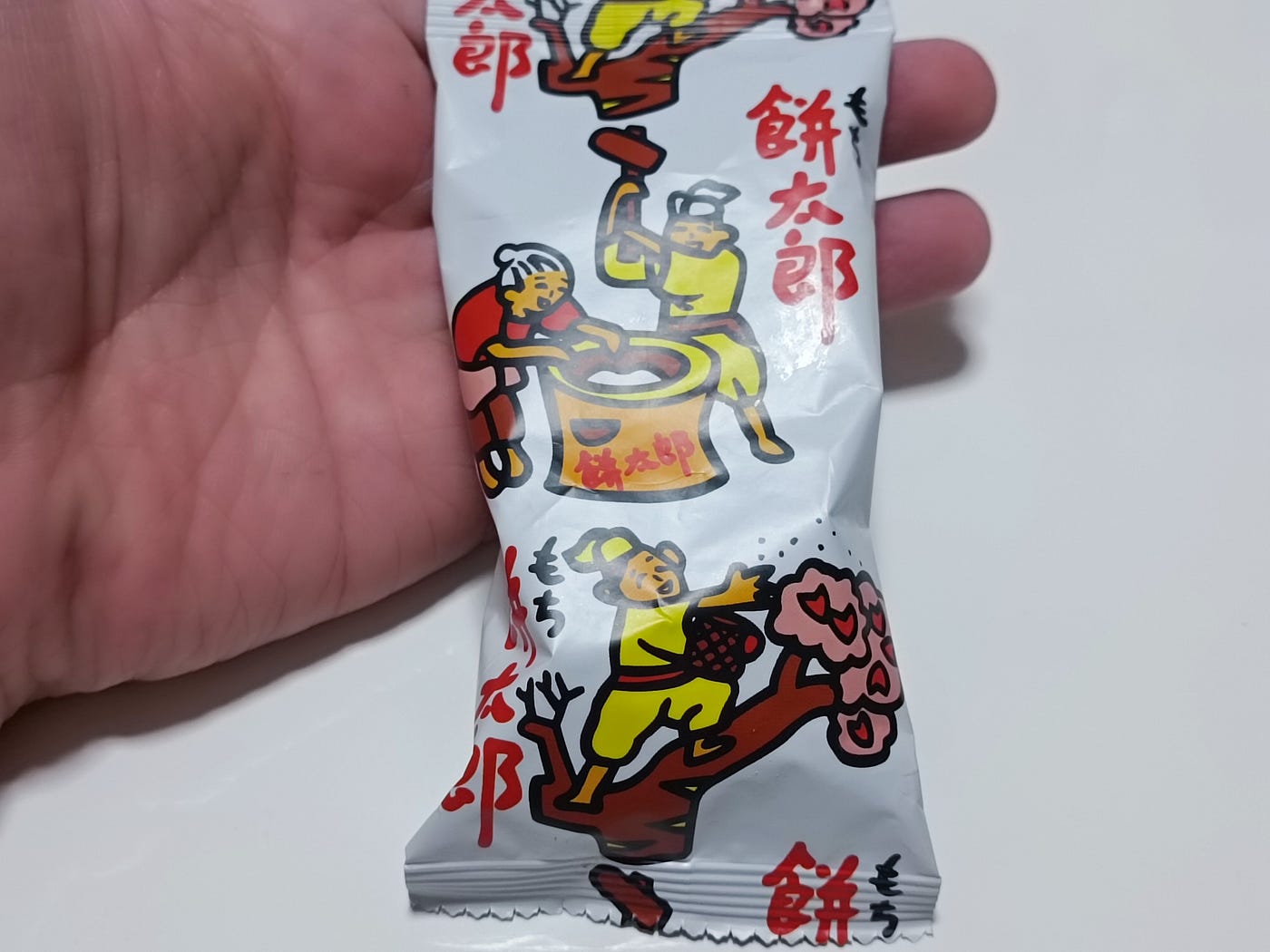
Mochitaro costs ¥20 (about $0.13). Inside the bag: fried rice crackers — age arare — lightly salted, and somewhere in there, a single peanut. One. The number is not an accident or a cost-cutting measure. It is, as far as anyone can tell, the point.
Made by Kado Co., Ltd. in Ibaraki Prefecture and sold by Yaokin — the same distribution partnership behind Yakiniku San-Taro and Umaibo — Mochitaro has been a fixture of Japanese dagashi culture for decades.
THE PACKAGING SITUATION
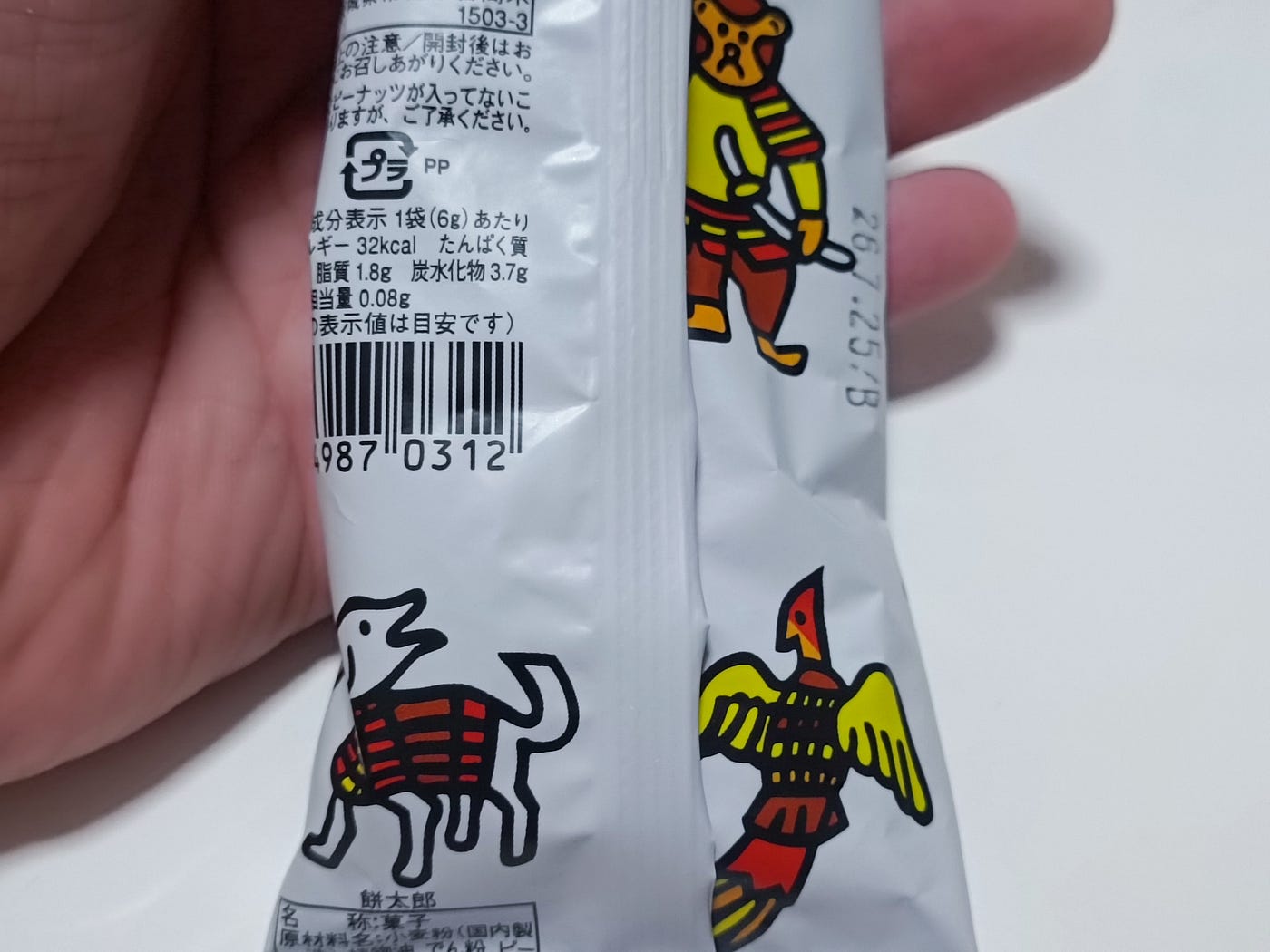
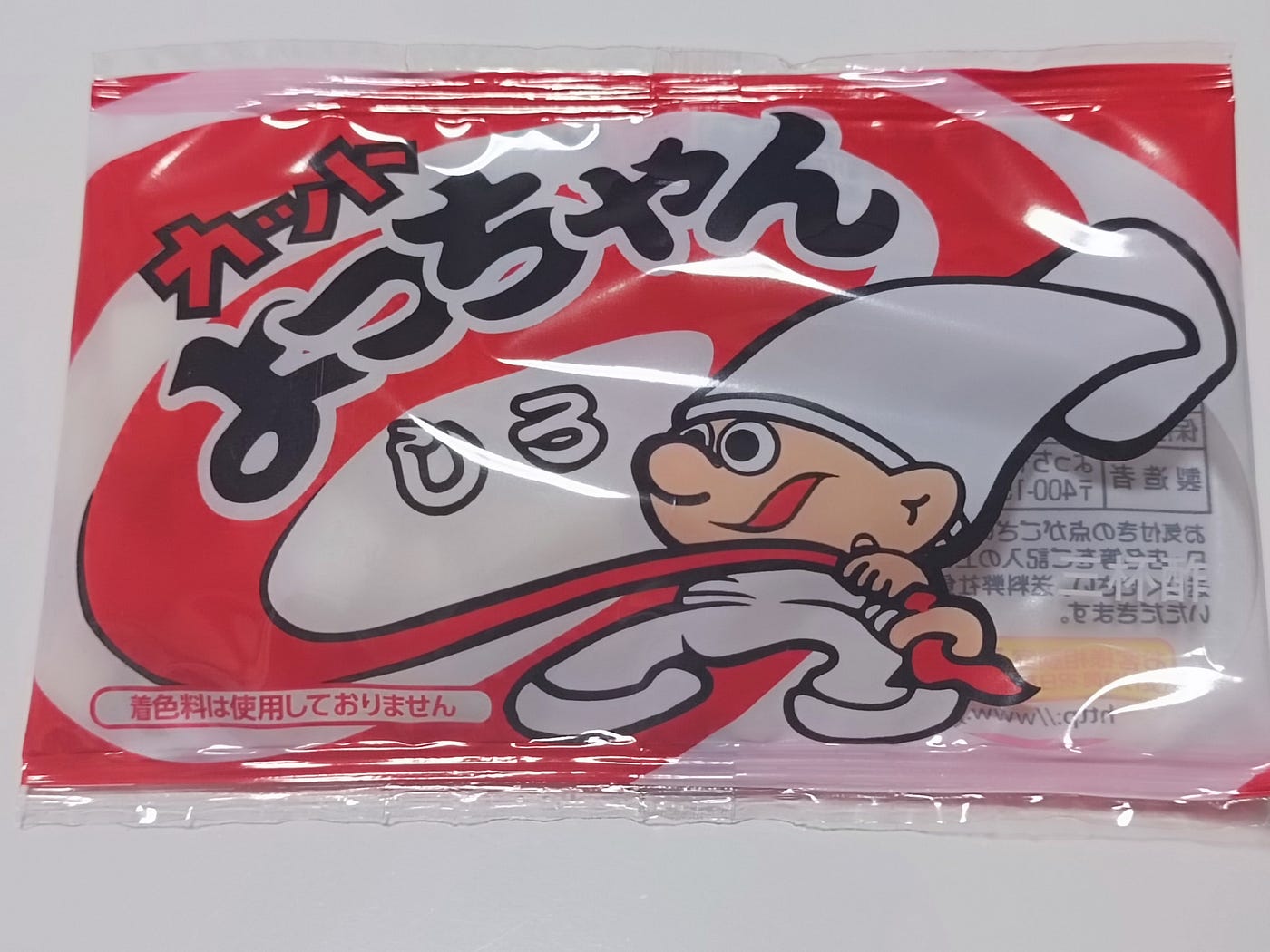
The front of the bag shows an elderly couple pounding mochi — a scene that suggests the folktale of Hanasaka Jiisan, the old man with the flower-blooming dog. Turn the bag over and you find Momotaro’s three companions: the dog, the monkey, and the pheasant. No Momotaro. No Hanasaka Jiisan. Just the supporting cast from two separate folktales, occupying different sides of the same ¥20 bag, never explained.
This is either a deeply considered piece of dagashi design philosophy or something that happened a long time ago and nobody has questioned since. Either way, it works.
THE CRACKER
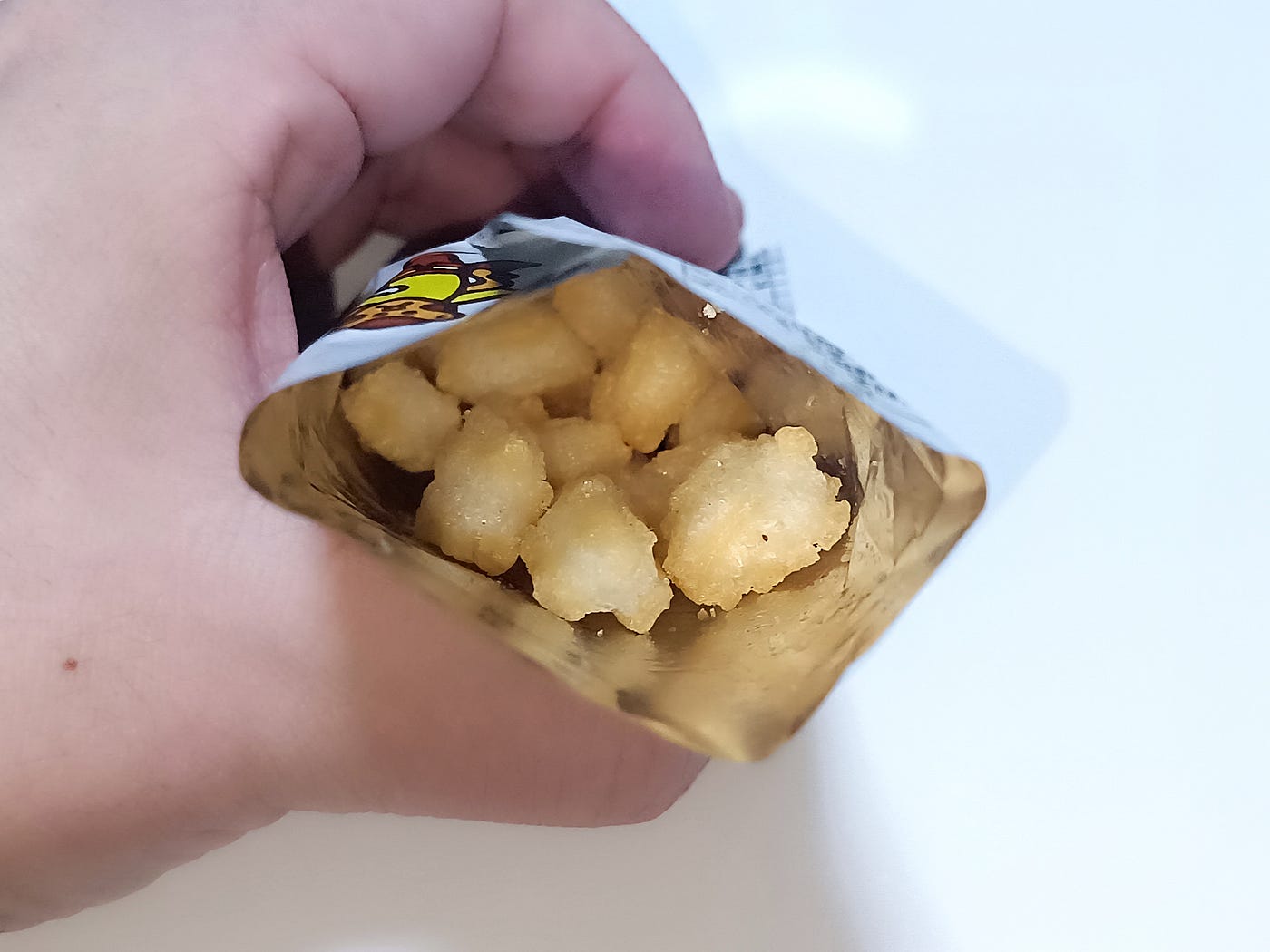
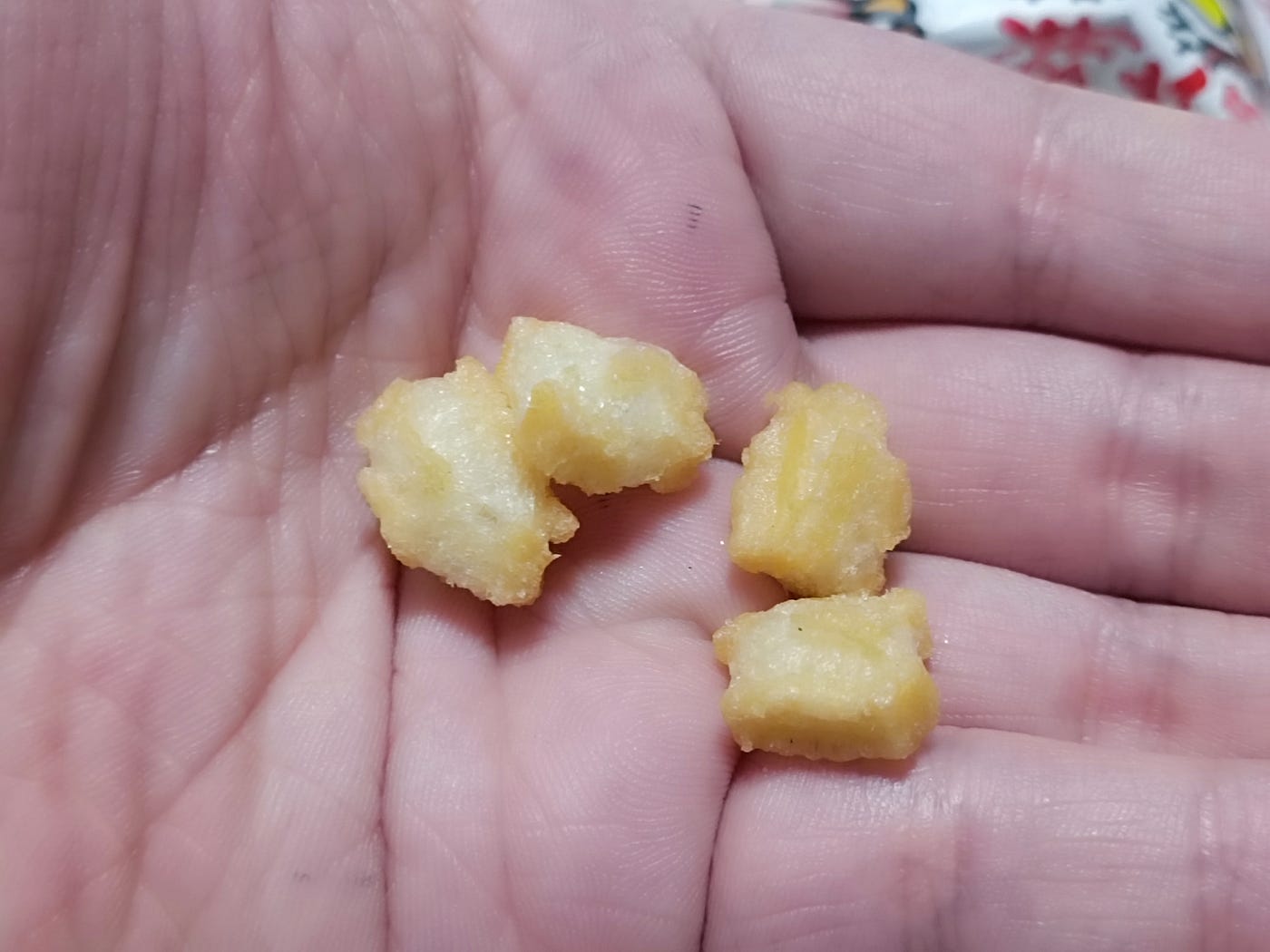
The age arare are small, light, and fried — exactly what the name promises. The first crunch is clean and airy, and then the salt arrives and stays. A slight oiliness follows, which is honest about what fried crackers are. Nothing here is surprising. The flavour is straightforward salt, the texture is straightforward crunch, and the whole thing disappears quickly enough that you reach back into the bag before registering that you’ve finished one.
After a full bag, a mild thirst sets in. The salt accumulates.
THE PEANUT
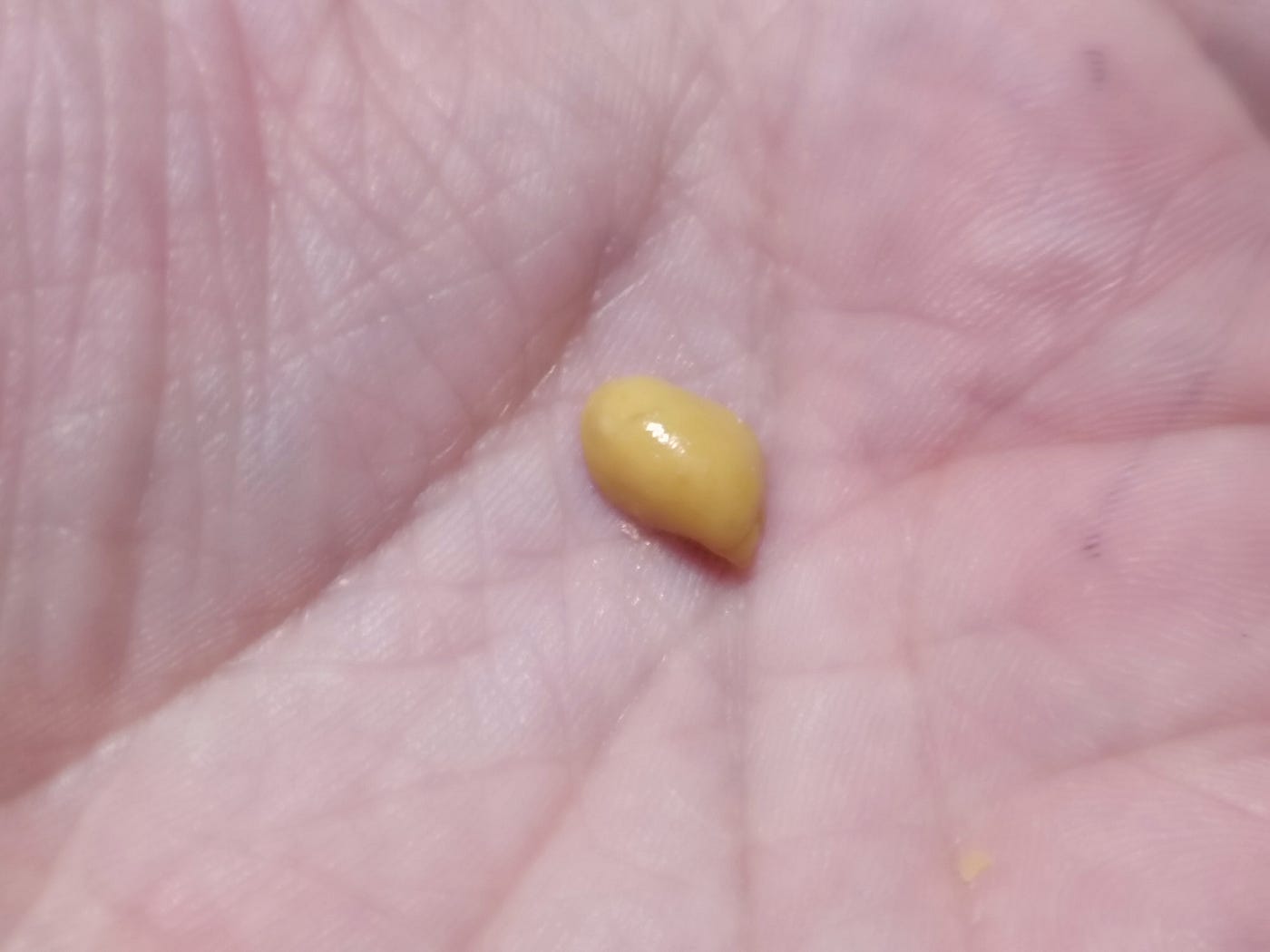
The peanut is the same colour as the crackers. It is the same approximate size as the crackers. It is salted, like the crackers. Finding it requires either luck or paying more attention than a ¥20 snack typically demands.
The first time through the bag, the peanut was eaten without being noticed — or rather, half of it was. The remaining half appeared at the bottom of the bag at the end, by which point it had become the most interesting thing about the entire eating experience. A whole peanut in a bag of crackers is ordinary. A single half-peanut discovered at the bottom, after the fact, is something else entirely.
The back of the bag notes, in small print, that some bags may not contain a peanut at all. This disclaimer exists. Mochitaro acknowledges the possibility.
Other arare products include several peanuts per bag as a matter of course. Mochitaro includes one — or, occasionally, half — and somehow this restraint makes the peanut more significant than it would be in any other context.
A NOTE ON EATING METHOD
The crackers are small and the oil transfer is real. Opening the bag and tipping the contents directly into the mouth is cleaner than picking pieces out by hand. The bag is the right size for this. At ¥20, the whole operation takes about ninety seconds and leaves no mess.
Mochitaro is available at dagashi shops, convenience stores, and supermarkets across Japan. ¥20 per bag (about $0.13 at April 2026 rates). Made by Kado Co., Ltd., Ibaraki Prefecture. Sold by Yaokin.
메타데이터
- post_id
- e12337464c38
- slug
- dagashi-diaries-11-mochitaro-the-snack-with-exactly-one-peanut-e12337464c38
- url
- https://medium.com/@hiro3714/dagashi-diaries-11-mochitaro-the-snack-with-exactly-one-peanut-e12337464c38
- canonical_url
- https://medium.com/@hiro3714/dagashi-diaries-11-mochitaro-the-snack-with-exactly-one-peanut-e12337464c38
- author_url
- https://medium.com/@hiro3714
- status
- ok
- fetched_at
- 2026-06-21 20:33:08