The Black Box of Music Streaming
Algorithms, artist pay, and the quiet takeover of AI-generated music
The Black Box of Music Streaming

https://soundcloud.com/kristian-llov/technologic-edit-7
Turkish Competition Authority Fine
In early 2026, the Turkish Competition Authority fined Spotify approximately $185,000 for obstructing an on-site audit. The inspection team was unable to access requested individuals and documents throughout a nine-hour period. The preliminary investigation had been launched following allegations of discrimination among artists and content creators, primarily around visibility, and practices that hinder competitors in the online music streaming market.
Türkiye is not a small market. With a population of 85 million, it ranks as one of the largest global markets for domestic music consumption, second only to India. And still, Spotify did not cooperate with regulators.

Chart: Spotify Top 200 – Local vs. International artists across 73 countries (12-month analysis) Source: Skoove Blog (2025) https://www.skoove.com/blog/spotify-local-vs-global-music/
The Case for Smaller Markets
If a platform resists transparency in a market of this size and leverage, what does that mean for smaller markets?
I was at a small private event in Sri Lanka when I first noticed this. I started talking to some local artists I wanted to follow and listen to. They all said their music was on Spotify, with a kind of disgust, to be precise. They were on Bandcamp, sometimes SoundCloud. And they were complaining about the music market.
Spotify pays artists between $0.003 to $0.005 per stream, and until a track reaches 1,000 streams, the artist receives nothing at all. Since artists also pay distributors just to appear on the platform, for many independent creators it is simply a losing proposition. This threshold alone demonetizes roughly 86% of music on the platform.
The Association of Independent Music Publishers and Producers Bulgaria has raised concerns that this 1,000-stream threshold is negatively affecting nearly two-thirds of independent artists and labels in Southeast Europe, particularly those with large back catalogs.
From my own listening experience, niche genres like psycore and witch house, I frequently come across tracks with very few streams. For artists in these genres, even 10,000 streams might be above average. That means almost no financial return.
The Algorithm
Academic research from 2024 reveals that Spotify's recommendation system tends to over-recommend popular Western music, systematically pushing niche and local content to the margins.
Markets with strong local listening create natural resistance to this. Türkiye, with 85 million people and one of the highest domestic music consumption rates globally, has that leverage. Sri Lanka, with 22 million people and a smaller digital footprint, does not.
But are smaller markets really that powerless? Uruguay, a nation of just 3.5 million people, successfully passed legislation in 2023 requiring equitable remuneration for artists, forcing Spotify to adjust its policies despite initial threats to exit the market.
Fairness and Transparency
The demand for transparency in music streaming algorithms is becoming a legal necessity. The EU's Digital Services Act (2024) requires platforms to disclose their main parameters and offer non-personalized feeds, paving the way for independent algorithmic audits. In Türkiye, the Draft Digital Copyright Law submitted to the Grand National Assembly on December 12, 2025 mandates transparency reporting and fair revenue sharing for very large online platforms. Platforms exceeding 10 million monthly users in Turkey that fail to comply face administrative fines of up to 5% of their annual Turkish revenue.
Alternative Platforms
Deezer offers artists a relatively competitive payout rate of $0.0064 per stream. Bandcamp allows artists to retain approximately 82% of revenue. SoundCloud's fan-powered royalty model rewards niche and independent creators more fairly, though payouts are not the highest. Spotify is not a monopoly.
These are not perfect solutions, but they are better than none.
The AI-Generated Music Problem
Alongside the payment structure, there is another problem that has been growing quietly in the background. AI-generated music is now flooding streaming platforms at a scale that is difficult to fully comprehend.
Sienna Rose, an AI artist, has 4 million monthly Spotify listeners. Rose is the creation of Nostalgic Records, an AI-only label behind several successful AI-generated artists. If Rose continues at its current level of popularity, Nostalgic will make more than $1 million off its music this year. Suno, the dominant generative AI music platform, continues to see explosive growth, adding millions of active users and reaching a multibillion-dollar valuation. AI-generated songs now make up nearly 40% of music uploaded to streaming services daily. In one study, only 3% of respondents could reliably distinguish between AI-generated and human-made music. As of late January, six of Spotify's top 50 trending songs in the United States were fully AI-generated.
Suno currently generates 7 million songs per day. If every one were uploaded to Spotify, within a year human-made music would constitute less than 4% of the platform's catalog.
Sienna Rose has released 37 songs since September, a rate of productivity that no human artist could sustain. Even the famously prolific and well-resourced Taylor Swift took two years to release roughly the same number of songs across her last two studio albums.
AI-generated music can hit the 1,000-stream threshold easily, diverting royalties, playlist spots, and listeners away from human artists. For independent creators already struggling with visibility, this compounds an already difficult situation.
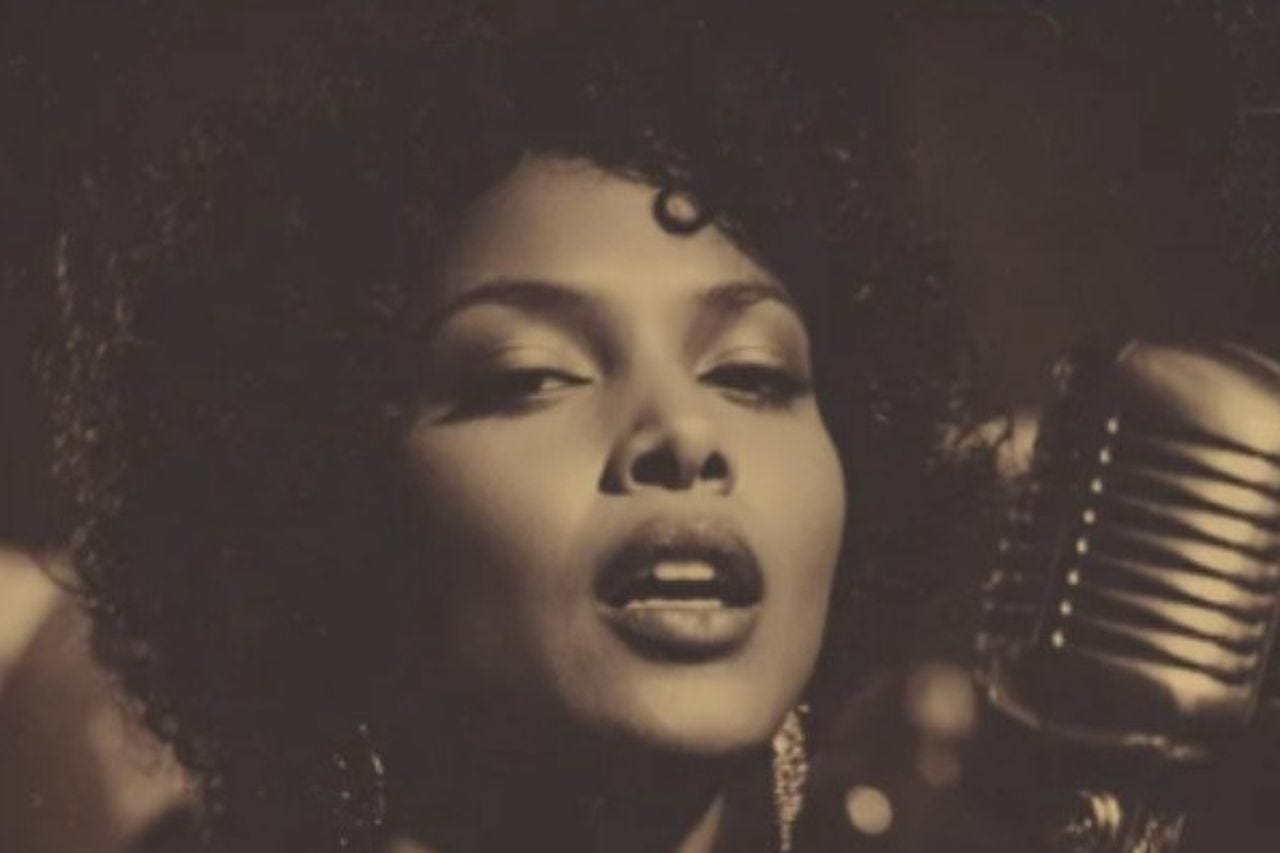
The Mystery of Sienna Rose: Neo-Soul Singer with Millions of Listeners Allegedly a Product of AI https://voi.id/en/amp/551867
What Platforms Are Doing
Some platforms are beginning to act. YouTube renamed its repetitious content policy to "inauthentic content" in July 2025, directly targeting mass-produced AI-generated videos. By January 2026, the platform had removed 16 channels with a combined 4.7 billion views in a single enforcement wave.
On March 23, 2026, Deezer launched its revamped Deezer for Business platform, which includes proprietary AI detection technology as a commercially licensed service. It is currently the only major streaming platform actively detecting and labeling AI-generated content. In January 2026 alone, it identified approximately 60,000 fully AI-generated tracks per day, representing 39% of all daily uploads, with up to 85% of streams on that content flagged as fraudulent and removed from the royalty pool. Deezer has already started licensing this technology to collecting societies such as France's Sacem and Hungary's EJI.
Bandcamp has decided to ban AI-generated music altogether.
Spotify, for its part, has announced steps toward transparency, but the commitments have been vague. The company has said it will rely on artists and record labels to self-disclose whether a song is AI-generated and plans to list those disclosures in song credits. As of now, there is no evidence of AI labels anywhere on the platform.
Apple Music has yet to take any stance at all.
Closing
AI-generated music should be clearly labeled as such. Presenting it as human-made is neither ethical nor fair to the people who make music for a living. Listeners deserve to know what they are hearing and to make that choice for themselves.
The tools for change already exist. Uruguay demonstrated that even a small market can hold a major platform accountable. The EU and Turkiye are building legal frameworks that could set meaningful precedents. Deezer has proven that AI detection at scale is technically feasible.
What is still missing is the will to treat artists, not just listeners or advertisers, as stakeholders worth protecting. Regulators should ensure that a meaningful share of platform revenue reaches the people who actually create the music. Until then, the algorithm remains a black box, and independent artists remain on the outside of it.
Main References:
https://www.latimes.com/opinion/story/2026-02-18/spotify-ai-generated-music
Taxing tech: How do digital services levies differ across Europe — Euronews Spotify isn't your friend — New School Free Press Spotify's 1,000-stream threshold criticised by Southeast European indie labels — Music in Africa Spotify per-stream rate FAQ — Loud & Clear by Spotify Spotify local vs global music — Skoove Spotify won't be pulling its service from Uruguay — Music Business Worldwide Rekabet Kurulu'ndan Spotify'a idari para cezası — T24 Deezer launches revamped Deezer for Business platform — Music Business Worldwide
메타데이터
- post_id
- e17bc3f73279
- slug
- the-black-box-of-music-streaming-e17bc3f73279
- url
- https://medium.com/@deryakokaragac/the-black-box-of-music-streaming-e17bc3f73279
- canonical_url
- https://medium.com/@deryakokaragac/the-black-box-of-music-streaming-e17bc3f73279
- author_url
- https://medium.com/@deryakokaragac
- status
- ok
- fetched_at
- 2026-06-27 23:56:40




