The Silent ‘A’
more About Me — my geography, that is
The Silent ‘A’
more About Me — my geography, that is
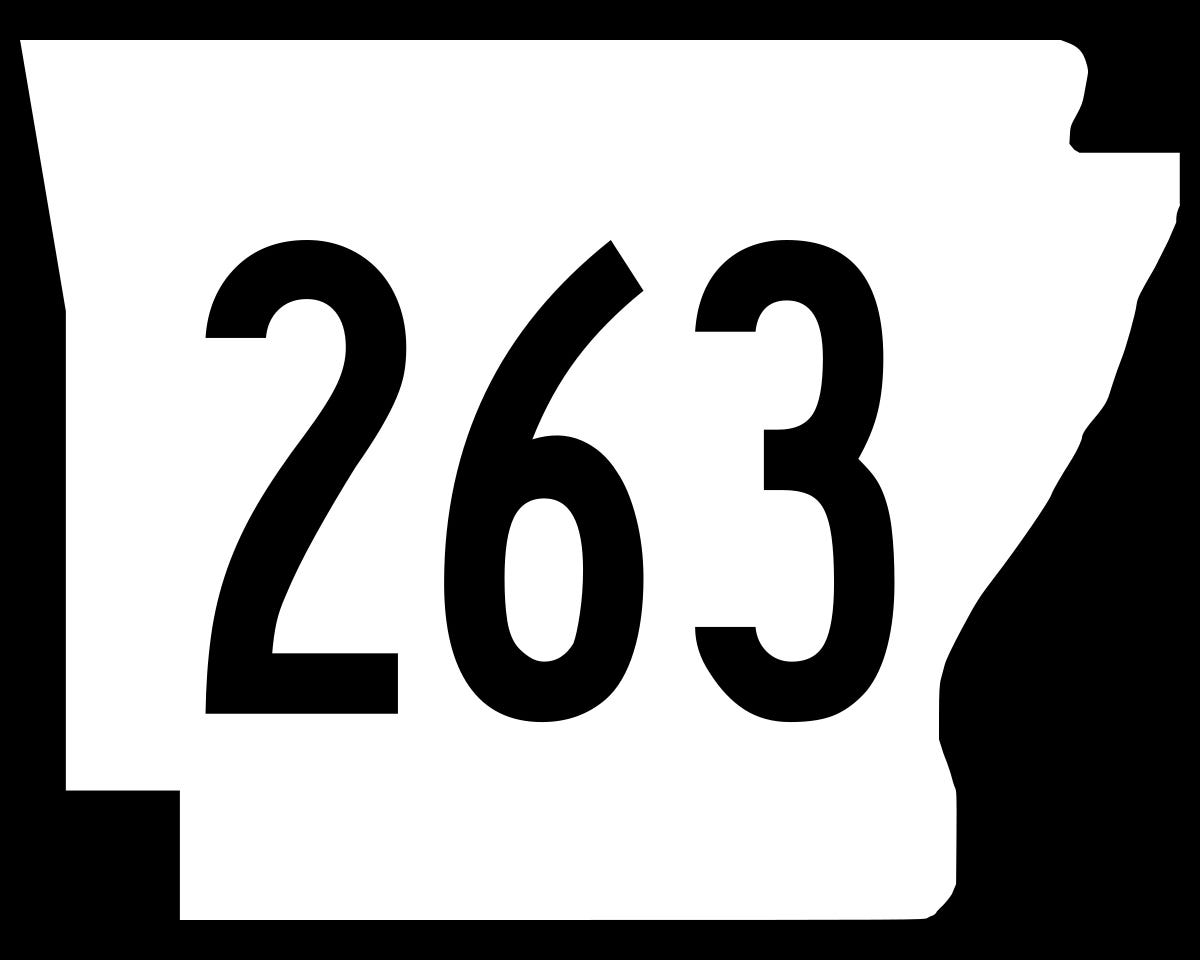
image owned by author
[Note: my original ‘About Me Story’ was published in this publication on May 3, 2025. Here’s a LINK.]
I live in the USA state of Arkansas. It’s a weird state in many ways. Since I’m rather weird myself, I tend to fit right in.
Some weirdness examples:
Place names that are numbers: We have two towns whose names are numbers:
-
The small community of Fifty-Six, which has a population of only about 400, although it is an ‘incorporated community.’ (It was named for the school district it was in at the time of its formation, though that school district is long since gone.)
-
The unincorporated community of Number Nine. The population is uncertain, as it’s not a ‘designated census location,’ but has been estimated at around 200. (And no it’s not named for the Beatles’ song of the same name. It fact, it was named for a particular size of cotton gin, and was located in one of the foremost cotton-raising areas of the State back when cotton was a big deal.)
County Seats whose names are not those of the counties they’re the seats of: Huh? What the heck does that mean? Bear with me and I’ll explain.
-
Searcy is the county seat of White County. There is also a Searcy County, about two hundred miles away, the county seat of which is Marshall.
-
Yellville is not the county seat of Yell County, which is a long way away.
-
Perry is not the county seat of Perry County, though for a change it is in that county.
-
Van Buren is the county seat of Crawford County. The county seat of Van Buren County, about a hundred miles away, is Clinton, which, no, is not named for Bill, nor the other way around.
Creeks and towns that have cross-pollinated names:
-
The town of Greenbrier and the town of Batesville are about an hour apart. But . . .
-
Batesville Creek is only ten miles from Greenbrier, and
-
Greenbrier Creek is only five miles from Batesville.
There was once a yellow warning sign northbound on State Highway 107, a few miles north of Little Rock, just before a creek crossing, which read, and I kid you not, “Bridge may be icy when slippery.” It has since been taken down and replaced by one that says, “Bridge freezes before roadway.” Huh? The bridge is not part of the roadway? Oh, well. At least it almost makes sense now.
There’s a huge bend in the Arkansas River about two thirds of the way from Little Rock to the Oklahoma border. It used to be the end of the navigable waterway going east (before all the dams were put in). So when people of French descent living along the river would answer the question, “How far can we go upstream?” they would answer ‘aux arc,’ that is, ‘to the bend.’ But in French, of course, the words ‘aux arc’ are pronunced ‘Ohz Ark,’ or, more properly ‘Oh-Zark.’ Which is how the Ozark Plateau got its name. (There’s still an ‘Aux Arc Park’ in the town of Ozark, which is located at ‘the bend.’)
Enough of the examples of the weirdnesses (and speaking of pronunciation issues). On to what this essay is actually about: the weirdness I live in the middle of, namely the town of Onia, which is the only English word I can think of that ends with a silent ‘A.’ (It’s pronounced OH-nee. Two syllables.) Believe it or not, with a population of 114 people, it has its own totally unique Zip Code! Talk about wasteful!
One would tend to wonder how a town got a weird name like that. At least, I wondered, and here’s the story. (I’m telling this in my own words, in my own way, but it’s based on verifiable historical fact.)
Along State Highway 263, just a few miles north of the town of Timbo (which was supposed to be called ‘Jimbo,’ but which was misspelled by a State file clerk in being recorded, because the initial ‘J’ looked more like a ‘T’ on the handwritten application, filled out by a guy named Jimbo, who thought he was naming the town for himself) there’s a small community that until about 1840 or so had no name, though there were a couple of dozen families living there, and even a church. At one point they decided to name the town, but couldn’t agree on a proper sort of town name. So the pastor of the church got a great idea: they would have a raffle, to raise money for the church. Three little eight-year-old girls in the church would have a contest, to see which one could sell the most raffle tickets. The town would be named for whichever of the three girls sold the most tickets. Simple.
The names of the other two girls are lost in history, but the name of the winner was Ona Jackson. (Pronouced ‘OH-nuh.’) But she didn’t ‘go by’ her real name. She had a nickname, which was never written down, only spoken. It was pronounced ‘OH-nee.’ (I’ll bet you can see where this is going.)
OK, fine, so the girl’s dad travels to Little Rock, to register the town’s new name at the State Capitol Building there. (Arkansas had been a state since 1836.)
The clerk says, “What’s the name of your new town?”
“Well, that’s a problem,” says the dad. “The town is to be named for my daughter. Her name is legally Ona, but we all call her ‘OH-nee.’ Since she won the contest to name the town, and since we’ve all agreed to name the town for her, we think we should call the town by the same nickname that we call her by, not her legal name.”
“So how do you spell her nickname?”
“Well, that’s the real problem here, don’t you see? Nobody has ever written it down. We just say it. I don’t think there is a correct spelling.”
“Then why don’t you name the town for her real name. Ona.”
“But no one would have any idea who we were talking about. We never call her that.”
“OK, then, say her nickname again. I’ll figure something out.”
“’OH-nee.’”
So the clerk writes down something. The dad can see that she has written O-N-I-E, which does of course make a certain kind of sense. But he also thinks it can’t possibly be right. So he says so. “But here name ends in ‘A,’” he says.
So the clerk changes it from ‘Onie’ to ‘Onia,’ and records it. That’s been the town’s name ever since. But everybody still says ‘OH-nee.’” Including me.
You can tell whether someone is from around here or not by how they say it. If they say ‘OH-nee-uh’ or ‘ON-ee-uh,’ you know they’re strangers. I don’t want to be a stranger, so I say it right.
Strange, yes. Stranger, no.
메타데이터
- post_id
- e1865ebe22b4
- slug
- the-silent-a-e1865ebe22b4
- url
- https://medium.com/about-me-stories/the-silent-a-e1865ebe22b4
- canonical_url
- https://medium.com/about-me-stories/the-silent-a-e1865ebe22b4
- author_url
- https://medium.com/@legendkeeper21
- status
- ok
- fetched_at
- 2026-08-03 21:38:39