What Is THC? Effects, Benefits & How It Works
What Is THC?
What Is THC? Effects, Benefits & How It Works
What Is THC?
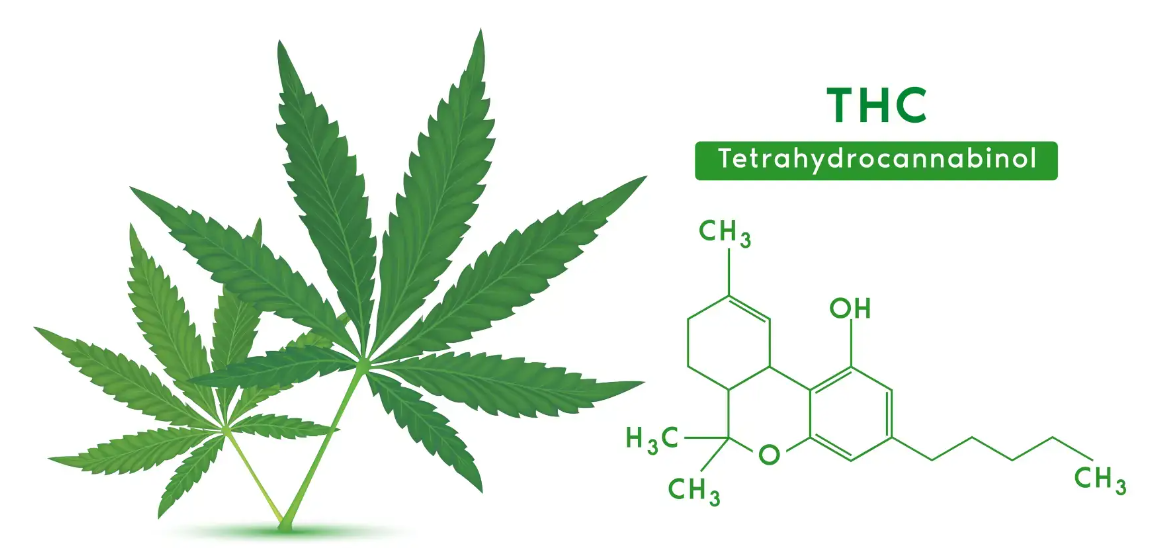
THC (delta-9-tetrahydrocannabinol) is one of over 100 cannabinoids produced by the cannabis plant. It is classified as a psychoactive compound because it alters brain function, resulting in changes to perception, mood, consciousness, and behavior. THC is produced in the trichomes — tiny, mushroom-shaped glands found primarily on the flowers and leaves of female cannabis plants.
In its raw form on the plant, THC exists as THCA (tetrahydrocannabinolic acid), which is non-psychoactive. Heat converts THCA into active THC through a process called decarboxylation, which is why cannabis must be heated (smoked, vaped, or cooked) to produce psychoactive effects.
How THC Works in the Brain
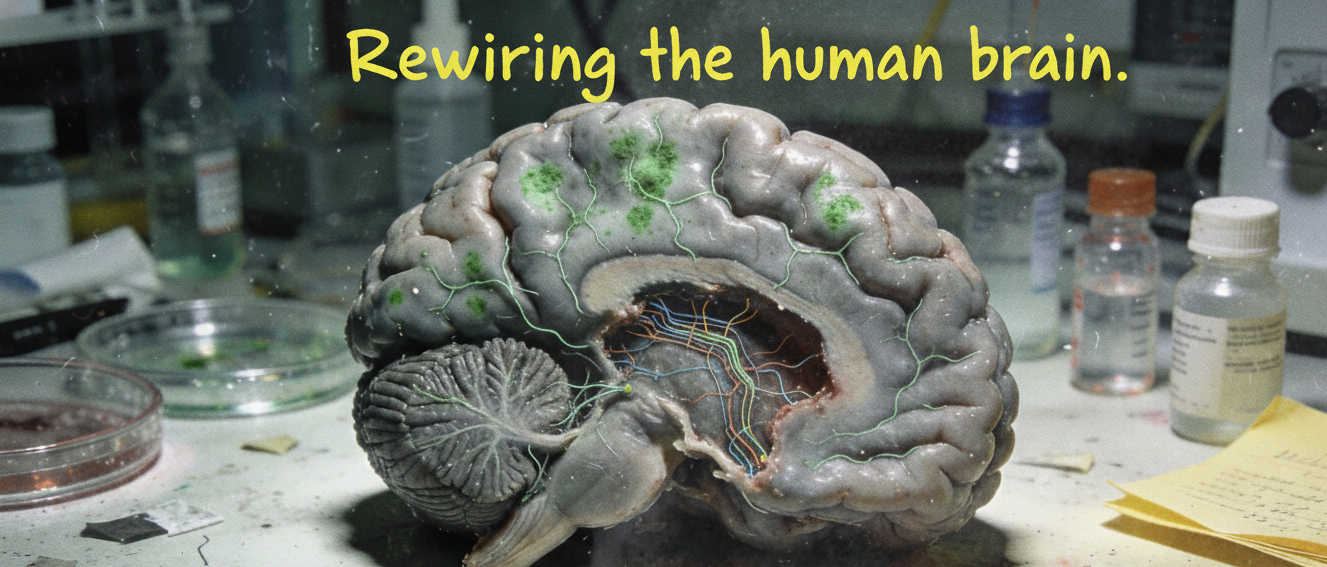
THC works by mimicking a natural neurotransmitter called anandamide, sometimes referred to as the “bliss molecule.” When consumed, THC crosses the blood-brain barrier and binds to CB1 receptors in the brain. These receptors are concentrated in areas responsible for pleasure, memory, thinking, coordination, and time perception.
By activating CB1 receptors, THC triggers the release of dopamine in the brain’s reward system, producing the euphoric sensation users experience. This mechanism also explains why THC affects short-term memory, motor coordination, and perception of time.
The binding affinity of THC to CB1 receptors is much stronger than anandamide’s natural interaction, which is why cannabis produces more pronounced effects than the body’s own endocannabinoids.
Effects of THC
The effects of THC vary based on dosage, tolerance, and individual biology. Common effects include:
- Euphoria and relaxation: The most sought-after effect for recreational users
- Altered sensory perception: Colors may appear more vivid, music more immersive
- Increased appetite: Often called “the munchies,” caused by THC’s interaction with hunger-regulating brain areas
- Time distortion: Minutes may feel like hours
- Impaired short-term memory: Temporary difficulty forming new memories while under the influence
- Dry mouth and red eyes: Caused by THC’s effect on moisture-producing glands and blood vessel dilation
At higher doses or in sensitive individuals, THC may cause anxiety, paranoia, or rapid heartbeat. These effects are typically temporary and subside as THC is metabolized.
Medical Benefits of THC
Research has identified several therapeutic applications for THC:
- Chronic pain relief: THC interacts with pain-processing pathways, and studies show it can reduce neuropathic and inflammatory pain 2. Nausea and vomiting: THC is FDA-approved (as dronabinol/Marinol) for chemotherapy-induced nausea 3. Appetite stimulation: FDA-approved for AIDS-related wasting syndrome 4. Muscle spasticity: Sativex (THC+CBD spray) is approved in many countries for MS-related spasticity 5. Sleep aid: THC can reduce the time it takes to fall asleep, though it may affect sleep architecture
THC Potency and Dosing
THC potency in cannabis has increased substantially over the decades. In the 1970s, average THC content was around 3–4%. Today, many strains contain 20–30% THC, and some concentrates exceed 90%.
For beginners, medical professionals recommend starting with 2.5–5 mg of THC and waiting at least two hours before consuming more, particularly with edibles. This “start low, go slow” approach minimizes the risk of uncomfortable side effects.
THC vs CBD
While THC and CBD are both cannabinoids from the same plant, they have fundamentally different effects. THC is psychoactive and produces a high; CBD is non-intoxicating. THC binds directly to CB1 receptors; CBD modulates the endocannabinoid system indirectly. Many products now combine THC and CBD in various ratios to balance therapeutic effects with psychoactivity.
Explore the Valley of Cannabis Knowledge ON JOINTVALLEY.COM
Disclaimer: This article is for educational purposes only and does not constitute medical advice. Always consult with a qualified healthcare professional before making any health-related decisions.
메타데이터
- post_id
- e1d6cb7d8b15
- slug
- what-is-thc-effects-benefits-how-it-works-e1d6cb7d8b15
- url
- https://medium.com/@jointvalleyofficial/what-is-thc-effects-benefits-how-it-works-e1d6cb7d8b15
- canonical_url
- https://medium.com/@jointvalleyofficial/what-is-thc-effects-benefits-how-it-works-e1d6cb7d8b15
- author_url
- https://medium.com/@jointvalleyofficial
- status
- ok
- fetched_at
- 2026-06-23 19:38:28