Debunking the Naloxone Myth: Overdose Reversal Requires Precision, Not Propaganda
The Myth of Excessive Naloxone Dosing: Why Science, Evidence, and Best Practices Disprove the Hype
Debunking the Naloxone Myth: Overdose Reversal Requires Precision, Not Propaganda
The Myth of Excessive Naloxone Dosing: Why Science, Evidence, and Best Practices Disprove the Hype

Source: Canva
It seems like every day.
There’s a new headline sensationalizing overdose reversal stories, perpetuating the myth that it takes six or eight doses of naloxone to bring someone back from a heroin overdose.
This claim isn’t just false — it’s harmful.
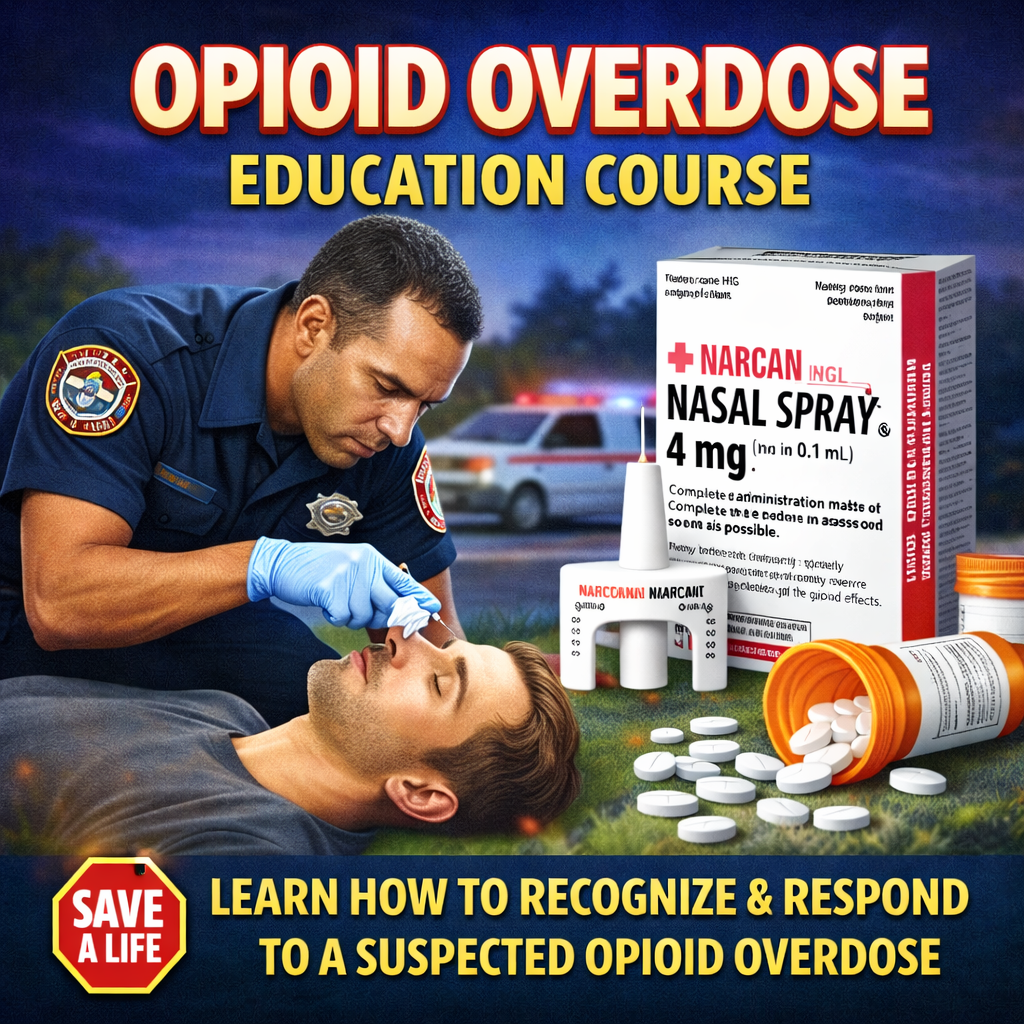
Overdoses are generally reversed with a single dose of naloxone, sometimes two.
The idea that responders must inject 24–32 mg of naloxone into someone is not supported by science, evidence, or best practices.
This approach is explicitly harmful to people who use drugs (PWUD), leading to unnecessary suffering and creating dangerous misconceptions about overdose response.
As someone who has spent eight years training overdose responders and documenting overdose report-backs, I can confidently say that these excessive dosing stories reflect misinformation, poor training, and sensationalist propaganda.
Let’s break it down.
The Reality of Overdose Reversal
Naloxone is an opioid antagonist that rapidly binds to opioid receptors, reversing the effects of an overdose by restoring normal respiration. The key word here is normal respiration.
The goal of naloxone administration is not to bring someone to full consciousness but to enable independent breathing.
In most cases, a single dose of naloxone is sufficient to achieve this.
Occasionally, a second dose may be needed if the individual has taken a particularly potent opioid or a combination of substances.
The notion that multiple doses — up to six or eight — are required stems from misunderstandings about how naloxone works and what constitutes a successful overdose reversal.
Overdoses are not about regaining full wakefulness immediately but about stabilizing breathing.
Anything beyond this is unnecessary and can cause significant harm to the individual.
What Goes Wrong: Misunderstandings in Naloxone Administration
So why do some responders believe they need to administer excessive doses?
Overwhelmingly, it concerns a lack of training and improper benchmarks for assessing when to stop administering naloxone.
Here are the most common issues:
- Not Waiting Three Minutes Between Doses:
Naloxone takes time to work. The standard protocol is to wait three minutes after administering a dose before deciding whether a second dose is necessary. In many cases, responders panic and administer additional doses prematurely, not giving the initial dose time to take effect.
- Using Responsiveness as a Benchmark:
The goal of naloxone is to restore independent breathing, not to wake someone up fully.
Many responders mistakenly use “regained responsiveness” as their marker for success.
When a person doesn’t immediately regain consciousness, responders assume the naloxone isn’t working and administer more, even if they are already breathing independently.
- Skipping Resuscitation:
Overdose response doesn’t begin and end with naloxone.
Properly trained responders should provide rescue breathing or chest compressions to support the individual until the naloxone takes effect.
When resuscitation is skipped, responders may misinterpret slow results as naloxone failure, leading to unnecessary additional doses.
The Harms of Excessive Naloxone Administration
Administering excessive naloxone isn’t just unnecessary — it’s actively harmful.
Here’s how overloading someone with naloxone can create significant risks for PWUD:
- Precipitated Withdrawal: Naloxone rapidly displaces opioids from their receptors, which can cause immediate and severe withdrawal symptoms.
These symptoms — nausea, vomiting, body aches, agitation — are not only distressing but can deter individuals from seeking help in the future.
Imagine being revived from an overdose only to be thrown into the worst sickness of your life because someone didn’t know when to stop.
-
Running Out of Naloxone: Overdoses often come in clusters, especially in settings where multiple people may have used the same batch of drugs. If responders use up their entire supply on one person, they may be left without naloxone to address subsequent overdoses or rebound effects.
-
False Confidence in Poor Practices: When responders believe they “saved” someone by flooding them with naloxone, they reinforce bad habits.
These misconceptions perpetuate a cycle of improper overdose response, leading to further harm for PWUD and the potential erosion of trust in harm reduction efforts.
Naloxone Myths and Sensationalism: How Misinformation Harms
The idea that it takes six or more doses of naloxone to reverse a heroin overdose is pure sensationalism.
It grabs headlines, fuels fear, and reinforces the stigma against PWUD.
These myths perpetuate the narrative that overdoses are uncontrollable crises requiring extreme measures rather than manageable medical events with straightforward solutions.
This kind of misinformation has far-reaching consequences.
It undermines public trust in harm reduction strategies, spreads unnecessary fear about the potency of opioids (even as the real dangers of fentanyl are undeniable), and makes it harder to advocate for widespread naloxone distribution.
It also stigmatizes PWUD by painting them as hopeless cases, further alienating them from the care and compassion they need.
Training and Education: The Key to Doing Better
The good news is that these issues are entirely preventable. Proper training and education can address the misunderstandings that lead to excessive naloxone administration.
Here’s what needs to happen:
- Standardize Training:
Naloxone distribution programs must include comprehensive training emphasizing proper dosing intervals, the importance of resuscitation, and the correct benchmarks for stopping administration.
- Educate on Harm Reduction Principles:
Responders must understand that their role is to stabilize the individual, not “bring them back” to full wakefulness.
This means focusing on breathing and recognizing that independent respiration is the goal.
- Debunk Myths:
Public health campaigns should actively counter misinformation about naloxone and overdose response.
By providing accurate, evidence-based information, we can dispel the myths that perpetuate stigma and harm.
- Support PWUD:
Finally, overdose response training should include guidance on how to support PWUD post-revival, emphasizing compassion and connection to resources rather than judgment or coercion.
PWUD Deserve Better
People who use drugs deserve care that is informed, compassionate, and evidence-based.
Overdose response is not about heroics or saving face — it’s about saving lives.
That means moving away from sensationalist narratives and grounding our practices in science and harm reduction principles.
It’s time to do better, for the individuals whose lives depend on these interventions and for the communities working tirelessly to support them.
The next time you hear someone claim it takes six or eight doses of naloxone to reverse an overdose, challenge that narrative.
Educate yourself, share accurate information, and advocate for better training and practices.
Because when it comes to overdose response, PWUDs don’t need myths or martyrdom — they need respect, dignity, and a fighting chance to survive.
Have you encountered misinformation about naloxone in your community?
What steps can we take to improve education and training for overdose response?
Please share your thoughts in the comments, and let’s work together to create a future where every overdose intervention is effective, humane, and rooted in harm reduction.
About the Author:
Hi, I’m Johnny, an ex-street junky with 9 years sober. I’m into multiple pathways to recovery, harm reduction, alternative health & personal growth — and loud, raw, noisy guitars.
You can check out my band here.
Check out my new book: A Heroin Users Guide to Harm Reduction: Staying Alive in the Age of Fentanyl and Xylazine
I also create short guides to resources to help others live with more freedom and intent, work wiser, and recover out loud. Click the link to sign up for free.
메타데이터
- post_id
- e208e00af7c2
- slug
- debunking-the-naloxone-myth-overdose-reversal-requires-precision-not-propaganda-e208e00af7c2
- url
- https://medium.com/@JohnMakohen/debunking-the-naloxone-myth-overdose-reversal-requires-precision-not-propaganda-e208e00af7c2
- canonical_url
- https://medium.com/@JohnMakohen/debunking-the-naloxone-myth-overdose-reversal-requires-precision-not-propaganda-e208e00af7c2
- author_url
- https://medium.com/@JohnMakohen
- status
- ok
- fetched_at
- 2026-07-21 03:11:18