“Why Nietzsche Warned Us About the Abyss”
Nietzsche believed modern society was heading toward a dangerous psychological crisis. The abyss was his name for the terrifying...
What Did Nietzsche Mean by the Abyss?
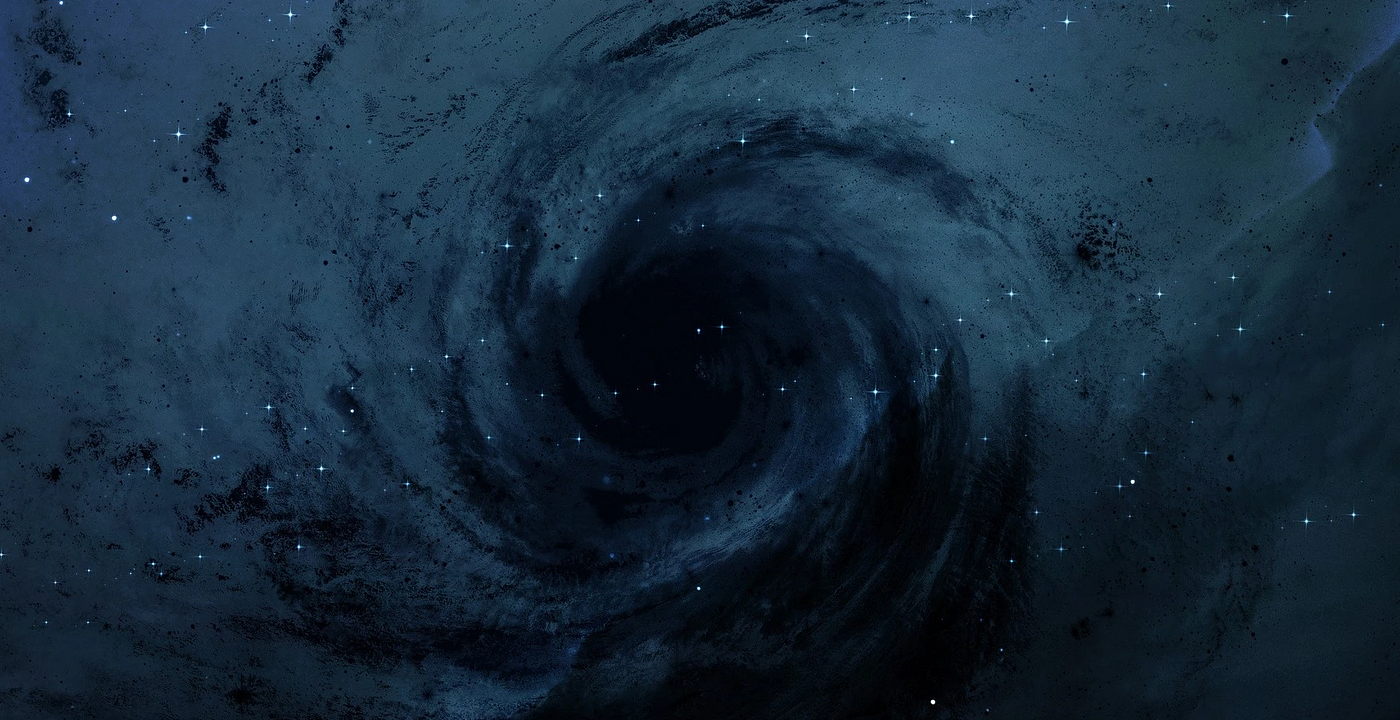
If you have spent any time exploring philosophy, you have probably encountered Friedrich Nietzsche’s famous warning:
“And if you gaze long into an abyss, the abyss also gazes into you.”
It is one of those quotes that lingers in the mind because it feels deeply unsettling. At first glance, it sounds almost supernatural, like something from a psychological thriller. But Nietzsche was not talking about monsters hiding in the dark. He was describing a crisis he believed modern civilization was slowly drifting toward.
To understand the abyss, we first need to understand the world Nietzsche lived in.
For centuries, Western society was built on a shared belief in religion, objective morality, and divine purpose. People believed life had meaning because that meaning came from God. Morality was not something humans invented; it was seen as part of a higher order built into the universe itself. Questions about right and wrong, purpose, suffering, and death already had answers.
But during the nineteenth century, Nietzsche saw this foundation beginning to collapse. Science, rationalism, and secular thought were rapidly replacing religious certainty. This is what Nietzsche meant when he declared that “God is dead.” He was not claiming that a literal deity had died. He meant that modern society could no longer genuinely believe in the old religious framework that once gave life structure and meaning.
What remained after that collapse was an enormous emptiness. That emptiness is the abyss.
The abyss represents nihilism: the realization that the universe may contain no inherent meaning, no cosmic justice, and no predetermined purpose for human existence. It is the frightening possibility that the values we depend on are not eternal truths, but human creations.
Looking into the abyss means confronting a world that does not provide easy answers. It means recognizing that the universe is indifferent to human hopes, fears, and suffering. For many people, this realization is psychologically destabilizing because human beings naturally search for meaning and order.
This is why the second half of Nietzsche’s quote matters so much.
When Nietzsche says that the abyss “gazes back,” he is warning about what prolonged exposure to nihilism can do to a person. Someone who becomes obsessed with emptiness, corruption, or the meaninglessness of existence risks becoming consumed by those ideas. A person who constantly tears down values without creating new ones can become cynical, bitter, or emotionally paralyzed.
The quote originally appears in Beyond Good and Evil alongside another warning:
“He who fights with monsters should look to it that he himself does not become a monster.”
In this context, the abyss is not only about meaninglessness. It is also about psychological transformation. When people spend too much time confronting darkness, chaos, or moral emptiness, those forces can begin to reshape them from within.
Yet Nietzsche was not simply a philosopher of despair.
He believed humanity could not return to old certainties after recognizing their collapse. The challenge was not to escape the abyss, but to move through it without surrendering to nihilism. Instead of depending on inherited meanings, Nietzsche argued that individuals must create meaning for themselves.
This is why his philosophy ultimately points toward self-overcoming rather than hopelessness. The abyss is dangerous, but it is also a test. Once people realize that meaning is not handed to them by the universe, they gain the terrifying freedom to shape their own values, purpose, and identity.
For Nietzsche, the real danger was not that life had no predetermined meaning. The real danger was losing the courage to create meaning after discovering that fact.
메타데이터
- post_id
- e27f4c7527ea
- slug
- why-nietzsche-warned-us-about-the-abyss-e27f4c7527ea
- url
- https://medium.com/@stevenqazzaq/why-nietzsche-warned-us-about-the-abyss-e27f4c7527ea
- canonical_url
- https://medium.com/@stevenqazzaq/why-nietzsche-warned-us-about-the-abyss-e27f4c7527ea
- author_url
- https://medium.com/@stevenqazzaq
- status
- ok
- fetched_at
- 2026-06-09 15:37:30

