The Prestige Horror Boom Didn’t Happen Overnight
The genre didn’t change overnight. Our perception of it did.
The Prestige Horror Boom Didn’t Happen Overnight
The genre didn’t change overnight. Our perception of it did.
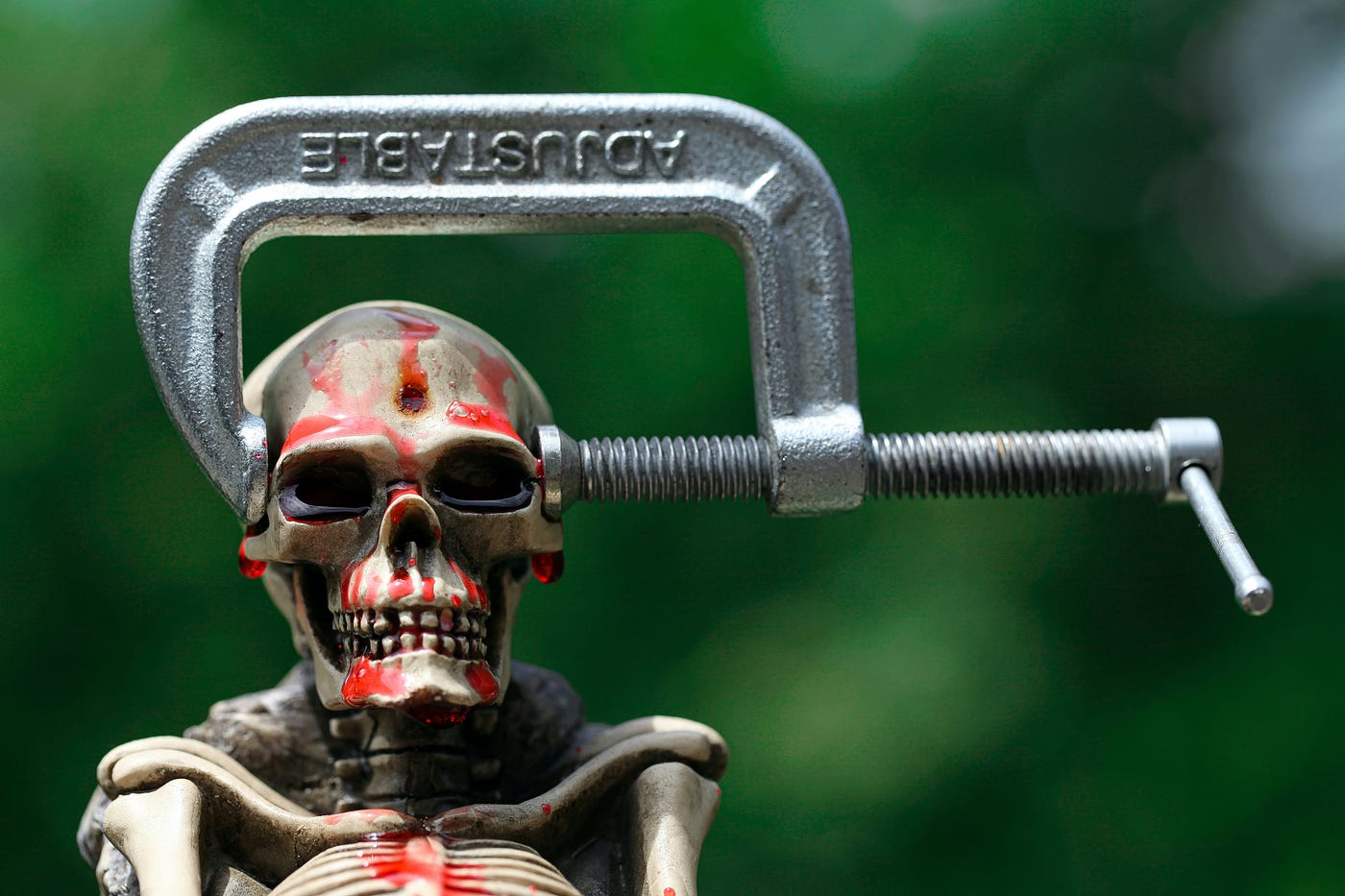
Photo by Ashes Sitoula on Unsplash
For years, horror fans have heard the same dismissive comments from film critics and others who have little respect for the genre: Horror is just jump scares… It’s all gore… It’s not “real cinema.” And yet, look around, especially at what has been happening over the last couple of years.
Some of today’s most acclaimed directors are making horror films, and Oscar-winning actors are eagerly signing on to projects involving demons, vampires, and serial killers. Studios are also giving horror filmmakers larger budgets and greater creative freedom. But most notably, critics who once ignored the genre now dedicate year-end lists to it.
To many people, it feels as though horror has suddenly become respectable. However, the truth is, it didn’t happen overnight. In fact, horror has spent more than a century earning the respect it deserves. What we’re seeing today isn’t the birth of prestige horror. It’s the culmination of decades of evolution.
Film Still from Dracula (Browning, 1931). Credit: Universal
Long before masked killers and haunted dolls dominated multiplexes, horror was helping define cinema itself. Not to mention popularizing classic horror novels through adaptations like Dr. Jekyll and Mr. Hyde, Dracula, and Frankenstein, which introduced audiences to monsters that have endured for generations. These scary stories reflected fears about disease, science, death, and the unknown while showcasing groundbreaking filmmaking techniques that still influence directors today. Some of the most popular horror films released in the last five years have been modern retellings of these very same monsters.
The days of yesteryear understood the genre, so early horror wasn’t considered “low art.” It was treated with immense respect. Universal’s monster movies were major studio productions that audiences embraced, but the genre’s reputation would change later.
Film Still from The Exorcist (Friedkin, 1973). Credit: Warner Bros
By the late 1960s and throughout the 1970s, horror underwent one of its biggest transformations. Rather than asking audiences to fear creatures lurking in castles, filmmakers began asking them to fear their neighbors, their families, their governments, and even themselves.
The horrors of war, political unrest, shifting social values, and declining trust in institutions all found their way onto the screen. Films like Night of the Living Dead, The Exorcist, The Texas Chain Saw Massacre, and Halloween terrified audiences while simultaneously commenting on the world outside the theater. Looking back, it’s clear these films were doing exactly what the best “dramas” have always done: using storytelling to process cultural anxiety.
The only difference was that horror wrapped those ideas in blood, monsters, and nightmares. Still, it didn’t stop the Golden Globes from classifying The Exorcist as a drama, allowing it to take home the best picture award in 1974. They couldn’t let horror take that Award, but it was still a win for the genre.
Film Still from A Nightmare on Elm Street (Craven, 1984). Credit: New Line Cinema
Then came the 1980s, and things got a little… silly. Slashers exploded in popularity. Franchises multiplied. Every successful horror film seemed destined to spawn increasingly ridiculous sequels. While audiences continued to fill theaters, critics grew less interested because the genre was associated with low budgets, disposable entertainment, and endless formulas. Fair or not (I love a campy horror flick), horror developed a reputation it would struggle to shake for decades.
Of course, anyone who actually loved horror knew there was far more happening beneath the surface. Films like A Nightmare on Elm Street, Hellraiser, and The Fly proved horror could still be imaginative, emotional, and surprisingly intelligent. But prestige? That was still a word reserved for dramas.
Film Still from The Sixth Sense (Shyamalan, 1999). Credit: Universal
The 1990s reminded audiences that horror could evolve. Scream deconstructed the slasher formula while celebrating it. The Silence of the Lambs won the Academy Award for Best Picture despite many people resisting the idea of classifying it as horror; rather than drama, the film was classified as a psychological thriller after winning 5 categories at the 1992 Academy Awards. Nonetheless, The Sixth Sense showed that psychological horror could become both a critical and commercial phenomenon.
Slowly, the genre was regaining respect, not because horror had fundamentally changed. Rather, it was because people were paying attention again.
Film Still from The Witch (Eggers, 2015). Credit: A24
Then came the 2010s. A new generation of filmmakers brought deeply personal stories into the horror genre. Grief, trauma, family dysfunction, race, identity, religion, and mental illness became central themes rather than background details. Films like The Babadook, The Witch, Get Out, Hereditary, and Midsommar sparked conversations that extended far beyond horror communities.
Around the same time, independent studios such as A24 helped redefine what horror could look like. Suddenly, audiences expected slow-burn storytelling, stunning cinematography, layered symbolism, and unforgettable performances alongside the scares. Say goodbye to jump scares (for now).
Then, to the long-time horror fans’ aggravation, the media began calling these films “elevated horror.” Even today, many horror fans dislike the label, and it’s not because the films weren’t excellent. In fact, many of these films that are dubbed with this label are outstanding by all measures. No, the reason the term ‘elevated horror’ is insulting is that the phrase implied that previous horror films weren’t worthy of serious discussion. The label suggests that classics from decades earlier had only existed to provide cheap thrills.
In reality, horror had always been capable of artistic storytelling, but it required more people to be willing to recognize it.
Film Still from Sinners (Coogler, 2025). Credit: Warner Bros
The biggest change needed to happen in the genre itself, as well as within Hollywood. Studios soon realized horror consistently delivers impressive profits without requiring superhero-sized budgets. Even Awards voters gradually became more open to recognizing horror performances, and critics who grew up loving the genre entered newsrooms and publications, bringing with them a greater appreciation for its history.
A-list actors who once avoided horror now actively seek it out. Today, appearing in a horror film isn’t viewed as a career risk. For many performers, it’s become an opportunity to tackle emotionally demanding material in ways few other genres allow.
At its best, horror has never been solely about monsters. It’s about grief, addiction, racism, religion, parenthood, and loneliness. Not to mention death, guilt, trauma, love, and every uncomfortable emotion we spend our lives trying to avoid. The monsters make those fears visible, and that’s why horror continues to endure while so many other trends fade away. The current prestige horror boom didn’t happen overnight. Instead, it took decades of filmmakers pushing creative boundaries, audiences defending the genre, and critics slowly recognizing what horror fans have known all along:
Horror didn’t suddenly become intelligent. Everyone else finally caught up.
메타데이터
- post_id
- e2b26d80220a
- slug
- the-prestige-horror-boom-didnt-happen-overnight-e2b26d80220a
- url
- https://fanfare.pub/the-prestige-horror-boom-didnt-happen-overnight-e2b26d80220a
- canonical_url
- https://fanfare.pub/the-prestige-horror-boom-didnt-happen-overnight-e2b26d80220a
- author_url
- https://medium.com/@scaremesam
- status
- ok
- fetched_at
- 2026-07-09 05:53:33