Enhancing Comfort with IoT-Based HVAC Automation in Modern Smart Buildings
The rise of smart buildings has revolutionized the way we experience comfort and efficiency. Among the many technologies driving this…
Enhancing Comfort with IoT-Based HVAC Automation in Modern Smart Buildings
The rise of smart buildings has revolutionized the way we experience comfort and efficiency. Among the many technologies driving this transformation, ***IoT-based HVAC automation* plays a pivotal role in optimizing indoor environments. HVAC (Heating, Ventilation, and Air Conditioning) systems are essential for maintaining a comfortable, healthy, and energy-efficient atmosphere. When integrated with IoT (Internet of Things), these systems become more intelligent, adaptive, and cost-effective.
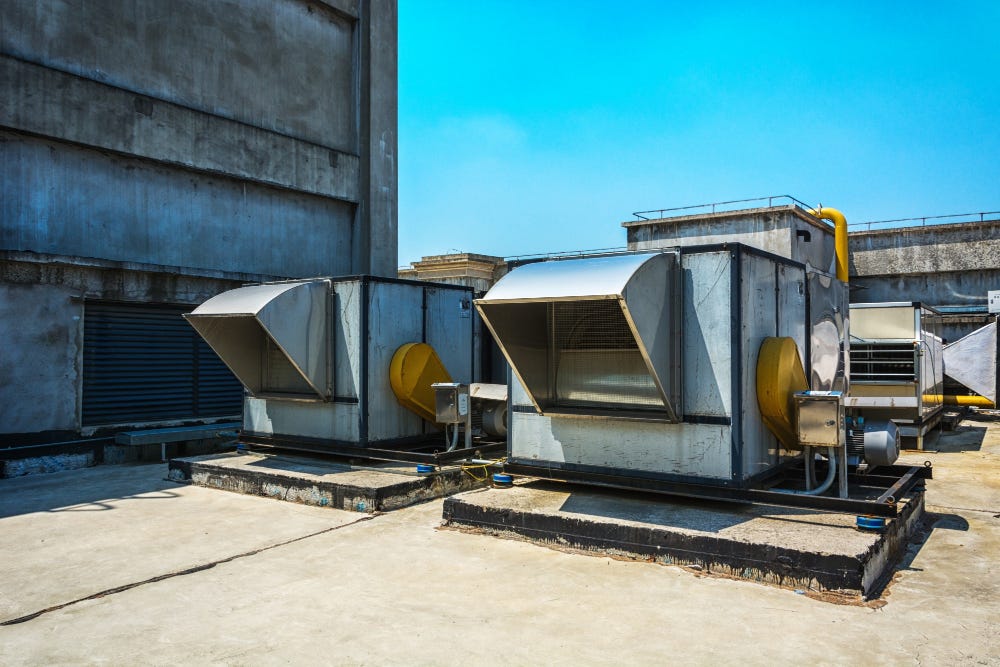
The Role of IoT in HVAC Automation
IoT-based HVAC automation leverages a network of sensors, cloud computing, and artificial intelligence to enhance the efficiency and responsiveness of heating and cooling systems. Traditional HVAC systems often rely on manual control or pre-set schedules, leading to inefficiencies and unnecessary energy consumption. However, IoT-enabled HVAC systems use real-time data to optimize climate control, ensuring maximum comfort and minimal energy waste.
Key Components of IoT-Enabled HVAC Systems:
Smart Sensors: Detect temperature, humidity, occupancy, and air quality levels.
Cloud-Based Control Systems: Enable remote monitoring and management.
AI and Machine Learning Algorithms: Predict and adjust temperature settings based on usage patterns.
Automated Dampers and Smart Vents: Control airflow to different building areas.
Mobile and Web Applications: Provide user-friendly interfaces for real-time adjustments.
Benefits of IoT-Based HVAC Automation
The integration of IoT with HVAC systems brings numerous benefits that enhance both comfort and operational efficiency.
1. Improved Energy Efficiency
One of the most significant advantages of IoT-based HVAC automation is energy savings. Smart sensors and AI-driven algorithms continuously monitor environmental conditions and optimize heating and cooling operations. By adjusting the system based on occupancy and weather forecasts, buildings can reduce energy consumption without compromising comfort.
For example, if a meeting room is unoccupied, the system can automatically lower cooling or heating levels, saving energy that would otherwise be wasted. This level of precision contributes to sustainable building management and reduced utility costs.
2. Enhanced Indoor Comfort
Comfort in a building is influenced by factors such as temperature, humidity, and air quality. IoT-based HVAC automation ensures that these factors are always maintained at optimal levels. The system can automatically adjust settings based on real-time occupancy data, personal preferences, and even predictive analytics.
For instance, if the weather outside suddenly changes, the system can adjust the indoor climate accordingly. This dynamic control ensures that occupants always experience a comfortable environment without the need for manual intervention.
3. Predictive Maintenance and Reduced Downtime
Traditional HVAC systems often require routine maintenance checks, which may not always be timely or necessary. IoT-enabled HVAC solutions use predictive maintenance strategies to detect potential system failures before they occur. Sensors continuously monitor the system’s health, identifying issues such as clogged filters, refrigerant leaks, or malfunctioning components.
With predictive maintenance, facility managers receive alerts about potential problems, allowing them to take proactive measures before a breakdown happens. This approach minimizes downtime, extends the lifespan of HVAC equipment, and reduces maintenance costs.
4. Remote Monitoring and Control
Another major advantage of IoT-based HVAC automation is remote accessibility. With cloud-based platforms, building managers can monitor and control HVAC systems from anywhere using a smartphone or computer. Whether it’s adjusting settings, reviewing energy consumption reports, or troubleshooting issues, remote access enhances convenience and operational efficiency.
For example, in large office buildings or hotels, facility managers can regulate HVAC settings across multiple floors from a centralized dashboard. This level of control not only enhances energy savings but also improves occupant satisfaction.
5. Better Air Quality Management
Air quality is a crucial component of indoor comfort and health. IoT-based HVAC automation helps maintain optimal air quality by continuously monitoring pollutant levels, humidity, and ventilation rates. Smart sensors detect harmful gases, airborne particles, and excess humidity, triggering ventilation adjustments as needed.
This feature is particularly beneficial in hospitals, schools, and commercial spaces where maintaining a healthy indoor environment is essential. Automated air quality management reduces the risk of respiratory illnesses and enhances overall well-being.
Challenges and Considerations
While IoT-based HVAC automation offers numerous benefits, it also comes with certain challenges and considerations.
Initial Investment Costs: Upgrading to an IoT-enabled HVAC system requires an upfront investment in sensors, controllers, and cloud infrastructure.
Data Security Concerns: With increased connectivity, cybersecurity risks become a concern. Protecting IoT devices from cyber threats is crucial to ensure data integrity and privacy.
Integration with Legacy Systems: Older HVAC systems may not be compatible with IoT technologies, requiring retrofitting or replacement.
Technical Expertise: Managing and troubleshooting IoT-based systems requires trained professionals who understand both HVAC and IoT technologies.

The Future of IoT-Based HVAC Automation
As smart building technologies continue to evolve, IoT-based HVAC automation will become even more sophisticated. Advancements in AI and machine learning will enable systems to learn user preferences more accurately, providing a seamless and personalized climate control experience.
Future trends may include:
Voice-Controlled HVAC Systems: Integration with virtual assistants like Alexa or Google Assistant for hands-free control.
Blockchain for Secure Data Management: Enhancing security and transparency in HVAC data exchanges.
Self-Healing Systems: AI-driven systems that automatically detect and fix minor HVAC issues without human intervention.
Advanced Weather Prediction Integration: Using real-time weather data to pre-adjust HVAC settings proactively.
Conclusion
IoT-based HVAC automation is redefining comfort, energy efficiency, and air quality management in modern smart buildings. By leveraging real-time data, AI-driven optimizations, and remote accessibility, these systems provide superior climate control with minimal energy waste. While challenges such as cybersecurity and initial costs exist, the long-term benefits far outweigh the drawbacks. As technology advances, we can expect even greater innovations in smart HVAC automation, leading to more intelligent, sustainable, and comfortable living and working environments.
메타데이터
- post_id
- e2bce56a6dab
- slug
- iot-based-hvac-automationenhancing-comfort-with-iot-based-hvac-automation-in-modern-smart-buildings-e2bce56a6dab
- url
- https://medium.com/@apy83160/iot-based-hvac-automationenhancing-comfort-with-iot-based-hvac-automation-in-modern-smart-buildings-e2bce56a6dab
- canonical_url
- https://medium.com/@apy83160/iot-based-hvac-automationenhancing-comfort-with-iot-based-hvac-automation-in-modern-smart-buildings-e2bce56a6dab
- author_url
- https://medium.com/@apy83160
- status
- ok
- fetched_at
- 2026-08-22 00:45:22