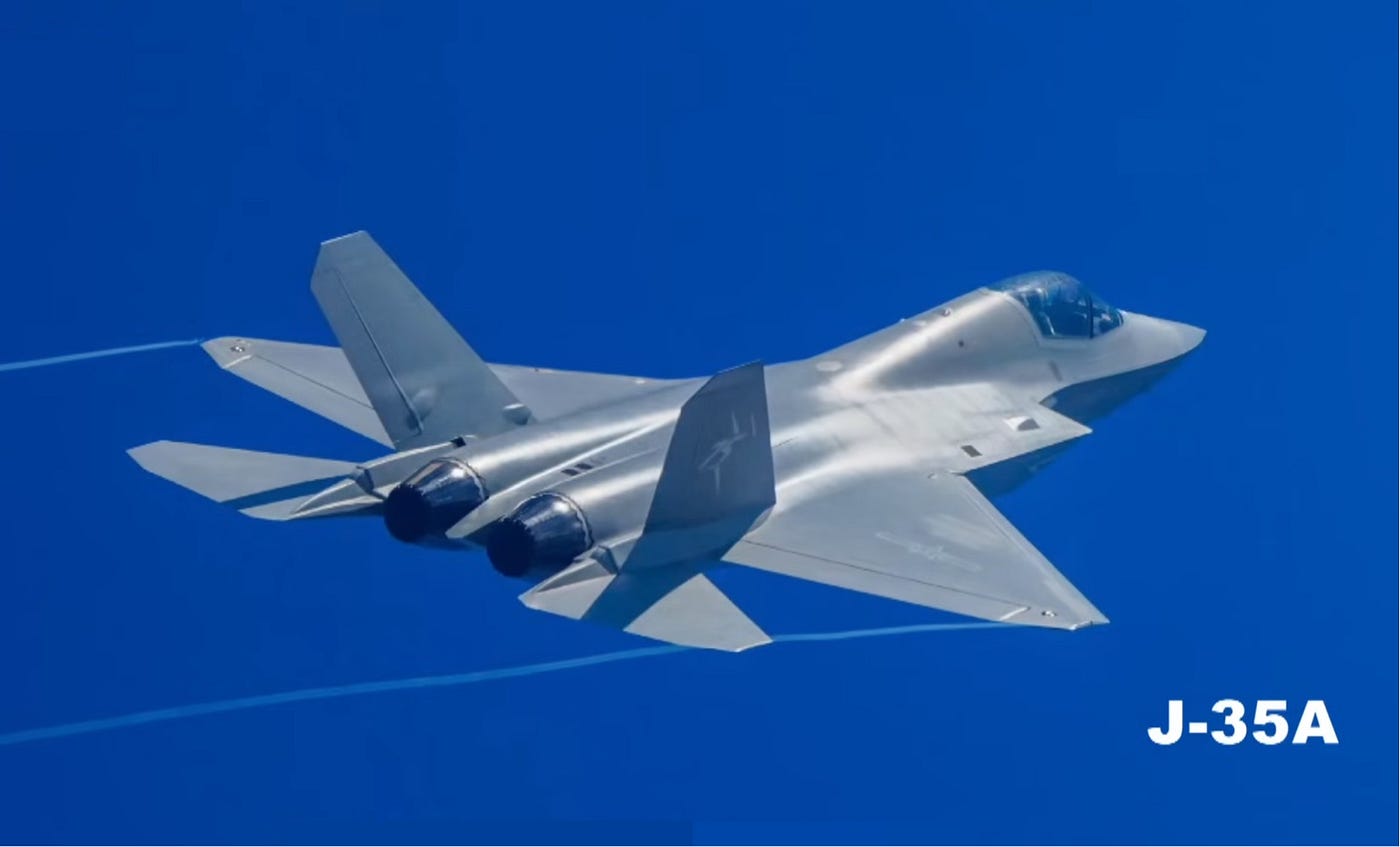
Why Russia’s Su-57 Isn’t a True Stealth Fighter (Yet)
Introduction: The Su-57 vs. True Stealth Fighters
Why Russia’s Su-57 Isn’t a True Stealth Fighter (Yet)
Introduction: The Su-57 vs. True Stealth Fighters
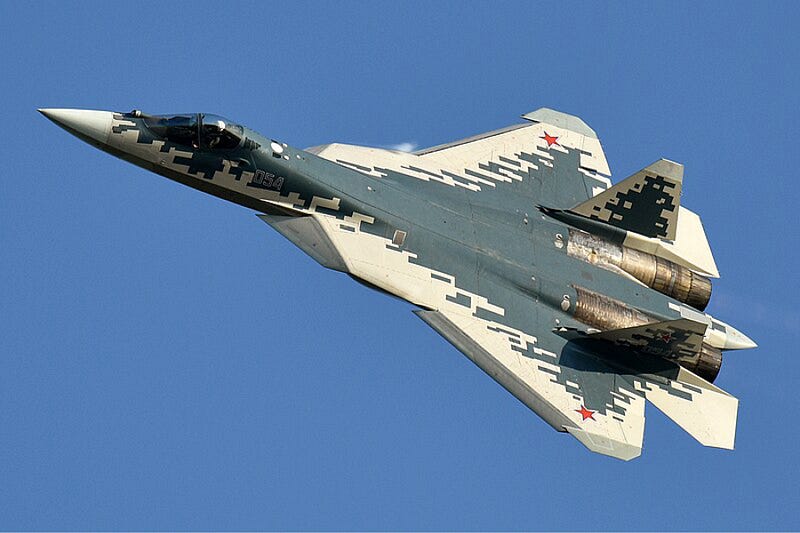
The Su-57 Felon is Russia’s first so-called “stealth” fighter, often compared to the American F-22 Raptor and F-35 Lightning II. Designed to be a fifth-generation multirole aircraft, it boasts advanced avionics, supermaneuverability, and the ability to carry hypersonic missiles.
However, when it comes to stealth, the Su-57 falls short compared to its American counterparts. While it has reduced radar visibility compared to older Russian jets like the Su-35, it lacks the true low-observable (LO) characteristics of a fully stealth aircraft. But why is that? And does it even matter in modern warfare?
Let’s break it down.
⸻
Stealth or Semi-Stealth? The Su-57’s Design Flaws
To be a true stealth aircraft, a jet needs to incorporate several key design features, including:
-
Shaping for Radar Evasion — Angled surfaces that deflect radar waves.
-
Internal Weapon Bays — To minimize radar reflections from weapons.
-
Radar-Absorbing Materials (RAM) — Special coatings that reduce detectability.
-
Infrared Signature Reduction — Shielding the heat from engines.
While the Su-57 does attempt to integrate some of these, it falls short in several areas:
-
Radar Cross-Section (RCS) Issues
-
• The Su-57 has a smaller RCS than previous Russian jets, but it’s still higher than the F-22 or F-35.
-
• The design includes many exposed surfaces, such as canards and engine nozzle edges, which reflect radar waves.
-
• Unlike the F-22 and F-35, which prioritize smooth blended edges, the Su-57 retains hard edges and open panel gaps, increasing detectability.
-
Engine Exposure — The Achilles’ Heel
• One of the biggest giveaways of the Su-57 is its exposed engine nozzles, which lack the serrated edges and shielding found on stealth fighters like the F-22.
• This results in a higher infrared (IR) signature, making it easier to track using heat-seeking missiles and sensors.
• Russia is developing new engines (Izdeliye 30), which may reduce this issue, but as of now, Su-57s still rely on older AL-41F1 engines, which are not optimized for stealth.
- Lack of Extensive RAM Coating
• The Su-57 reportedly uses some RAM, but not at the same level as the F-22 or F-35.
• Russian doctrine focuses more on hardening aircraft for survivability rather than relying purely on stealth.
• This means the Su-57 can take more damage but is also easier to detect.
⸻
Russia’s Fighter Jet Philosophy: Why Stealth Isn’t the Priority
Unlike the U.S., which prioritizes stealth-first designs like the F-22 and F-35, Russia takes a different approach to aerial warfare. Their doctrine emphasizes:
• Supermaneuverability — The Su-57 can execute extreme post-stall maneuvers, giving it an edge in close combat.
• Multirole Capability — The Su-57 is designed to perform both air superiority and ground-attack missions.
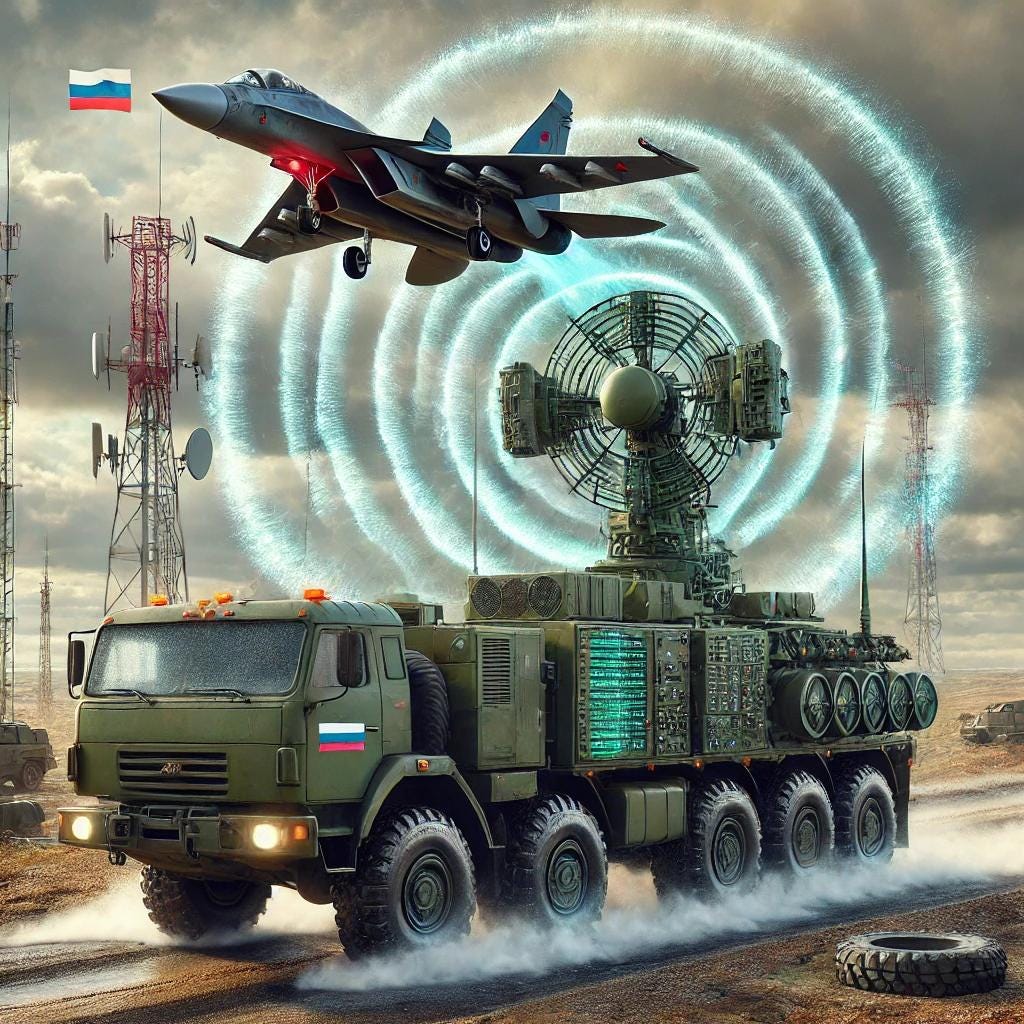
• Electronic Warfare & Missile Advantage — Russia is betting on advanced electronic warfare (EW) systems and powerful long-range missiles to compensate for its stealth limitations.
This approach means the Su-57 is not invisible but is designed to fight and survive in contested airspace rather than completely avoiding detection like an F-35.
⸻
Future Upgrades: Will the Su-57 Ever Be Truly Stealth?
Russia has plans to improve the Su-57 in the coming years, including:
• New Izdeliye 30 engines to improve fuel efficiency, thrust, and stealth characteristics.
• Enhanced RAM coatings to reduce its radar signature.
• Drones like the S-70 Okhotnik-B to act as stealthy wingmen and provide first-strike capability.
However, given Russia’s current focus on the Ukraine war and its defense budget constraints, it’s unclear how quickly these upgrades will materialize.
⸻
Conclusion: The Su-57 Is Not a True Stealth Fighter (And That’s Okay for Russia)
The Su-57 is not a true stealth aircraft like the F-22 or F-35. It has some stealth features but is not designed for absolute invisibility. Instead, Russia has built a fighter that:
✅ Has reduced detectability but isn’t fully stealth.
✅ Excels in maneuverability and electronic warfare.
✅ Prioritizes missile integration over pure stealth tactics.
While the U.S. and China focus on stealth-first designs, Russia’s philosophy is different. The question is: In future wars, will brute force and maneuverability be enough to counter true stealth?
Let me know what you think in the comments!
메타데이터
- post_id
- e2c01fe65d10
- slug
- why-russias-su-57-isn-t-a-true-stealth-fighter-yet-e2c01fe65d10
- url
- https://medium.com/@t35/why-russias-su-57-isn-t-a-true-stealth-fighter-yet-e2c01fe65d10
- canonical_url
- https://medium.com/@t35/why-russias-su-57-isn-t-a-true-stealth-fighter-yet-e2c01fe65d10
- author_url
- https://medium.com/@t35
- status
- ok
- fetched_at
- 2026-06-16 19:09:56