Winter Maintenance Tips to Keep Your Compressed Air System Running Smoothly
Winter can be challenging for industrial compressed air systems. Low temperatures increase the risk of moisture freezing, pressure drops…
Winter Maintenance Tips to Keep Your Compressed Air System Running Smoothly
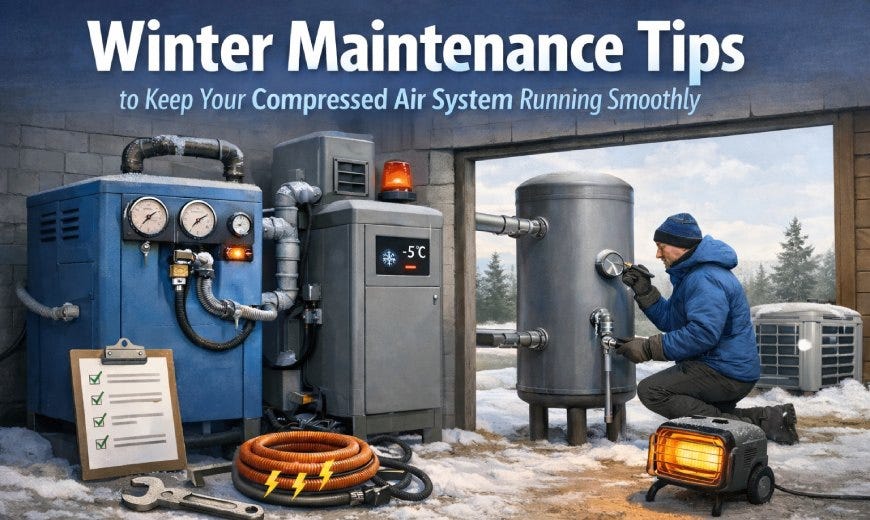
Essential winter maintenance tips to keep your compressed air system efficient, safe and reliable during cold weather conditions
Winter can be challenging for industrial compressed air systems. Low temperatures increase the risk of moisture freezing, pressure drops and equipment failure. Many breakdowns during winter occur not because of system age, but due to poor seasonal maintenance. A well-maintained air compressor receiver tank ensures continuous production, energy efficiency and workplace safety. This guide explains practical winter maintenance tips to keep your system running smoothly.
Why Winter Maintenance Is Critical for the Air Compressor Receiver Tank
Cold weather directly affects compressed air performance. Moisture inside the system can freeze and block air flow, while lubricants may thicken and reduce efficiency.
Common Winter-Related Issues
- Frozen condensate lines
- Reduced air pressure
- Increased energy consumption
- Damage to valves and pipes
Proper maintenance helps avoid costly downtime.
Drain Moisture from the System Regularly
Importance of Moisture Control
Compressed air always contains moisture. In winter, this moisture freezes easily and causes blockages.
Maintenance Tips:
- Drain the air receiver tank daily
- Check automatic drain valves
- Inspect moisture traps and separators
Keeping the air receiver tank dry prevents corrosion and pressure instability.
Inspect and Protect the Air Receiver Tank
Why the Air Receiver Tank Needs Attention
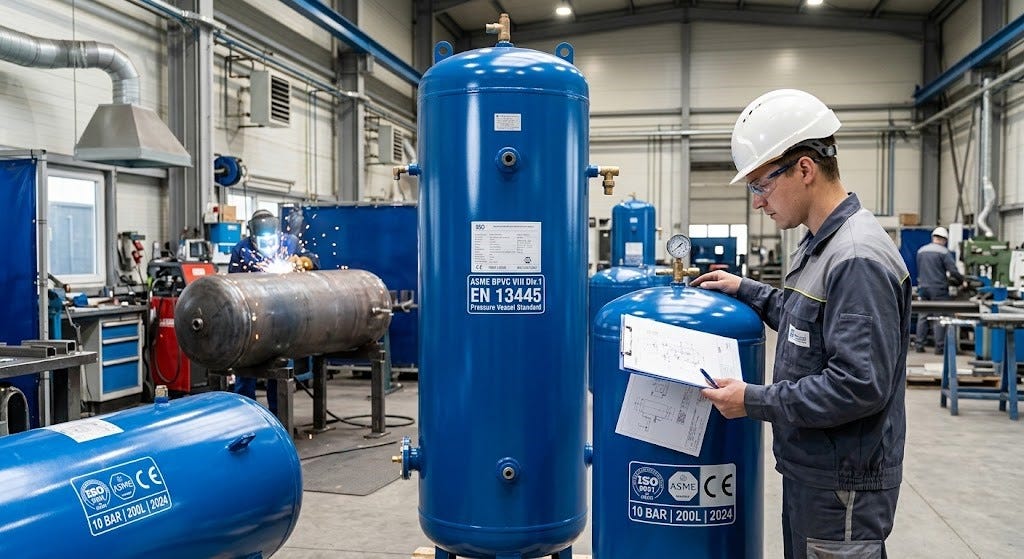
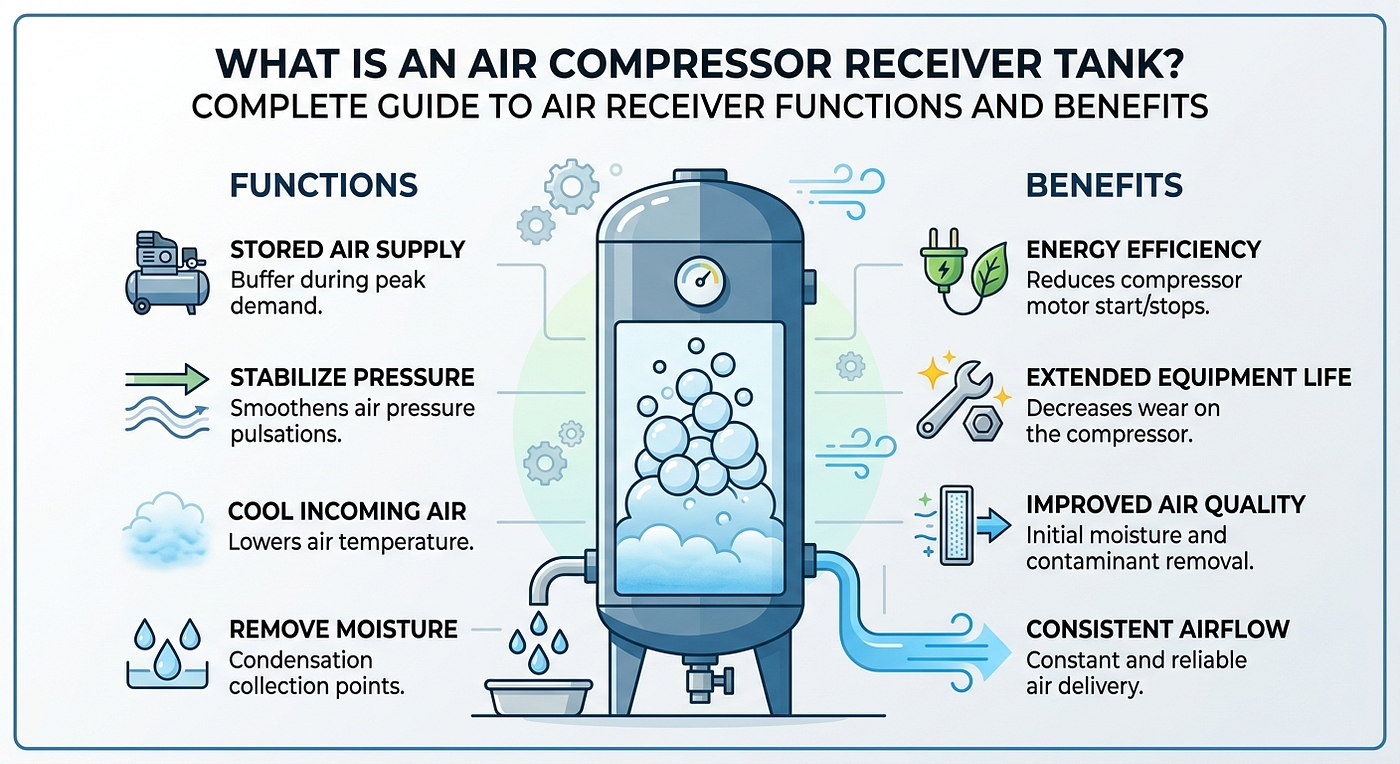
The air receiver tank stores compressed air and balances pressure. In winter, temperature changes can cause condensation buildup.
What to Check:
- External rust or cracks
- Safety valve operation
- Proper insulation
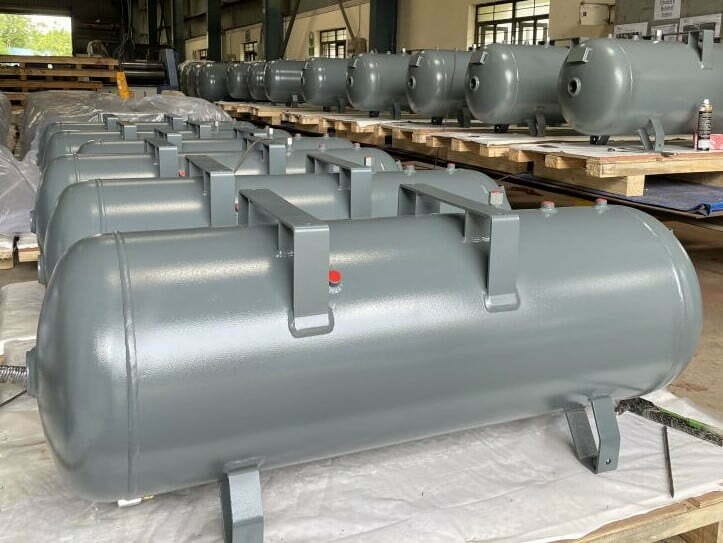
Working with a trusted air receiver tank manufacturer ensures compliance with safety standards and long service life.
Check Air Dryers and Filters
Air Dryers Prevent Freezing
Air dryers remove moisture before air enters the distribution system.
Winter Checklist:
- Ensure dryers operate at the correct dew point
- Clean or replace clogged filters
- Check heater elements in refrigerated dryers
Dry air reduces the risk of frozen pipelines.
Monitor Lubrication and Oil Quality
Cold Weather and Lubricants
Low temperatures make oil thicker, affecting compressor performance.
Maintenance Tips:
- Use winter-grade lubricants if required
- Check oil levels frequently
- Replace contaminated oil immediately
Proper lubrication reduces wear and energy loss.
Insulate Pipes, Valves and Drain Lines
Prevent Freezing in Distribution Lines
Exposed pipelines and valves are vulnerable to freezing.
Best Practices:
- Insulate outdoor pipes
- Protect drain lines with heat tracing
- Avoid low points where condensate collects
These steps help maintain steady air flow.
Inspect for Air Leaks
Leaks Increase in Winter
Metal contracts in cold weather, which can open small leaks.
How to Identify Leaks:
- Listen for hissing sounds
- Check joints and fittings
- Use leak detection spray
Fixing leaks improves efficiency and reduces load on the compressor.
Maintain Proper Operating Environment
Compressor Room Conditions
Compressors perform best in controlled environments.
Winter Recommendations:
- Keep compressor rooms heated
- Maintain adequate ventilation
- Prevent cold air drafts
Stable temperatures improve reliability.
Create a Winter Maintenance Schedule
Planned Maintenance Reduces Risk
A clear winter maintenance schedule helps teams stay organized and avoid unexpected failures. Daily moisture draining prevents water buildup that can freeze and damage the system. Weekly inspections allow technicians to spot leaks, pressure drops, or unusual noises early. Monthly system audits help verify overall performance, safety controls and efficiency.
When teams follow this routine consistently, they reduce breakdowns and keep equipment running smoothly. Regular maintenance also cuts emergency repair costs and extends the system’s service life.
Final Thoughts
Winter maintenance is not optional; it is essential for uninterrupted compressed air operations. Regular draining, proper insulation and careful inspection of the air receiver tank and other components help prevent freezing and equipment damage. By following these simple steps and sourcing equipment from reliable manufacturers, industries can maintain efficiency and safety throughout the winter season.
FAQs
Q1. Why does moisture freeze in compressed air systems during winter? Low temperatures cause condensate inside the system to freeze, blocking air flow.
Q2. How often should the air receiver tank be drained in winter? Daily draining is recommended during cold weather.
Q3. Can insulation alone prevent freezing in compressed air lines? Insulation helps, but proper drainage and air drying are also necessary.
Q4. Does winter increase compressed air energy consumption? Yes, leaks and moisture issues can increase energy usage if not addressed.
메타데이터
- post_id
- e2df2fe16fd7
- slug
- winter-maintenance-tips-to-keep-your-compressed-air-system-running-smoothly-e2df2fe16fd7
- url
- https://medium.com/@teknoflowgreenseo/winter-maintenance-tips-to-keep-your-compressed-air-system-running-smoothly-e2df2fe16fd7
- canonical_url
- https://medium.com/@teknoflowgreenseo/winter-maintenance-tips-to-keep-your-compressed-air-system-running-smoothly-e2df2fe16fd7
- author_url
- https://medium.com/@teknoflowgreenseo
- status
- ok
- fetched_at
- 2026-07-27 16:14:39