BMI for Indians: Ideal Range, Health Risks & How to Manage It
Most of us rely on standard global charts to check our health, but for Indians, those numbers can be dangerously misleading.
BMI for Indians: Ideal Range, Health Risks & How to Manage It
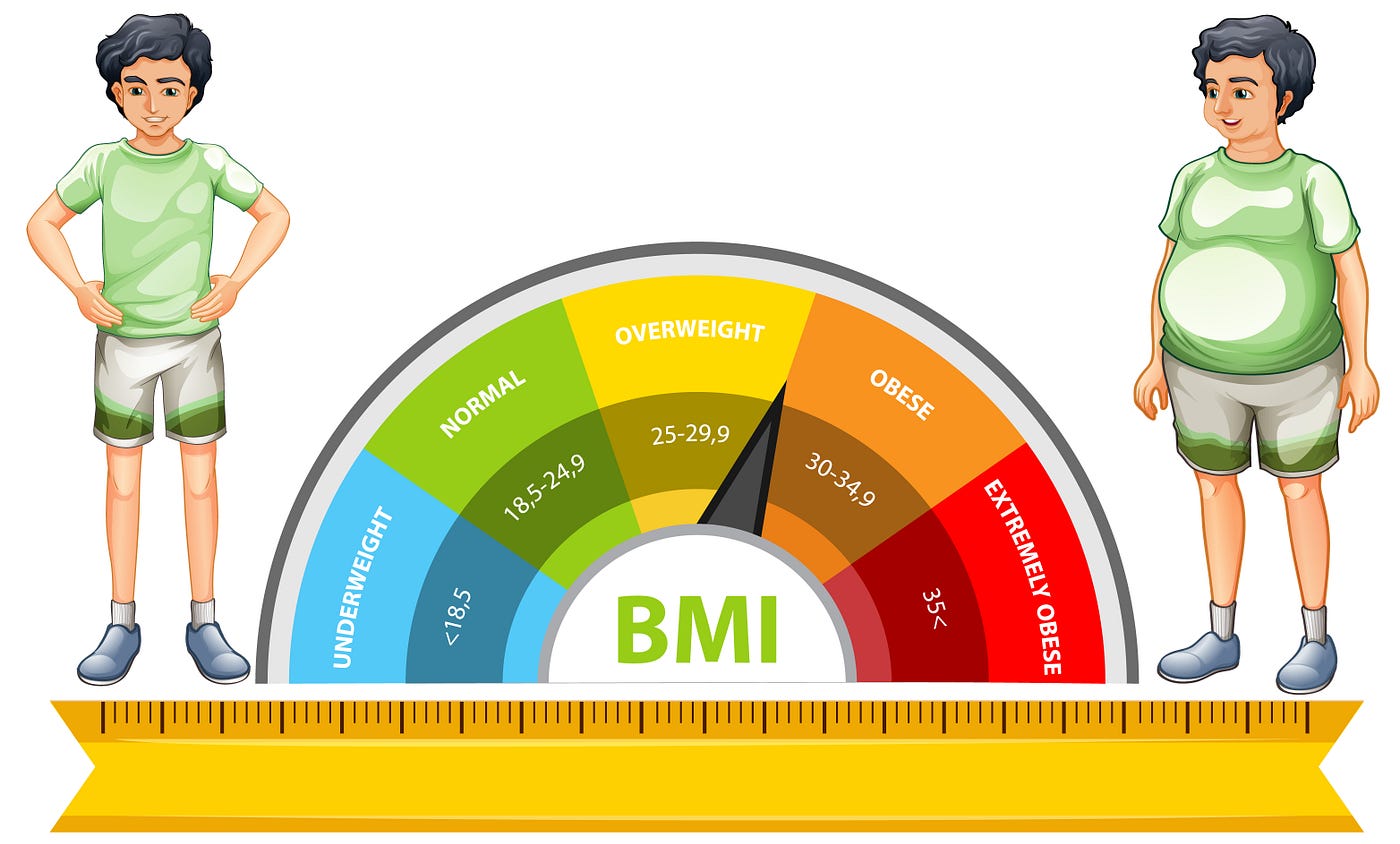
Most of us rely on standard global charts to check our health, but for Indians, those numbers can be dangerously misleading.
According to The Times of India, the ideal BMI range for Indians is considered to be 18.5 to 22.9 because they have a higher risk of health issues like diabetes and heart disease at lower BMI levels than Western populations.
This creates a startling disconnect for many. You might look in the mirror and say, “I am not overweight; my BMI is 24.” If you lived in London or New York, you would be correct. But in India, that number places you squarely in the “Overweight” category.
This biological discrepancy has led the Indian health ministry to revise the healthy BMI range India guidelines. Understanding these numbers is not just about aesthetics; it is about metabolic survival. This blog explains why the rules have changed.
Key Takeaways: Quick Summary
● The “Asian Paradox”: Indians have higher body fat at lower weights than Westerners, increasing disease risk.
● The New Limit: The WHO and Indian consensus define “Overweight” starting at a BMI of 23 kg/m², not 25.
● The “Thin-Fat” Type: Many Indians look slim but carry dangerous visceral fat (Thin Outside, Fat Inside).
● Waist Matters: Waist circumference is a critical health metric (Men
1. Why Is the Indian BMI Standard Stricter?
Before we discuss the numbers, it is essential to understand the tool itself. What is BMI? Body Mass Index (BMI) is a simple calculation used to check if you are at a healthy weight for your height. It is calculated by dividing your weight in kilograms by the square of your height in meters ($kg/m²$). It acts as a screening tool to categorize body weight into: Underweight, Healthy weight, Overweight, and Obesity.
The Indian phenotype can be defined as fat and thin. The South Asian population has a lower proportion of lean muscle mass and a higher amount of non-lean body fat for their weight.
However, there are critical differences in fat distribution: For example, people in Western Countries usually store fat on the subcutaneous level, whereas Indians are genetically predisposed to storing fat in an ectopic location, deep within the abdomen and around the liver. This type of fat called “visceral fat,” is also highly metabolically active, as it emits inflammatory chemicals that create insulin resistance. As a result, an Indian who has a BMI of 24 will have the same metabolic risk factors.
2. What Is the Correct Healthy BMI Range for Indians?

To accurately assess obesity risk in Indians, we must strictly follow the Asia-Pacific guidelines rather than the standard global chart. ● Underweight: BMI less than 18.5 kg/m² ● Normal / Healthy: BMI between 18.5 and 22.9 kg/m² ● Overweight: BMI between 23.0 and 24.9 kg/m² ● Obese: BMI greater than 25.0 kg/m² If your BMI is 25, you are clinically considered obese in the Indian context. Waiting until you hit 30 to start exercising is often too late to prevent metabolic damage.
3. What Are the Hidden Health Risks?
India’s rise to the “Diabetes Capital of the World” stems from this blatant disregard for these exact cutoffs! The risk of Type 2 Diabetes and cardiovascular diseases increases exponentially per unit increase in BMI over 23.
A lower muscle mass within our population results in our inability to effectively remove glucose from the blood due to lower muscle mass, thereby resulting in Metabolic Syndrome — a dangerous combination of hypertension, high blood sugar levels, and abnormal cholesterol levels, which may occur simultaneously!
4. Is BMI the Only Number That Matters?
BMI has blind spots; it cannot distinguish between muscle and fat. For Indians, Waist Circumference is often a superior metric. Since our risk is tied to belly fat, measuring your waist gives a clearer picture of your health.
● For Indian Men: Waist circumference should be less than 90 cm. ● For Indian Women: Waist circumference should be less than 80 cm.
If your BMI is normal (e.g., 22), but your waist exceeds these limits, you still fall into the high-risk category for heart disease.
5. How Can You Manage Your BMI Effectively?
Losing Body Fat Instead of Losing Weight is the Most Effective Way to Achieve Optimal Body Composition
Here are some tips to help get you started:
Focus on Building Muscle
Many people in India do not build enough lean mass and when they deprive themselves of food (starving) it usually backfires and reduces their metabolism. The leading nutritionists say that resistance training (lifting weights or doing bodyweight exercises) a minimum of three times a week helps to develop lean tissue that burns calories while resting.
Balance Protein and Calorie Source
An average person’s diet in India consists mostly of carbohydrates. It is not necessary to completely eliminate carbohydrates, but they should be consumed in different proportions. Make sure each meal contains a quality protein source (dal, milk & milk products, chicken, fish or eggs) as well as an adequate amount of dietary fiber.
Conclusion
It is time to reset our mental scales. Being “chubby” or having a “prosperity paunch” is no longer a sign of good health; it is a medical red flag.
The goal isn’t to look like a model, but to keep your internal organs safe from visceral fat. If your BMI is nudging past 23, view it as a wake-up call. Small adjustments like walking 20 minutes a day and monitoring your waistline can reverse the risk. For personalized
guidance, consult the Department of Clinical Nutrition & Dietetics at Sir Ganga Ram Hospital.
Book an appointment with SGRH today
Frequently Asked Questions (FAQs)
Q1: Can I be healthy with a BMI of 26 if I exercise?
A: Possibly, if you are an athlete with high muscle mass. However, for the average person with a desk job, a BMI of 26 usually indicates excess body fat that needs management.
Q2: Why is belly fat so dangerous?
A: Visceral fat sits deep inside the abdomen, wrapping around vital organs. It releases hormones that disrupt insulin production, leading directly to diabetes and heart disease.
Q3: Is the BMI chart different for children?
A: Yes. Children are measured by “growth percentiles” comparing them to peers of the same age and gender, not fixed BMI numbers.
Q4: How often should I check my BMI?
A: Weekly weigh-ins are sufficient. Daily fluctuations are mostly water. Measure your waist circumference monthly to track true fat loss.
Q5: Does stress affect BMI?
A: Yes. Chronic stress releases Cortisol, which specifically encourages fat storage in the abdominal area. Managing stress is critical for weight control.
메타데이터
- post_id
- e319c8f40efc
- slug
- bmi-for-indians-ideal-range-health-risks-how-to-manage-it-e319c8f40efc
- url
- https://medium.com/@sirgangaramhospital/bmi-for-indians-ideal-range-health-risks-how-to-manage-it-e319c8f40efc
- canonical_url
- https://medium.com/@sirgangaramhospital/bmi-for-indians-ideal-range-health-risks-how-to-manage-it-e319c8f40efc
- author_url
- https://medium.com/@sirgangaramhospital
- status
- ok
- fetched_at
- 2026-07-13 06:23:13
