The Future of Grocery Delivery: Quick Commerce’s Rise in India and Beyond
In recent years, the grocery delivery market has undergone a significant transformation, driven by technological advancements and changing…
The Future of Grocery Delivery: Quick Commerce’s Rise in India and Beyond
papa.bot
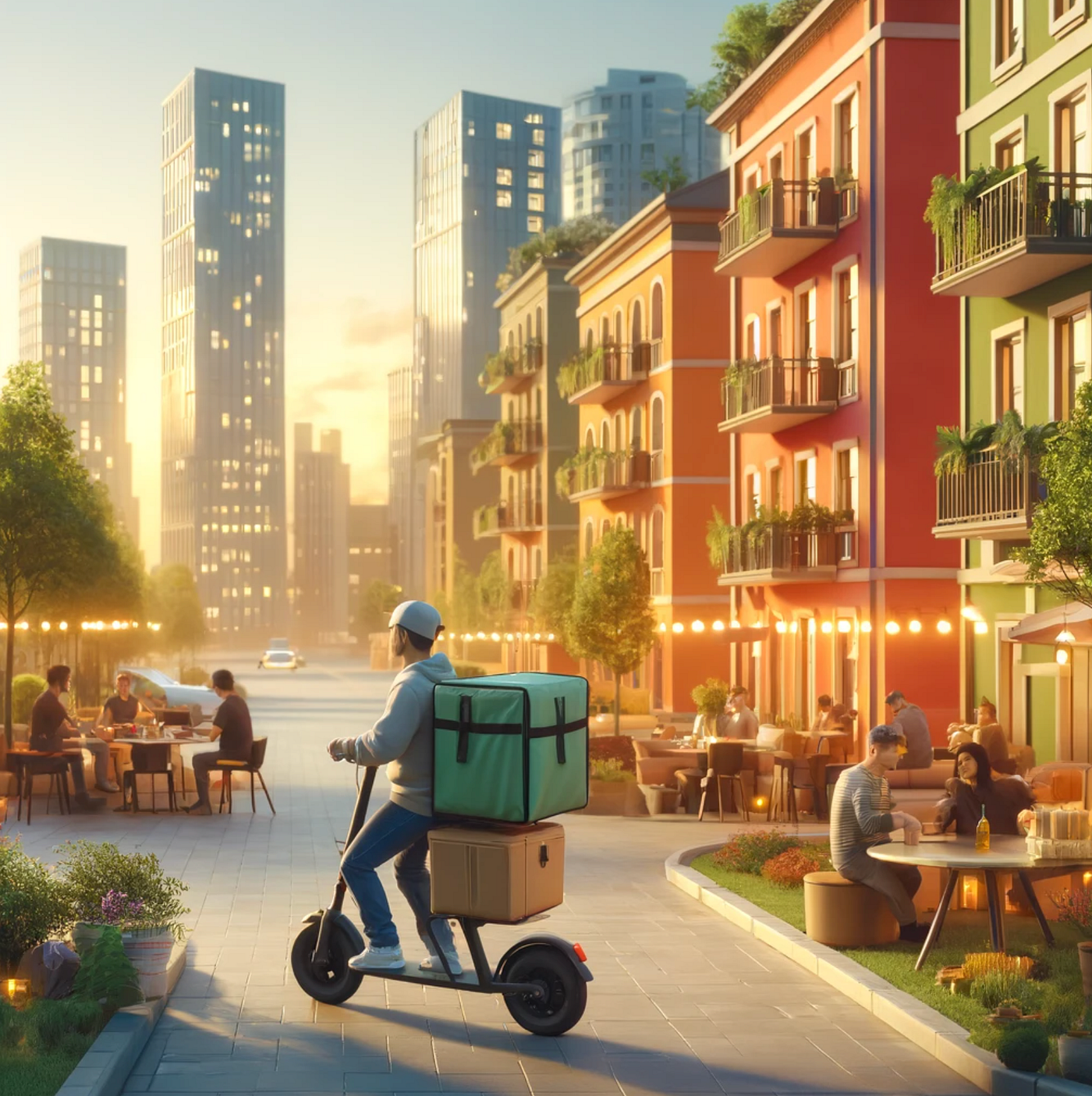
In recent years, the grocery delivery market has undergone a significant transformation, driven by technological advancements and changing consumer behavior. This market encompasses everyday items like food, drinks, pet food, cleaning supplies, and personal care products, which can be delivered through various channels such as omnichannel retail, quick commerce, or directly from stores. Among these, quick commerce has emerged as a particularly promising segment, offering rapid delivery services that cater to the increasing demand for convenience.
Understanding Grocery Delivery Models
The grocery delivery market is broadly categorized into three main types:
- Retail Delivery: Traditional supermarkets and other stores deliver products directly to customers who place orders through online platforms, such as Walmart+ and Amazon Fresh. This model leverages existing retail infrastructure to fulfill online orders.
- Quick Commerce: This model focuses on ultra-fast delivery, often within minutes, through specialized online platforms. Companies like Gorillas, Getir, and Glovo operate smaller, strategically located stores to ensure swift order fulfillment. Quick commerce is designed for consumers who need their groceries and essentials immediately, offering unparalleled convenience.
- Meal Kit Delivery: Subscribers receive boxes containing recipes and fresh ingredients, allowing them to cook meals at home. Services like HelloFresh have popularized this model, which combines the convenience of delivery with the joy of home cooking.
The Quick Commerce Boom in India
India’s quick commerce market is poised for explosive growth. Projections indicate that the market will generate $3.35 billion in revenue by 2024, with an impressive annual growth rate of 24.33% from 2024 to 2029. By 2029, the market is expected to serve 60.6 million users, each generating an average revenue of $127.70. This rapid expansion reflects a broader trend of increasing consumer reliance on fast and efficient delivery services.
China currently leads the global quick commerce market in both revenue and user penetration, showcasing the vast potential for growth in other regions. The Indian market, with its burgeoning middle class and expanding internet penetration, is particularly well-positioned to capitalize on this trend.
Key Drivers of Quick Commerce
Several factors contribute to the rising popularity of quick commerce:
- Convenience: Consumers increasingly value the ability to receive groceries and other essentials quickly, without having to visit physical stores.
- Technological Advancements: Innovations in logistics, data analytics, and mobile technology have enabled companies to optimize delivery routes, manage inventory efficiently, and provide real-time updates to customers.
- Urbanization: The growing concentration of populations in urban areas creates a fertile ground for quick commerce services, which thrive on high-density delivery zones.
- Changing Lifestyles: Busy lifestyles and the shift towards remote work have amplified the demand for convenient delivery options, further fueling the growth of quick commerce.
Challenges and Opportunities
Despite its promising outlook, the quick commerce market faces several challenges:
- Logistics and Infrastructure: Ensuring timely deliveries requires robust logistics and strategically located fulfillment centers. Companies must invest in infrastructure to meet high service standards.
- Sustainability: The environmental impact of rapid deliveries, particularly in terms of packaging and transportation, is a growing concern. Companies need to adopt sustainable practices to address this issue.
- Competition: The market is highly competitive, with numerous players vying for dominance. Success requires continuous innovation and a strong value proposition to differentiate from competitors.
- Consumer Trust: Building and maintaining consumer trust is crucial. Companies must ensure reliable service, quality products, and transparent communication to foster customer loyalty.
The Road Ahead
Quick commerce is set to revolutionize the grocery delivery market, offering unprecedented convenience to consumers. As companies navigate the challenges and capitalize on opportunities, the market is expected to grow rapidly, particularly in emerging economies like India. With the right strategies and technological investments, quick commerce can become a cornerstone of the modern retail landscape, transforming how consumers access everyday essentials.
In conclusion, the future of grocery delivery lies in the ability to deliver fast, reliable, and sustainable services. Quick commerce is at the forefront of this evolution, poised to reshape consumer habits and set new standards for convenience in the digital age.
Join the Quick Commerce Revolution with Papa BOT!
Ready to elevate your quick commerce game? Discover how Papa BOT’s AI-powered solutions can streamline your operations, enhance customer experiences, and drive profitability. Embrace the future of FMCG and e-commerce with our innovative technology.
Contact us today to learn more and get started
메타데이터
- post_id
- e32bb901d147
- slug
- the-future-of-grocery-delivery-quick-commerces-rise-in-india-and-beyond-e32bb901d147
- url
- https://medium.com/@papabot/the-future-of-grocery-delivery-quick-commerces-rise-in-india-and-beyond-e32bb901d147
- canonical_url
- https://medium.com/@papabot/the-future-of-grocery-delivery-quick-commerces-rise-in-india-and-beyond-e32bb901d147
- author_url
- https://medium.com/@papabot
- status
- ok
- fetched_at
- 2026-08-16 11:14:56




