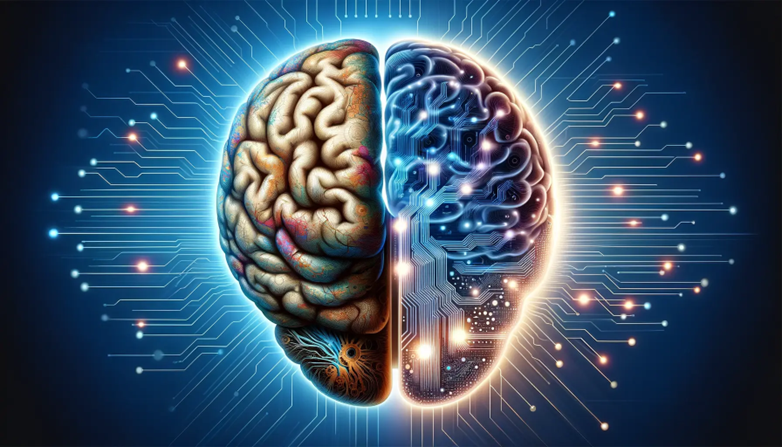
The Decentralized Web
Web 2.0 to Web 3.0
The Decentralized Web
Web 2.0 to Web 3.0
-By Rudraksh Bhardwaj
If you’re reading this blog, there’s a high chance you’re already familiar with the vast world of the internet — websites, apps, media streaming, social media, and everything in between. But did you know the reign is shifting? A new successor is taking over, reshaping how we interact with the web.

We call it Web 3.0 — the advanced, decentralized version of the internet we all know today (Web 2.0).
Before diving into what Web 3.0 is, let’s take a step back and ask: What’s causing this paradigm shift? Why do we even need a new version of the web?
The answer lies in the centralized nature of Web 2.0 — the internet as we know it today. While Web 2.0 revolutionized how we connect, share, and interact online, it also introduced some major issues:
- Centralized Control — A handful of tech giants (Google, Meta, Amazon, Microsoft) control vast portions of the internet, dictating how data is stored, accessed, and monetized.
- Data Privacy Concerns — Users don’t own their data. Instead, corporations collect, store, and monetize it without much transparency.
- Single Points of Failure — Most online platforms rely on centralized servers, meaning outages or cyberattacks can take down entire services.
- Censorship & Control — Platforms have the power to restrict or remove content at will, sometimes with little accountability.
- Monetization Issues — Content creators and developers often earn only a fraction of the revenue their work generates, while platforms take the biggest cut.
These limitations have sparked the need for a decentralized, user-controlled internet — Web 3.0. Instead of corporations owning and controlling everything, Web 3.0 aims to shift power back to users through blockchain technology, decentralization, and token-based economies.

So, now that we understand why the internet is shifting, let’s talk about what Web 3.0 actually is.
At its core, Web 3.0 is a decentralized, trustless, and user-owned version of the internet — one where data isn’t controlled by centralized entities but distributed across a network. Instead of relying on big tech companies to host and manage everything, Web 3.0 uses blockchain technology, smart contracts, and decentralized protocols to create a more open and autonomous web.
Decentralization: The Backbone of Web 3.0
Unlike Web 2.0, where a few corporations own and control most of the internet, Web 3.0 shifts power to peer-to-peer networks. Here’s how decentralization changes the game:
- No Central Authority — Data isn’t stored on a single server but distributed across multiple nodes in a blockchain network.
- User Ownership — Instead of platforms profiting off user data, individuals have control over their own digital identity and assets.
- Censorship Resistance — No single entity can shut down a service or restrict access.

A Quick Look at Web 3.0’s Origins (Very Brief History)
The idea of a more semantic, intelligent, and decentralized web started with Tim Berners-Lee’s vision of the “Semantic Web” in the early 2000s. However, the real shift began with Bitcoin (2009) and Ethereum (2015), which introduced blockchain technology and smart contracts — key building blocks of Web 3.0. Over time, decentralized applications (dApps) and tokenized economies further shaped this new internet model.
Applications of Web 3.0
Web 3.0 introduces some game-changing concepts and technologies that could reshape the way we interact with the internet.

Blockchain & Decentralization: At the core of Web 3.0 is blockchain, the technology that powers cryptocurrencies like Bitcoin and Ethereum. Blockchain makes data storage and transactions decentralized, meaning no single entity controls everything. This is the key to Web 3.0’s promise of a more open and secure internet.
Decentralized Finance (DeFi): DeFi is all about taking traditional financial services — like lending, borrowing, and trading — and making them decentralized. It eliminates the need for banks or other intermediaries, which could open up financial services to everyone, regardless of where they live.
Smart Contracts: These are self-executing contracts that automatically carry out the terms when certain conditions are met. Think of it as a digital agreement that doesn’t need a middleman, making transactions faster and more secure.
Decentralized Apps (dApps): dApps run on blockchain networks instead of centralized servers. This means no single company controls them. Whether it’s social media, gaming, or marketplaces, dApps offer more freedom, privacy, and control over user data.
Conclusion
As we stand on the brink of this technological revolution, Web 3.0 promises a more decentralized, secure, and user-centric internet. It’s not just about cryptocurrencies and NFTs, though they certainly steal the spotlight. At its heart, Web 3.0 is about reclaiming control of the digital world from centralized giants, empowering users with true ownership and autonomy over their data, finances, and digital identities.

While the full-scale adoption of Web 3.0 is still in its early stages, the potential it holds is undeniable. Blockchain, DeFi, dApps, and smart contracts are just the beginning of what could be a complete shift in how we interact online. As we continue to navigate through the evolving digital landscape, it’s clear that Web 3.0 isn’t just a buzzword — it’s the foundation for the future of the internet.
For those looking to dive into this space, now is the perfect time to start exploring the technologies that will shape tomorrow’s web. Whether you’re an aspiring developer, a tech enthusiast, or just someone curious about the future, Web 3.0 is here to stay, and it’s ready to revolutionize how we experience the digital world.
메타데이터
- post_id
- e348bf6829d2
- slug
- the-decentralized-web-e348bf6829d2
- url
- https://medium.com/@ieee.wiemuj/the-decentralized-web-e348bf6829d2
- canonical_url
- https://medium.com/@ieee.wiemuj/the-decentralized-web-e348bf6829d2
- author_url
- https://medium.com/@ieee.wiemuj
- status
- ok
- fetched_at
- 2026-07-21 00:27:25