Why Energy Markets Drive Global Inflation
When inflation begins to rise, most headlines focus on central banks, interest rates, or consumer prices. Yet one of the biggest drivers of…
Why Energy Markets Drive Global Inflation
When inflation begins to rise, most headlines focus on central banks, interest rates, or consumer prices. Yet one of the biggest drivers of inflation often starts much earlier in the supply chain: the energy market.
Oil, natural gas, electricity, and other energy sources power almost every part of the global economy. They fuel trucks, ships, airplanes, factories, farms, and power plants. When energy becomes more expensive, the effects spread far beyond fuel prices. Businesses face higher operating costs, transportation becomes more expensive, and those costs are eventually passed on to consumers.
This is why energy markets play such an important role in inflation and why traders closely monitor oil and natural gas prices even if they never trade commodities themselves.
Energy is an input for almost everything
Unlike many commodities, energy is not simply a finished product that consumers buy directly. It is an essential input used to produce countless other goods and services.
A loaf of bread, for example, requires fuel to power farming equipment, electricity to operate processing facilities, diesel for transportation, and energy to run supermarkets. The same principle applies to cars, clothing, electronics, and even digital services that rely on energy intensive data centers.
When energy prices increase, businesses across almost every sector experience higher costs. Companies then face a choice. They can absorb those costs through lower profit margins or pass them on to customers through higher prices. In many cases, they do both.
Oil influences transportation costs
Crude oil is particularly important because it is refined into products such as gasoline, diesel, and jet fuel.
These fuels keep global supply chains moving.
Every day, millions of goods are transported by: • Trucks delivering products to stores • Cargo ships moving goods across oceans • Aircraft transporting high value products • Rail networks connecting industrial regions
When fuel prices rise, transportation becomes more expensive. Those higher shipping costs eventually feed into the prices consumers pay for everyday goods.
The effect is rarely immediate, but over time it becomes visible throughout the economy.
Natural gas affects more than heating
Natural gas is often associated with home heating, but its role extends much further.
It is widely used to: • Generate electricity • Produce fertilizers • Manufacture chemicals • Power industrial facilities
A sharp increase in natural gas prices can therefore affect agricultural production, manufacturing costs, and electricity bills at the same time.
This became particularly clear during the global energy crisis in 2022, when soaring gas prices pushed inflation higher across many economies.
Energy prices influence inflation expectations
Inflation is not driven only by actual prices. Expectations also matter.
When consumers and businesses see fuel prices rising, they often begin to expect higher inflation in the future.
Businesses may increase prices preemptively to protect profit margins.
Workers may demand higher wages to offset rising living costs.
Consumers may bring forward purchases because they expect prices to continue increasing.
These behavioral changes can cause inflation to spread beyond the energy sector itself.
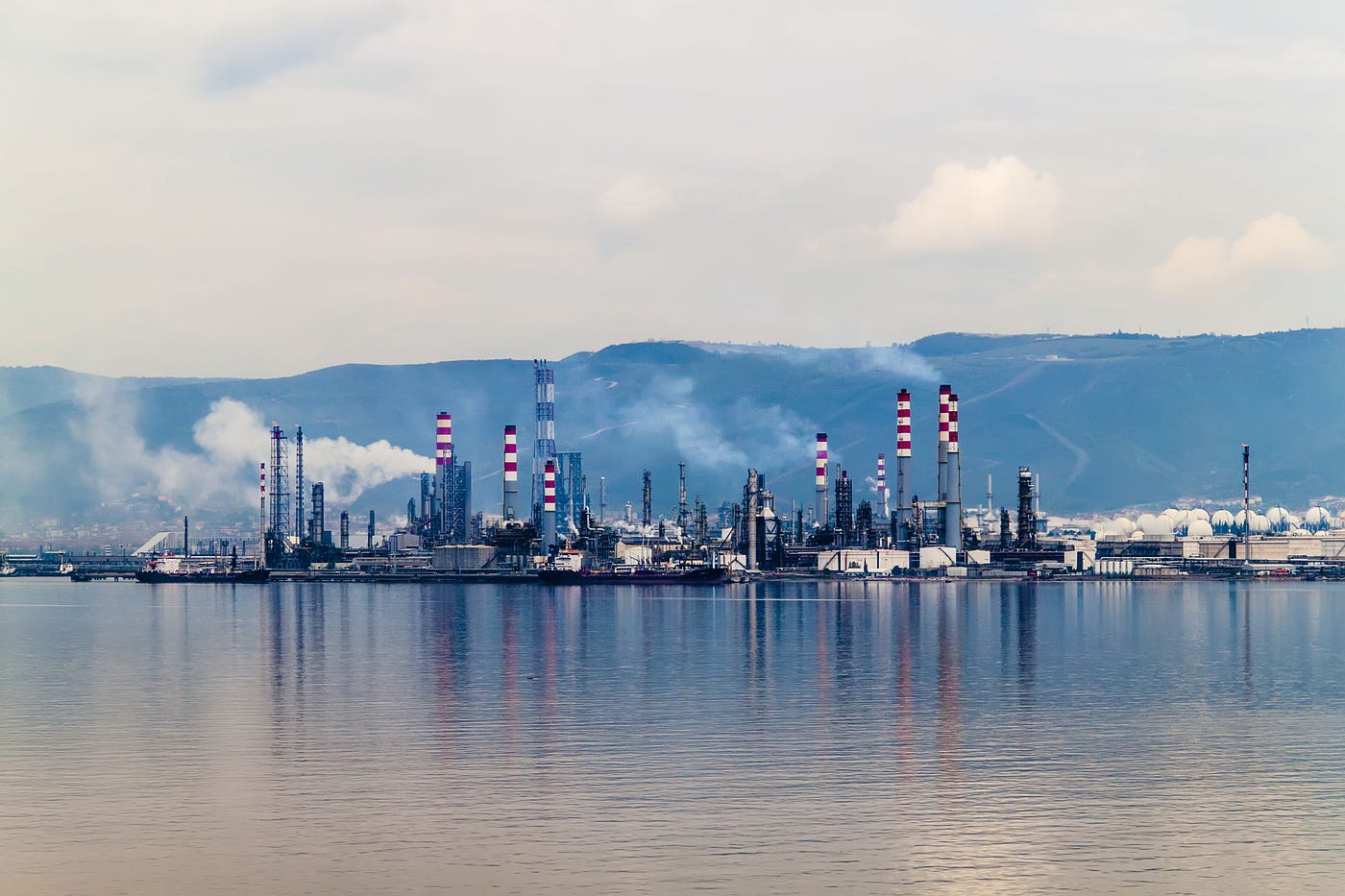
Source: Pixabay
Central banks pay close attention
Although central banks cannot control oil production or natural gas supply, they closely monitor energy prices because of their influence on inflation.
If rising energy costs begin affecting a wide range of goods and services, central banks may respond by tightening monetary policy.
Higher interest rates are intended to slow demand and prevent temporary energy driven inflation from becoming a more persistent problem.
This is one reason why oil prices often influence expectations for future interest rate decisions.
Why energy shocks can move financial markets
Energy markets are particularly sensitive to geopolitical events.
Conflicts, sanctions, hurricanes, pipeline disruptions, or production cuts can quickly reduce supply and send prices sharply higher.
When this happens, investors begin reassessing: • Inflation expectations • Interest rate forecasts • Corporate earnings • Economic growth
As a result, energy shocks often affect far more than commodity markets. Stocks, bonds, currencies, and even cryptocurrencies can react as investors adjust their expectations for the broader economy.
Not every rise in energy prices causes lasting inflation
It is important to distinguish between temporary price spikes and sustained increases.
A short lived disruption may push oil prices higher for several weeks before supply recovers. In that case, the inflationary impact may be limited.
Longer periods of elevated energy prices are more significant because businesses have more time to pass higher costs through to consumers.
This is why economists often focus not only on the size of an energy price move but also on how long it lasts.
What traders should watch
Energy markets provide valuable information about the broader economy.
Rather than looking only at inflation reports, traders often monitor developments in oil and natural gas because they can offer early clues about future inflation trends.
Questions worth asking include:
Are energy prices rising because demand is increasing or because supply is falling?
Are higher prices spreading into transportation and manufacturing costs?
Are businesses beginning to pass those costs on to consumers?
Are inflation expectations moving higher alongside energy prices?
The answers often help explain why central banks and financial markets react the way they do.
Final thoughts
Energy sits at the heart of the global economy. It powers transportation, manufacturing, agriculture, and countless other industries that people rely on every day. When energy becomes more expensive, the effects ripple through supply chains and eventually reach consumers in the form of higher prices.
For traders and investors, understanding the relationship between energy markets and inflation provides valuable context for interpreting economic data and central bank decisions. Inflation does not begin when consumer prices rise. It often begins much earlier, with the cost of powering the world itself.
메타데이터
- post_id
- e371d1ea4e40
- slug
- why-energy-markets-drive-global-inflation-e371d1ea4e40
- url
- https://medium.com/@Go4Trades/why-energy-markets-drive-global-inflation-e371d1ea4e40
- canonical_url
- https://medium.com/@Go4Trades/why-energy-markets-drive-global-inflation-e371d1ea4e40
- author_url
- https://medium.com/@Go4Trades
- status
- ok
- fetched_at
- 2026-07-13 06:23:13