Unified Lending Interface
India’s financial sector has undergone massive transformation over the past decade, fueled by digitization, fintech innovation, and…
Unified Lending Interface
India’s financial sector has undergone massive transformation over the past decade, fueled by digitization, fintech innovation, and government-led reforms like Jan Dhan Yojana, Aadhaar, and the Unified Payments Interface (UPI). While UPI revolutionized digital payments, its success has inspired new frameworks designed to democratize other financial services. One such groundbreaking initiative is the Unified Lending Interface (ULI).
The **Unified Lending Interface** is envisioned as a standardized digital infrastructure that connects borrowers, lenders, regulators, and credit bureaus on a single platform, thereby streamlining the lending process. Much like UPI changed payments forever, ULI has the potential to simplify access to credit, reduce fraud, lower lending costs, and accelerate financial inclusion across India.
This blog dives into what ULI is, why it is needed, how it works, its potential benefits, challenges, and the future of lending in India.
Unified Lending Interface
What is Unified Lending Interface (ULI)?
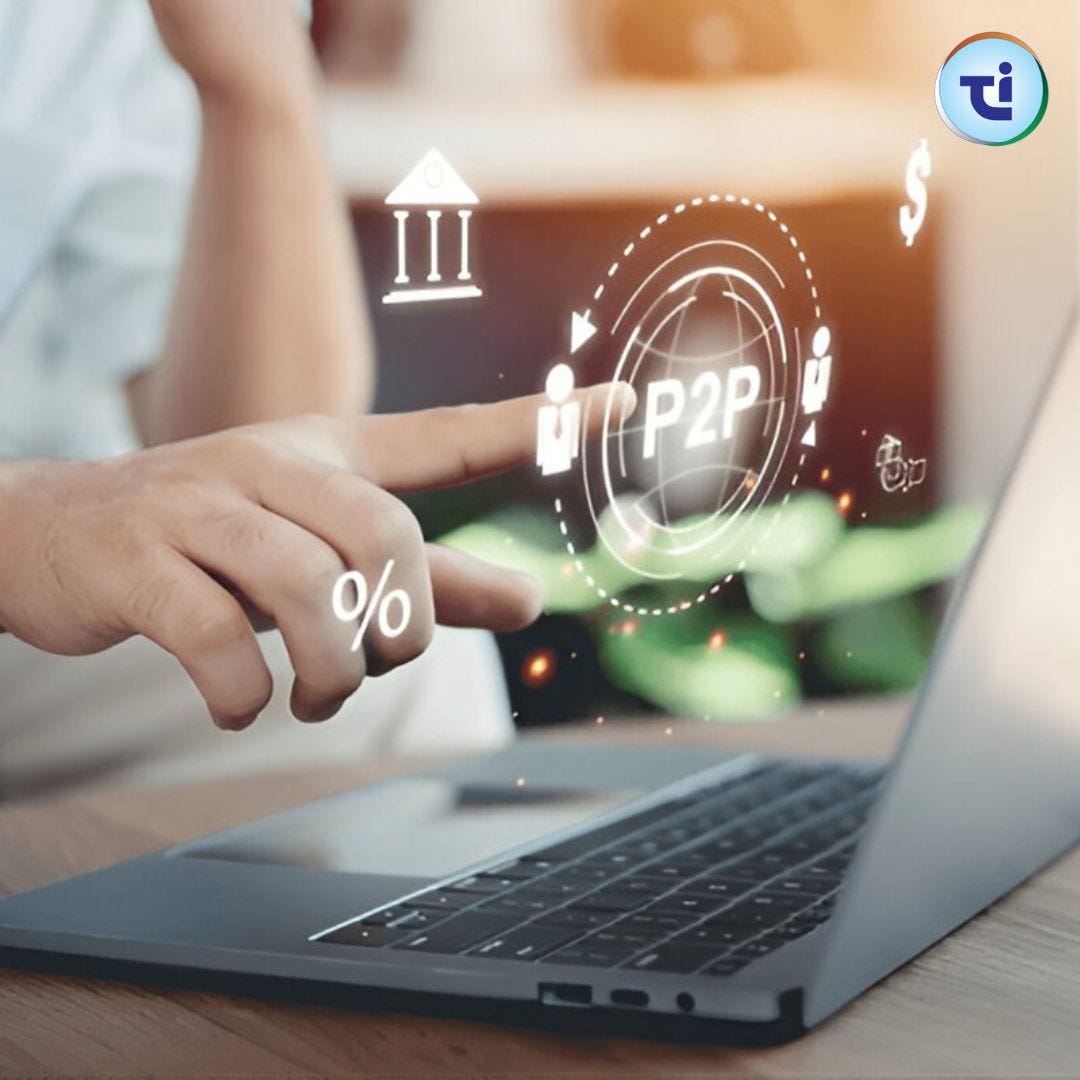
The Unified Lending Interface is a digital public infrastructure that standardizes the lending ecosystem in India. It provides a common protocol for banks, Non-Banking Financial Companies (NBFCs), microfinance institutions, digital lenders, and even peer-to-peer platforms to communicate with one another.
In simpler terms, ULI aims to do for lending what UPI did for payments — remove fragmentation, enable interoperability, and create transparency. It allows borrowers to access multiple credit products seamlessly, while lenders can assess risk in real time using standardized data and frameworks.
The National Payments Corporation of India (NPCI) and other government-backed digital bodies like iSPIRT and RBI-regulated entities are expected to play a significant role in developing this infrastructure.
Why is ULI Needed in India?
India is a credit-hungry nation, but the lending landscape remains highly fragmented. Here are some pressing reasons why a Unified Lending Interface is crucial:
- Credit Gap in India Despite being the world’s fastest-growing economy, India has a significant credit gap, particularly in the Micro, Small, and Medium Enterprises (MSME) sector. According to industry reports, India’s MSMEs face a funding gap of over $300 billion. ULI can bridge this by improving access to credit.
- Fragmented Lending Ecosystem Today, borrowers need to apply separately across banks, NBFCs, and digital lending apps, each with different processes, paperwork, and requirements. ULI will unify these processes into a single standardized framework.
- Fraud and Trust Issues Digital lending apps have been criticized for predatory practices, hidden charges, and harassment of borrowers. A centralized framework like ULI will bring greater accountability and transparency.
- Need for Speed and Efficiency Traditional loan approvals take weeks due to heavy paperwork and manual verification. ULI can provide real-time credit decisions powered by AI, data-sharing protocols, and secure APIs.
- Financial Inclusion Millions of individuals in rural India lack formal credit access due to poor credit history or lack of collateral. With ULI, lenders can use alternative credit scoring models (like digital payments history, utility bills, GST filings) to assess creditworthiness.
How Does Unified Lending Interface Work?
The working model of ULI is built on open architecture and standard APIs (Application Programming Interfaces), ensuring seamless communication between stakeholders.
Here’s a simplified process of how it would function:
- Borrower Application A borrower applies for a loan through any bank, NBFC, fintech app, or even government portals integrated with ULI.
- Data Aggregation The borrower’s data (Aadhaar, PAN, GST returns, payment history, bank statements, etc.) is fetched securely using consent-driven frameworks like Account Aggregators (AA).
- Risk Assessment AI-based models and credit bureaus analyze the data in real time to generate a standardized credit score and risk profile.
- Multiple Lender Offers Based on the borrower’s profile, multiple lenders can extend loan offers instantly, creating a loan marketplace similar to UPI’s payment app ecosystem.
- Loan Disbursement Once the borrower selects an offer, the loan is disbursed digitally and monitored through ULI for repayments, compliance, and fraud detection.
- Regulatory Oversight Since all transactions pass through a common framework, regulators like the RBI have real-time visibility to monitor compliance and protect consumers.
Key Benefits of Unified Lending Interface
For Borrowers
- Faster loan approvals (minutes instead of weeks).
- Transparent comparison of loan offers.
- No hidden charges or predatory lending.
- Easy access to credit for MSMEs, startups, and individuals with thin credit files.
For Lenders
- Reduced operational costs due to automation.
- Better risk assessment with standardized borrower data.
- Access to a wider pool of borrowers across geographies.
- Lower defaults through better monitoring.
For Regulators
- Enhanced visibility into the lending ecosystem.
- Easier monitoring of compliance and fraud detection.
- Ability to protect borrowers from unethical practices.
For the Economy
- Increased credit penetration.
- Boost to MSME growth and entrepreneurship.
- Greater digital financial inclusion.
- Acceleration of India’s GDP growth.
Challenges Facing ULI Implementation
While the potential is massive, the Unified Lending Interface will face several challenges:
- Data Privacy Concerns Borrowers’ financial data is highly sensitive. Ensuring privacy and preventing misuse is critical.
- Integration Complexity India has thousands of banks, NBFCs, and fintech players. Integrating them all under one system will require significant effort.
- Resistance from Lenders Some lenders may resist ULI due to fear of losing monopoly over customers or being forced into greater transparency.
- Digital Divide Rural areas still face challenges like poor internet connectivity and low digital literacy, which could hinder adoption.
- Cybersecurity Risks As with any large-scale digital infrastructure, ULI could be a target for cyberattacks, making strong encryption and resilience essential.
The Road Ahead for ULI in India
The Unified Lending Interface represents a massive leap in India’s journey toward becoming a digital-first economy. Its success, however, depends on strong collaboration between government bodies, financial institutions, fintech startups, and regulators.
Several steps can be taken to ensure smooth rollout:
- Pilot Programs: Testing ULI with a few banks and NBFCs before scaling nationwide.
- Awareness Campaigns: Educating borrowers about transparent credit options.
- Regulatory Sandbox: Allowing fintech startups to experiment with lending models under RBI oversight.
- Robust Security Frameworks: Ensuring borrower data remains safe.
- Inclusivity Focus: Designing the system to include rural borrowers and micro-businesses.
Conclusion
The **Unified Lending Interface (ULI) is not just a technological innovation; it is a socio-economic revolution waiting to unfold. Just like UPI transformed payments and positioned India as a global leader in digital transactions, ULI has the potential to redefine the lending landscape**.
By making credit more accessible, transparent, and efficient, ULI can empower millions of individuals and businesses, drive financial inclusion, and fuel India’s ambition of becoming a $5 trillion economy.
As India prepares for the future, the Unified Lending Interface could emerge as one of the most impactful digital infrastructures in the financial sector — a true game-changer for borrowers and lenders alike.
메타데이터
- post_id
- e3d07eb523a0
- slug
- unified-lending-interface-e3d07eb523a0
- url
- https://medium.com/@theunitedindian274/unified-lending-interface-e3d07eb523a0
- canonical_url
- https://medium.com/@theunitedindian274/unified-lending-interface-e3d07eb523a0
- author_url
- https://medium.com/@theunitedindian274
- status
- ok
- fetched_at
- 2026-08-10 19:38:21