Why Anaemia Should Be a Main Health Focus During Pregnancy in Developing Countries
Introduction
Why Anaemia Should Be a Main Health Focus During Pregnancy in Developing Countries
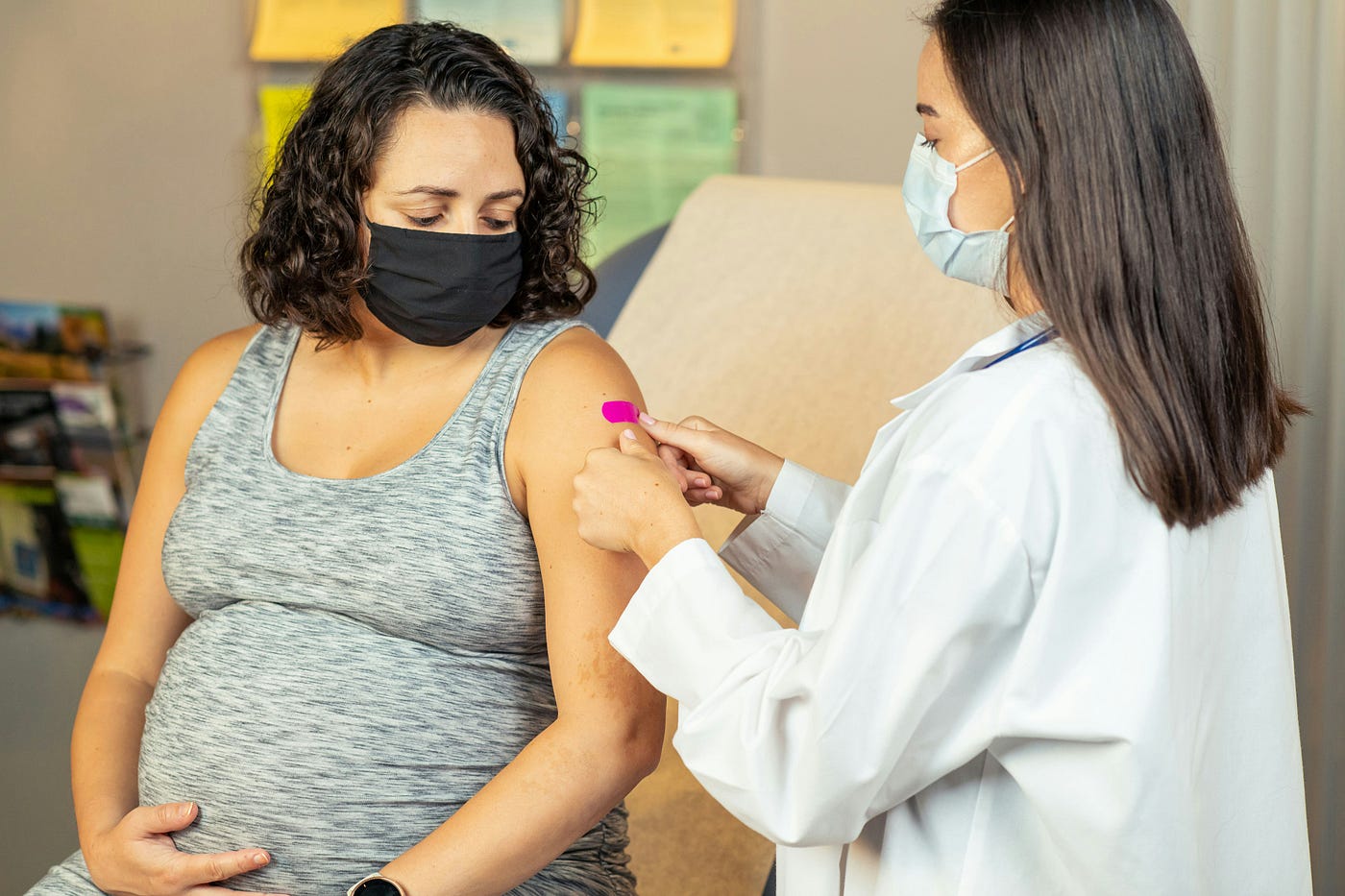
Foto de CDC en Unsplash
Introduction
In most developing countries, maternal health is still one of the most important challenges in improving their public health. In fact, 95% of maternal deaths occur in low-income or lower-middle income countries.[1] PPH has always been the leading cause of these maternal deaths, and the risk of dying from PPH is significantly increased when the woman has anaemia. But what is the link between anaemia and low-income countries? And why does this affect PPH?
Anaemia is a direct consequence of malnutrition, which is found most frequently in low or lower-middle income countries in people who do not have access to a complete healthy diet. There are three main types, anaemia through a Vitamin B12 deficiency, Iron deficiency, or Folic acid deficiency. When people have anaemia, it stops their blood from carrying enough oxygen, and if a woman experiences post-partum haemorrhage (PPH) the probability of her dying when she has anaemia increases 7 times.[2]
Malnutrition in Developing Countries
Malnutrition is very high in developing countries, and it is driven by many different factors, including poverty, food insecurity, limited food diversity, and limited healthcare access. Many women in these countries are experiencing an insufficiency in essential nutrients like iron, folate, vitamin B12, and protein, all of which are the main causes of anaemia.[3]
In developing countries this is more likely to happen, and we can see it at a massive scale. Internationally, it is estimated that 40% of all children aged 6–59 months, 30% of pregnant women, and 30% of women at a reproductive age suffer from anaemia, which directly means that they are malnourished. The regions that are most severely affected are Africa and Southeast Asia, which have a population of 106 million women and 244 million women affected by anaemia respectively.[4]
In order to prevent anaemia, people must consume a diet rich in vitamin B12, folate, iron, protein, vitamin A, and keep a generally balanced diet full of other nutrients. This affects people all throughout the world, but specific diseases that are seen in developing countries also create anaemia. Malaria, schistosomiasis, and general infections can cause it. Obesity, poor hygiene, and pregnancies within 24 months of each other as well as heavy bleeding during menstruation can also be a driving force. Most of these causes are seen most commonly in lower to lower-middle income countries, so there is also a correlation there.
The reason anaemia affects women during pregnancy so much is quite simple. Chronic undernutrition weakens the body’s ability to produce healthy red blood cells and maintain the optimal haemoglobin levels. During pregnancy and menstruation, women are particularly vulnerable due to increased nutritional needs, and they are also particularly sensitive and affected by blood loss.
Menstruation and birth are both major driving forces of blood loss. When women have anaemia and give birth, the blood lost leaves them vulnerable. If they have PPH, the blood loss affects them much faster and harder than most other women. This means that the probability of them dying increases dramatically.[5]
How Malnutrition Leads to Anemia
Anaemia occurs when the body lacks enough healthy red blood cells or haemoglobin to transport oxygen effectively throughout the body. In developing countries, malnutrition is one of the most important underlying causes because it directly interferes with the body’s ability to produce and maintain healthy blood.
The most common form is iron deficiency anaemia. Iron is essential for producing haemoglobin, the protein inside red blood cells that carries oxygen. In many low-income countries, diets are based on grains or starches with little access to iron-rich foods. Even when some iron is present in the diet, poor absorption due to intestinal infections or chronic illness may prevent the body from using it effectively.
Micronutrient deficiencies are also part of the problem. Folate and vitamin B12 are both essential for the formation of red blood cells. Without the proper levels, the body produces abnormal or insufficient blood cells, reducing oxygen transport capacity. Protein deficiency can further worsen the condition because proteins are necessary for cell production and tissue repair.
These causes rarely occur independently. In many developing countries, women simultaneously experience nutrient deficiencies, repeated pregnancies, and limited healthcare access. The combination of these factors creates chronic anaemia that may remain untreated for years before pregnancy even begins.
This demonstrates that anaemia is not an isolated medical condition. Instead, it reflects deeper structural inequalities involving poverty, nutrition, sanitation, education, and healthcare accessibility.[6]
Prevalence of Anaemia Among Pregnant Women
Pregnant women in developing countries experience disproportionately high rates of anaemia because pregnancy itself dramatically increases nutritional demands. During pregnancy, maternal blood volume expands significantly to support fetal development and placental circulation. This process requires large increases in iron, folate, vitamin B12, and protein intake.[7]
For many women in low-income countries, these increased nutritional needs cannot be met. As a result, mild anaemia that existed before pregnancy often progresses into moderate or severe anaemia during the second and third trimesters.
Limited prenatal care also contributes to the high prevalence. In many rural or resource-limited regions, women may attend few antenatal appointments or none at all. This means anaemia could remain undiagnosed until labour begins or complications arise or never be diagnosed at all.
Frequent pregnancies also play a major role. Women who become pregnant within short intervals do not have enough time to replenish iron stores lost through childbirth and breastfeeding. This repeated nutritional depletion gradually weakens the mother’s body over successive pregnancies.
Adolescent pregnancies further worsen the issue. Young mothers are still growing themselves and therefore compete nutritionally with the fetus for essential nutrients. This greatly increases the likelihood of severe anaemia and obstetric complications.[8]
The high prevalence of anaemia among pregnant women illustrates how maternal health cannot be separated from broader social and economic conditions. Poverty, food insecurity, limited female education, and unequal healthcare access all contribute to maternal nutritional vulnerability.
Impact of Anemia on Maternal Outcomes
Anaemia has profound consequences for maternal health because oxygen delivery is essential during pregnancy, labour, and postpartum recovery. When haemoglobin levels are low, the body becomes significantly less capable of blood loss.
The most dangerous consequence is the risk of maternal mortality during postpartum haemorrhage. PPH is already the leading cause of maternal death globally, but anaemia makes it much more severe. A healthy woman may survive moderate blood loss because her blood already carries sufficient oxygen reserves but an anaemic woman that begins labour with reduced oxygen-carrying capacity, will be much more affected if she loses blood.[9]
This suggests that anaemia should not simply be viewed as a secondary condition during pregnancy. We can see that it multiplies risk during childbirth, and conditions that might otherwise be survivable become fatal when severe anaemia is present.
The effects also extend to infants. Maternal anaemia is associated with premature birth, low birth weight, impaired foetal growth, and increased neonatal mortality. Infants born to anaemic mothers are themselves more likely to develop malnutrition and anaemia during childhood, perpetuating the cycle across generations.[10]
This supports a broader theory that anaemia is a systemic maternal condition that makes a pregnant women vulnerable. Rather than being treated as a simple nutritional deficiency, it should be recognised as a central predictor of maternal outcome during pregnancy and childbirth, especially in developing countries or under-resourced areas.
Strategies for Intervention
Addressing maternal anaemia requires a systematic shift in how we view it during pregnancy and also as an integral part of women’s health in general. Because the condition develops over many years through chronic nutritional deprivation interventions should begin before conception.
One important strategy is improving nutrition among girls and adolescents. Ensuring access to iron-rich foods, protein, folate, and vitamin supplementation before reproductive age would strengthen maternal health prior to pregnancy.
Expanding access to antenatal care is just as important. Routine blood screening during pregnancy would allow earlier detection and treatment of anaemia before labour begins. Healthcare systems should prioritise identifying women with moderate or severe anaemia as high-risk pregnancies to prioritise their care during childbirth.
This means a healthcare shift in maternal healthcare is necessary. Maternal healthcare systems in many developing countries focus on emergency obstetric intervention after complications occur. However, anaemia demonstrates the importance of preventive maternal care. Strengthening women nutritionally before childbirth may reduce mortality more effectively than relying solely on emergency treatment during delivery.
This leads to a possible new framework for maternal healthcare policy. Anaemia should be viewed as a “maternal vulnerability multiplier,” meaning it increases the severity of nearly all obstetric complications. Reducing anaemia prevalence could reduce mortality associated with haemorrhage, infection, surgery, and prolonged labour. Therefore, combating anaemia should become one of the primary foundations of maternal healthcare systems in developing countries rather than a secondary nutritional objective.
Conclusion
Malnutrition is still one of the most important underlying causes of anaemia in developing countries, particularly among women of reproductive age. Through iron deficiency, micronutrient deficiencies, chronic infection, and repeated pregnancies, millions of women enter pregnancy already vulnerable. During childbirth, this vulnerability becomes life-threatening, especially in cases of postpartum haemorrhage.
Anaemia doesn’t just increase the likelihood of maternal death, but it also makes recovery harder, increases infant complications, and perpetuates intergenerational cycles of malnutrition.
Because of this, anaemia should no longer be viewed just as a nutritional deficiency to be treated during pregnancy. Instead, it should be recognised as a central determinant of maternal survival. Treating anaemia as a “maternal vulnerability multiplier” offers a new framework for understanding maternal mortality in developing countries. By prioritising nutrition, early prevention, and universal antenatal screening, healthcare systems could significantly reduce maternal deaths and improve long-term outcomes for both mothers and children.
[1] Wei, Y., Luo, H., Liu, X., Sun, G., Liu, J., Wei, X., Cao, C., & Zheng, Y. (2025). Global, regional, and national levels of maternal mortality, 1990–2021: a systematic analysis for the Global Burden of Disease Study 2021. BMC Pregnancy and Childbirth, 25(1), 1359. https://doi.org/10.1186/s12884-025-08456-5
[2] Maternal anaemia and the risk of postpartum haemorrhage: A cohort analysis of data from the WOMAN-2 trial. (2023). THE LANCET, 11(8), 1249–1259. https://www.thelancet.com/journals/langlo/article/PIIS2214-109X(23)00245-0/fulltext
[3] Muller, O. (2005). Malnutrition and health in developing countries. Canadian Medical Association Journal, 173(3), 279–286. https://doi.org/10.1503/cmaj.050342
[4] World Health Organization: WHO & World Health Organization: WHO. (2025, February 10). Anaemia. https://www.who.int/news-room/fact-sheets/detail/anaemia
[5] Maternal anaemia and the risk of postpartum haemorrhage: A cohort analysis of data from the WOMAN-2 trial. (2023). THE LANCET, 11(8), 1249–1259. https://www.thelancet.com/journals/langlo/article/PIIS2214-109X(23)00245-0/fulltext
[6] World Health Organization: WHO & World Health Organization: WHO. (2025, February 10). Anaemia. https://www.who.int/news-room/fact-sheets/detail/anaemia
[7] Anemia in pregnancy. (n.d.-b). ACOG. https://www.acog.org/clinical/clinical-guidance/practice-bulletin/articles/2021/08/anemia-in-pregnancy?utm_
[8] World Health Organization. (2025). Anaemia in women of reproductive age (aged 15–49), prevalence (%), by pregnancy status. Global Health Observatory.
[9] London School of Hygiene & Tropical Medicine. (2026). The missing evidence: anaemia, postpartum bleeding and maternal death. Retrieved from https://anaemiaalliance.who.int/resources/repository/item/the-missing-evidence-anaemia-postpartum-bleeding-and-maternal-death?utm_
[10] World Health Organization. (2025). Anaemia in women and children. Retrieved from https://www.who.int/data/nutrition/nlis/info/anaemia?utm_
메타데이터
- post_id
- e3ec74e553d3
- slug
- why-anaemia-should-be-a-main-health-focus-during-pregnancy-in-developing-countries-e3ec74e553d3
- url
- https://medium.com/@rubiomalagonmartina/why-anaemia-should-be-a-main-health-focus-during-pregnancy-in-developing-countries-e3ec74e553d3
- canonical_url
- https://medium.com/@rubiomalagonmartina/why-anaemia-should-be-a-main-health-focus-during-pregnancy-in-developing-countries-e3ec74e553d3
- author_url
- https://medium.com/@rubiomalagonmartina
- status
- ok
- fetched_at
- 2026-06-09 15:37:30




