How Architectural Visualization and 3D Rendering Services Are Transforming Real Estate Marketing
In today’s architectural and design world, conveying a vision effectively is just as crucial as the design itself. Architectural…
How Architectural Visualization and 3D Rendering Services Are Transforming Real Estate Marketing
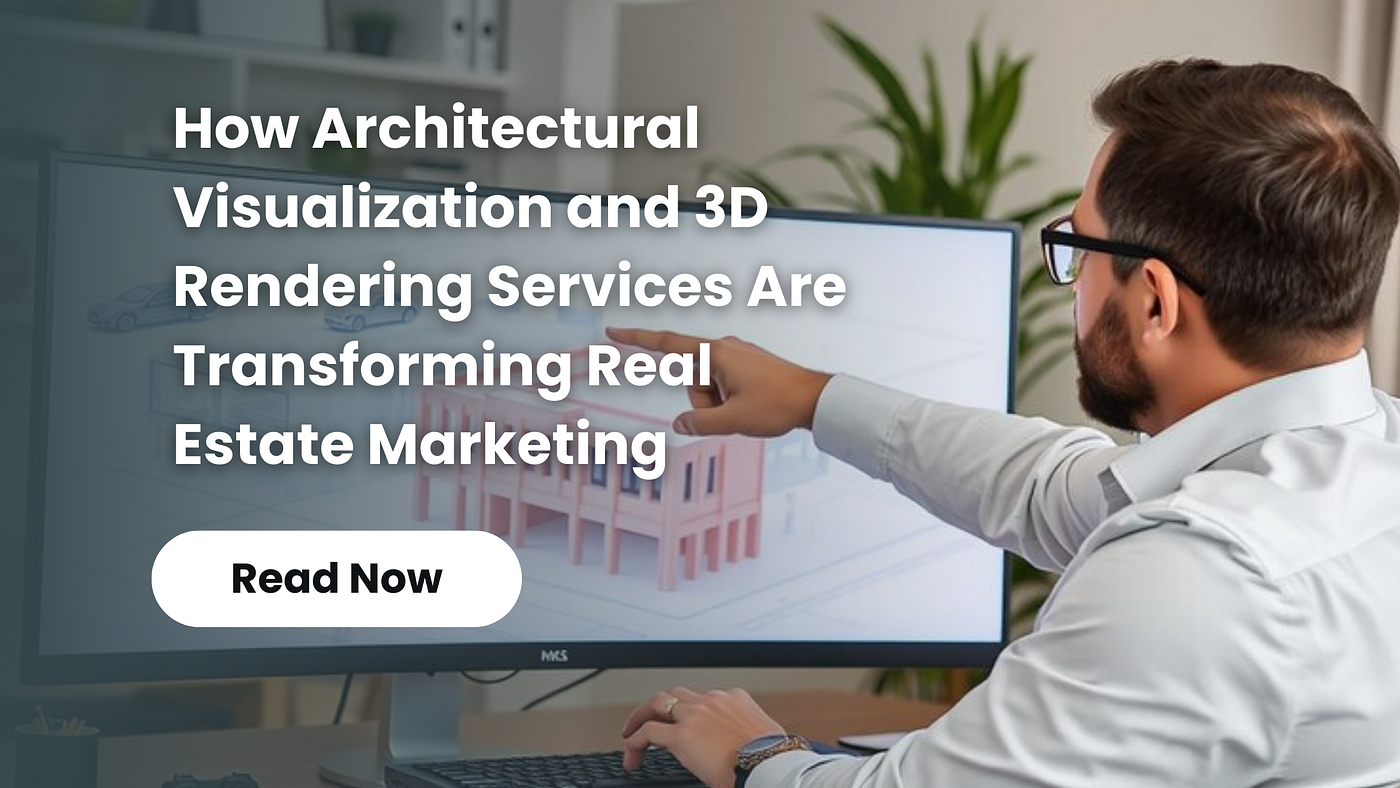
In today’s architectural and design world, conveying a vision effectively is just as crucial as the design itself. **Architectural visualization and 3D rendering services** have revolutionized the way architects, designers, and clients interact with concepts before they are even brought to life. Through these cutting-edge technologies, abstract ideas are transformed into realistic visual experiences. Whether it’s for marketing, project planning, or client approval, 3D rendering provides invaluable insights into the end result.
This blog explores how architectural visualization and 3D rendering services are reshaping the construction and design industries, enhancing communication, and providing clients with more immersive experiences.
What Is Architectural Visualization?
Architectural visualization refers to the process of creating graphical representations of architectural designs using digital tools. These representations allow designers, architects, and clients to see their projects before construction begins. From floor plans to intricate details like textures and lighting, visualization tools offer an accurate preview of what the final product will look like in the real world.
Why is it Important?
- Clear Communication: With a 3D visual, clients can understand a design much better than from a flat 2D drawing or blueprint.
- Realistic Depiction: Visualization provides an accurate depiction of materials, colors, and layouts, helping to clarify any misunderstandings about the design concept.
- Reduced Risks: With better clarity, clients can spot potential design flaws before construction begins, preventing costly revisions.
The Role of 3D Rendering Services in Architecture
**3D rendering** is a crucial element in architectural visualization. It takes the digital models created during the design phase and turns them into photorealistic images or animations. These high-quality images provide a more tangible sense of how a project will look when completed.
Key Benefits of 3D Rendering in Architecture:
- Realism and Detail:
Modern rendering techniques, such as ray tracing and global illumination, allow for lifelike details. Every shadow, texture, and light source can be adjusted, resulting in hyper-realistic visualizations.
2. Client Approval and Engagement:
Traditional blueprints and static plans can be hard to interpret, especially for non-technical clients. 3D renders provide a visual context, making it easier for clients to understand and approve designs. Interactive renders, such as virtual walkthroughs, further increase engagement.
3. Marketing and Sales Tool:
For developers and architects, 3D rendering services are indispensable marketing tools. High-quality visuals can be used in brochures, websites, and presentations to attract investors or prospective buyers, long before the actual project is built.
Types of 3D Renderings Used in Architecture
Architectural visualization and 3D rendering services come in various forms, each designed to fulfill different needs at various stages of a project. Below are some of the most popular types:
1. Exterior Renderings
Exterior renderings provide a comprehensive look at the outside of a building. They showcase how the structure fits into its surrounding environment, helping clients visualize the overall aesthetic, landscaping, and the building’s interaction with natural elements like sunlight and shadows.
2. Interior Renderings
Interior renderings focus on the interior spaces, highlighting room layouts, furniture design, and the interplay of light and materials. These renders are essential for showcasing interior design concepts, allowing clients to visualize how the spaces will feel and function.
3. 360-Degree Virtual Tours
For clients looking for an immersive experience, 360-degree virtual tours are an excellent solution. These interactive visualizations allow users to navigate through a space, as if they were physically walking through it. This type of rendering can be incredibly helpful in large-scale developments like malls, hotels, and resorts.
4. 3D Floor Plans
3D floor plans add depth to traditional 2D blueprints, offering a three-dimensional perspective on layout and space usage. They help both architects and clients better understand how spaces will flow and can be a great tool for real estate marketing.
How Architectural Visualization Improves the Design Process
Architectural visualization is not just about creating pretty pictures; it plays an essential role in the design process itself. By providing realistic visual feedback at various stages of development, it allows architects to make informed decisions.
- Early Visualization:
Before any construction begins, 3D renderings help designers experiment with different layouts, materials, and styles. It gives them the opportunity to test ideas and get immediate visual feedback, speeding up the creative process.
2. Error Detection:
Having a visual representation of the design allows designers and clients to spot issues that may not be clear on paper. Problems related to proportions, spatial arrangement, and even the interplay of light and shadow can be identified and corrected early.
3. Design Iteration and Collaboration:
Architectural visualization also fosters better collaboration. Designers, clients, and engineers can all review and discuss the same visual representation, ensuring that everyone is on the same page throughout the project’s development.
The Future of 3D Rendering and Visualization
As technology advances, so do the capabilities of architectural visualization. Virtual reality (VR) and augmented reality (AR) are already being integrated into 3D rendering services, offering even more immersive experiences. Imagine walking through a building before it’s built, making changes in real-time as you go along — this is the future of design.
Moreover, artificial intelligence is making strides in automating certain parts of the rendering process, allowing for faster and more cost-effective visualizations. This technological progress is helping reduce turnaround times while maintaining the level of detail and realism clients expect.
Conclusion
Architectural visualization and 3D rendering services have moved beyond being mere tools for representation. They have become indispensable assets in design, communication, and marketing. These services not only help architects create more accurate and realistic designs but also enable clients to engage in a more interactive, immersive way. The future of architectural design lies in these technologies, offering limitless possibilities for innovation and collaboration.
If you’re looking to enhance your next project with cutting-edge 3D renderings, visit **RENDEREXPO** to learn more about how they can bring your designs to life.
메타데이터
- post_id
- e4609cd8fa61
- slug
- how-architectural-visualization-and-3d-rendering-services-are-transforming-real-estate-marketing-e4609cd8fa61
- url
- https://medium.com/@renderexpo_/how-architectural-visualization-and-3d-rendering-services-are-transforming-real-estate-marketing-e4609cd8fa61
- canonical_url
- https://medium.com/@renderexpo_/how-architectural-visualization-and-3d-rendering-services-are-transforming-real-estate-marketing-e4609cd8fa61
- author_url
- https://medium.com/@renderexpo_
- status
- ok
- fetched_at
- 2026-06-09 15:37:30




