Radiation Oncology Treatment for Lung Cancer: A Patient’s Guide
A lung cancer diagnosis often brings many questions and emotions. Understanding your treatment options can help you feel more prepared and…
Radiation Oncology Treatment for Lung Cancer: A Patient’s Guide
A lung cancer diagnosis often brings many questions and emotions. Understanding your treatment options can help you feel more prepared and confident as you move forward. Every person’s cancer journey is unique, and treatment decisions are based on several medical factors.
For many patients, radiation therapy plays an important role in controlling cancer, relieving symptoms, or supporting other treatments. Learning how this approach works can help you make informed decisions together with your healthcare team.
Understanding Radiation Therapy for Lung Cancer
**Radiation Oncology Treatment** uses carefully planned, high-energy radiation to destroy cancer cells while protecting as much healthy tissue as possible. It is delivered by a team of specialists that includes radiation oncologists, medical physicists, radiation therapists, and oncology nurses.
The treatment may be recommended as the main therapy, before surgery, after surgery, or alongside chemotherapy or immunotherapy. The choice depends on the type of lung cancer, its stage, your overall health, and your treatment goals.
When Is Radiation Therapy Recommended?
Doctors may recommend radiation therapy in different situations depending on the patient’s condition. It can help treat both early-stage and advanced lung cancer.
Some common situations include:
- Treating early-stage lung cancer when surgery is not suitable.
- Reducing the risk of cancer returning after surgery.
- Working together with chemotherapy for locally advanced disease.
- Relieving symptoms such as pain, coughing, or breathing difficulty in advanced cancer.
Your healthcare team carefully evaluates imaging scans, biopsy findings, and other test results before creating an individualized treatment plan.
Preparing for Treatment
Preparation begins with a planning session called simulation. During this appointment, imaging scans help doctors identify the exact treatment area and determine the safest radiation angles.
Small positioning marks or customized supports may be used to help you stay in the same position during every session. This consistency improves treatment accuracy while protecting nearby healthy organs.
Patients are encouraged to discuss their medications, medical history, and any concerns before treatment begins. Clear communication allows the care team to provide appropriate support throughout the process.
What Happens During Each Session?
Radiation sessions are usually short and painless. Most appointments take only a few minutes, although preparation and positioning may require additional time.
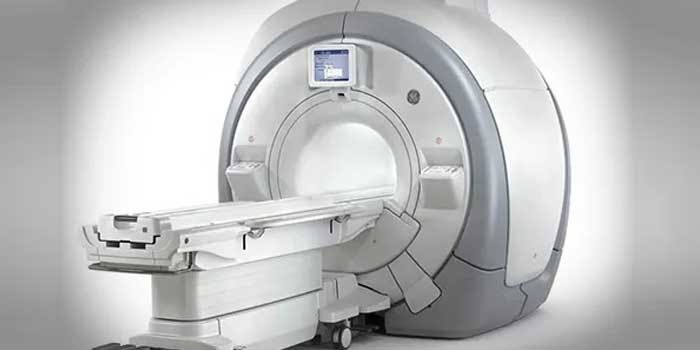
You will lie comfortably on the treatment table while the machine delivers radiation from different angles. The machine never touches your body, and you will not feel the radiation as it is being delivered.
The treatment team monitors you from a nearby room and can communicate with you throughout the session. Most patients return home shortly after each appointment and continue many of their daily activities.
Types of Radiation Used for Lung Cancer
Several radiation techniques are available today. Your doctor chooses the most appropriate method based on the location and characteristics of the tumor.
External beam radiation therapy is the most common approach and directs radiation precisely toward the cancer.
Stereotactic body radiation therapy (SBRT) delivers highly focused radiation in fewer treatment sessions for selected early-stage lung cancers.
Advanced technologies such as image-guided radiation therapy and intensity-modulated radiation therapy improve treatment precision while minimizing radiation exposure to surrounding healthy tissues.
Possible Side Effects
Like every cancer treatment, radiation therapy may cause side effects. These vary depending on the treatment area, radiation dose, and individual health.
Common side effects may include:
- Fatigue that gradually develops during treatment.
- Mild skin irritation in the treated area.
- Sore throat or difficulty swallowing when the chest is treated.
- Temporary cough or mild chest discomfort.
- Reduced appetite during some stages of treatment.
Many of these effects improve after treatment ends. Your healthcare team will provide guidance on managing symptoms safely and effectively.
Caring for Yourself During Treatment
Self-care can make treatment more comfortable and support recovery.
Stay well hydrated and choose balanced meals that provide enough calories and protein. If eating becomes difficult, ask your healthcare team to recommend foods that are easier to swallow.
Adequate rest is important, but gentle physical activity, such as short walks, may help reduce fatigue for many patients.
Protect the treated skin by using mild soaps, avoiding excessive sun exposure, and following your care team’s recommendations for skincare products.
Report any new or worsening symptoms promptly. Early management often improves comfort and helps prevent complications.
Emotional Well-Being Matters
Living with lung cancer affects emotional health as well as physical health. Anxiety, uncertainty, and fear are common during treatment.
Talking openly with family members, friends, counselors, or cancer support groups can reduce feelings of isolation. Many hospitals also provide psychological support services that help patients and caregivers cope with treatment-related stress.
Remember that asking for emotional support is an important part of comprehensive cancer care.
Follow-Up After Treatment
Once radiation therapy is complete, regular follow-up appointments remain essential. These visits allow your doctor to evaluate your recovery, monitor treatment response, and identify any long-term side effects.
Follow-up care may include physical examinations, imaging scans, blood tests, and discussions about your overall health. Keeping these appointments supports timely medical decisions if additional care is needed.
Lifestyle choices such as avoiding tobacco, maintaining good nutrition, staying physically active within your limits, and following medical advice also contribute to long-term health after treatment.
Questions You May Want to Ask Your Doctor
Preparing questions before appointments can help you better understand your care.
You may wish to ask about the goals of treatment, expected benefits, possible side effects, treatment duration, daily activity restrictions, nutritional guidance, follow-up schedules, and available supportive care services.
Having a family member or caregiver accompany you to appointments can also help you remember important information and provide additional support.
Choosing the Right Care Team
Successful lung cancer care depends on teamwork. Radiation oncologists work closely with medical oncologists, thoracic surgeons, pulmonologists, radiologists, pathologists, nurses, dietitians, and rehabilitation specialists.
A multidisciplinary approach ensures that treatment recommendations are based on your individual diagnosis, overall health, and personal preferences. This coordinated care helps patients receive well-balanced, evidence-based treatment throughout every stage of their journey.
Patients looking for **Radiation Oncology Treatment in Chennai** should seek experienced multidisciplinary teams that emphasize personalized treatment planning, patient education, and ongoing supportive care.
Conclusion
Receiving a lung cancer diagnosis can feel overwhelming, but understanding your treatment options can make the journey less uncertain. Radiation Oncology Treatment continues to play a valuable role in helping many patients manage lung cancer with precision and compassion, while modern technology has improved both safety and effectiveness.
For individuals seeking Radiation Oncology Treatment in Chennai, choosing a trusted healthcare team that values patient education, clinical expertise, and compassionate support is essential. **ICCG India** is recognized for providing some of the best cancer care services in Chennai, helping patients and families receive thoughtful, evidence-based care throughout every stage of treatment.
메타데이터
- post_id
- e4875e42e870
- slug
- radiation-oncology-treatment-for-lung-cancer-a-patients-guide-e4875e42e870
- url
- https://medium.com/@iccgindia90/radiation-oncology-treatment-for-lung-cancer-a-patients-guide-e4875e42e870
- canonical_url
- https://medium.com/@iccgindia90/radiation-oncology-treatment-for-lung-cancer-a-patients-guide-e4875e42e870
- author_url
- https://medium.com/@iccgindia90
- status
- ok
- fetched_at
- 2026-07-18 06:07:47