Why Affordable Tools Matter More Than Ever for DIY Electrical Work
The world of electrical testing has changed a lot over the last few years. More homeowners, technicians, and engineering students are…
Why Affordable Tools Matter More Than Ever for DIY Electrical Work
The world of electrical testing has changed a lot over the last few years. More homeowners, technicians, and engineering students are investing in personal toolkits to handle inspections, maintenance, and troubleshooting. This shift is not just about saving money — it is about having the confidence to understand and manage electrical systems safely.
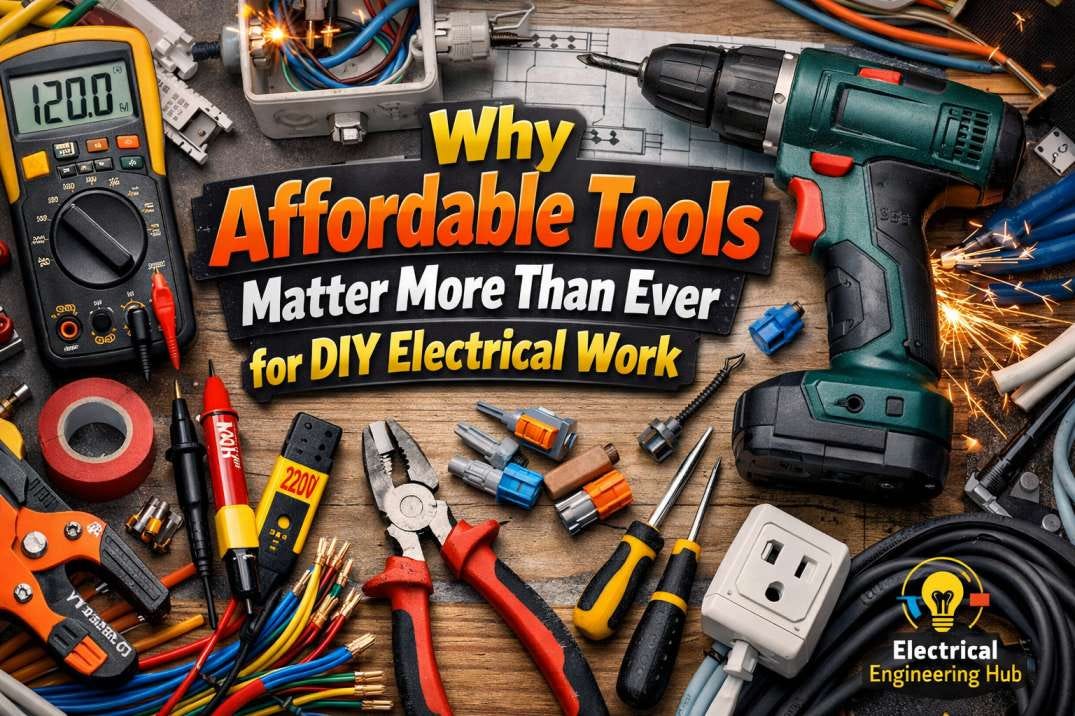
One of the biggest challenges for beginners is knowing where to start. The market is crowded with hundreds of tools, all claiming to be accurate, durable, and budget-friendly. For someone new to electrical work, that can feel overwhelming.
A smart approach is to focus on learning the purpose of each tool before making a purchase. Understanding how a tool fits into your workflow can save both time and money.
Building a Reliable Electrical Toolkit on a Budget
A well-balanced toolkit does not need to be expensive. Many professionals started with entry-level equipment and upgraded only when their workload increased. The key is choosing versatile tools that solve multiple problems.
For example, a multimeter is often the first choice for checking voltage, current, and resistance. But for those who work with live circuits frequently, clamp meters offer an added layer of convenience because they can measure current without disconnecting wires.
This is why many beginners often search for the Best Clamp Meter Under $100 when building their first kit. Finding an affordable option with reliable safety ratings can make a big difference in practical learning.
Beyond meters, a basic toolkit should also include insulated screwdrivers, wire strippers, voltage testers, and proper personal protective equipment. These essentials cover most small-scale troubleshooting tasks.
The goal is not to own every tool immediately. It is to build a practical set that grows with your experience.
Why Knowledge Is More Valuable Than Expensive Equipment
There is a common misconception that better tools automatically create better electricians. In reality, skill development matters far more than tool price.
A technician who understands load calculations, circuit behavior, and testing procedures can often outperform someone with premium equipment but limited practical knowledge.
This is why investing in education is just as important as buying tools. Reading manuals, following safety standards, and practicing on controlled setups can improve your confidence significantly.
Online communities and technical blogs have also become valuable learning spaces. They provide real-world experiences, product comparisons, and troubleshooting insights that are difficult to find in textbooks.
Another important factor is maintenance. Even the most affordable tools can last for years if stored properly and calibrated when necessary. Clean connections, fresh batteries, and routine inspection can preserve accuracy and reliability.
For beginners, the combination of affordable tools and consistent learning creates the strongest foundation.
As electrical systems continue to evolve with solar energy, smart homes, and automation, the demand for skilled individuals will keep growing. Whether you are a student, hobbyist, or aspiring technician, starting small is often the smartest move.
In the end, the best investment is not always the most expensive device — it is the habit of learning, practicing, and improving over time. That mindset builds long-term expertise far beyond any tool you buy.
메타데이터
- post_id
- e488a05e834e
- slug
- why-affordable-tools-matter-more-than-ever-for-diy-electrical-work-e488a05e834e
- url
- https://medium.com/@EEHUB/why-affordable-tools-matter-more-than-ever-for-diy-electrical-work-e488a05e834e
- canonical_url
- https://medium.com/@EEHUB/why-affordable-tools-matter-more-than-ever-for-diy-electrical-work-e488a05e834e
- author_url
- https://medium.com/@EEHUB
- status
- ok
- fetched_at
- 2026-06-24 04:09:36