Aadhaar Masking vs Data Masking: Understanding the Difference and Why It Matters
In a world where data has become one of the most valuable assets, protecting personal information is no longer just an IT responsibility…
Aadhaar Masking vs Data Masking: Understanding the Difference and Why It Matters
In a world where data has become one of the most valuable assets, protecting personal information is no longer just an IT responsibility it’s a business imperative.
Every day, organizations collect, process, and store vast amounts of sensitive data. From identity documents and financial records to healthcare information and customer profiles, businesses are entrusted with information that people expect to remain private and secure.
Among the many techniques used to safeguard this information, Aadhaar Masking and Data Masking often appear in the same conversation. While they share a common goal protecting sensitive information they are not the same thing.
Understanding the distinction between the two is becoming increasingly important as organizations face growing pressure to comply with privacy regulations, prevent data breaches, and maintain customer trust.
The Growing Importance of Data Privacy
Data breaches have evolved from rare incidents into everyday headlines. Cybercriminals target personal information because it can be used for identity theft, financial fraud, and unauthorized access to services.
At the same time, regulators worldwide are introducing stricter privacy requirements, forcing organizations to rethink how they handle customer data.
In India, Aadhaar has become a cornerstone of identity verification across industries. Whether opening a bank account, activating a SIM card, applying for a loan, or accessing government services, Aadhaar plays a critical role in establishing identity.
But with widespread usage comes increased responsibility.
This is where Aadhaar Masking and Data Masking enter the picture.
What Is Aadhaar Masking?

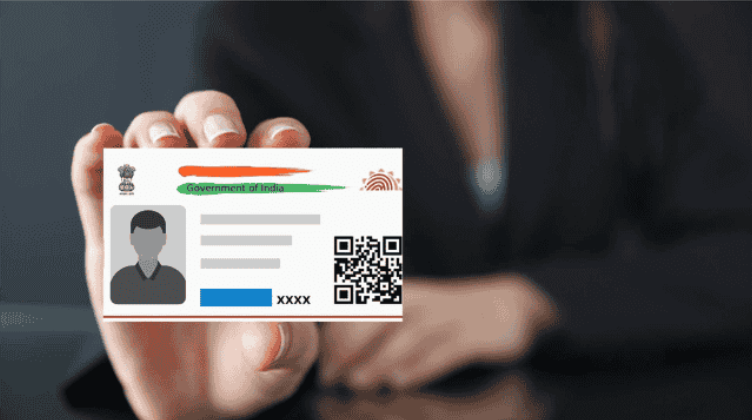
Aadhaar Masking is a privacy protection technique specifically designed for India’s 12-digit Aadhaar number.
Instead of displaying the complete Aadhaar number, the first eight digits are hidden while only the last four digits remain visible.
For example:
XXXX XXXX 1234
This simple approach significantly reduces the risk of identity misuse while still allowing organizations to perform verification processes when necessary.
The concept is straightforward, but its impact is substantial.
By limiting exposure of Aadhaar information, organizations can reduce fraud risks, improve privacy protection, and align with regulatory requirements governing the use of Aadhaar data.
Where Aadhaar Masking Is Commonly Used
Because Aadhaar serves as a primary identity document, masking is widely adopted across several sectors:
Banking and Financial Services
Banks use masked Aadhaar documents during account opening, loan processing, and KYC verification to prevent unnecessary exposure of customer information.
Telecom
Mobile service providers often rely on Aadhaar based verification during SIM activation while masking sensitive identity details.
Insurance
Insurers use masked Aadhaar documents during policy issuance and claims processing to protect policyholder information.
Government Services
Public sector programs and subsidy schemes increasingly rely on masked Aadhaar data to balance service delivery with privacy protection.
Aadhaar Masking focuses on protecting one highly sensitive identifier but one that can have significant consequences if exposed.
What Is Data Masking?
While Aadhaar Masking targets a specific piece of information, Data Masking takes a much broader approach.
Data Masking refers to the process of obscuring, replacing, or anonymizing sensitive information across databases, applications, files, and business systems.
The data being protected can include:
- Credit card numbers
- Bank account details
- Medical records
- Email addresses
- Phone numbers
- Customer addresses
- Financial statements
- Employee information
Instead of revealing actual data, masked versions are displayed or used for operational purposes.
For example, a credit card number:
4567 1234 5678 9876
may appear as:
XXXX XXXX XXXX 9876
The goal is to ensure that systems remain functional while reducing the risk of exposing sensitive information.
Why Organizations Use Data Masking
Data Masking has become a critical component of modern cybersecurity and privacy strategies.
Software Development and Testing
Development teams often need realistic datasets to test applications. Using production data can create serious privacy risks.
Masked data allows teams to test systems without exposing real customer information.
Data Analytics
Organizations can generate insights from datasets without revealing personally identifiable information.
Cloud Environments
Data can be masked before being shared with third party platforms, reducing security and compliance risks.
Compliance Initiatives
Businesses use Data Masking to support regulatory obligations related to privacy, security, and data governance.
In short, Data Masking enables organizations to use data without unnecessarily exposing it.
Aadhaar Masking vs Data Masking: What’s the Difference?
Although both techniques aim to improve privacy and security, they operate at different levels.
Scope
Aadhaar Masking protects a single identifier the Aadhaar number.
Data Masking protects multiple categories of sensitive information across systems and databases.
Purpose
Aadhaar Masking focuses on preventing identity theft and misuse of Aadhaar credentials.
Data Masking focuses on broader privacy and security objectives across entire datasets.
Regulatory Drivers
Aadhaar Masking is closely tied to UIDAI guidelines and industry-specific compliance requirements related to Aadhaar usage.
Data Masking supports wider regulatory frameworks governing personal and sensitive information.
Technology
Aadhaar Masking often relies on OCR and AI technologies to automatically identify Aadhaar numbers within documents and apply masking rules.
Data Masking uses various techniques such as substitution, tokenization, randomization, encryption, and dynamic masking depending on business requirements.
Business Use Cases
Aadhaar Masking is primarily used during identity verification, onboarding, and KYC processes.
Data Masking is commonly used in development environments, analytics platforms, cloud systems, customer databases, and enterprise applications.
The easiest way to think about it is this:
Aadhaar Masking is a specialized form of data protection, while Data Masking is a broader privacy strategy.
Why Masking Matters More Than Ever
Organizations often view masking as a compliance checkbox.
In reality, it’s much more than that.
Masking plays a critical role in reducing business risk and strengthening customer trust.
Protecting Against Identity Theft
Exposed identity information can be used to commit fraud, impersonation, and unauthorized transactions.
Masking significantly reduces this risk.
Reducing Breach Impact
Even if unauthorized access occurs, masked information is far less valuable to attackers than raw data.
Supporting Compliance
Privacy regulations increasingly emphasize minimizing exposure of sensitive information.
Masking helps organizations demonstrate responsible data handling practices.
Building Customer Confidence
Consumers are becoming more aware of how organizations use their personal information.
Businesses that prioritize privacy are more likely to earn long-term trust and loyalty.
Final thoughts
The conversation around data protection is evolving rapidly.
Organizations are no longer judged solely on how effectively they use data but also on how responsibly they protect it.
Aadhaar Masking and Data Masking represent two essential layers of modern privacy strategies. One protects a critical identity credential used by millions of Indians. The other safeguards sensitive information across the broader digital ecosystem.
Neither should be viewed as optional.
As cyber threats increase and privacy expectations continue to rise, organizations that invest in robust masking practices will be better positioned to maintain compliance, reduce risk, and strengthen customer relationships.
This blog is originally published in: https://aadhaarmasking.com/aadhaar-masking-vs-data-masking-everything-you-need-to-know.html
메타데이터
- post_id
- e49f0fc8f92b
- slug
- aadhaar-masking-vs-data-masking-understanding-the-difference-and-why-it-matters-e49f0fc8f92b
- url
- https://medium.com/@pixldm1/aadhaar-masking-vs-data-masking-understanding-the-difference-and-why-it-matters-e49f0fc8f92b
- canonical_url
- https://medium.com/@pixldm1/aadhaar-masking-vs-data-masking-understanding-the-difference-and-why-it-matters-e49f0fc8f92b
- author_url
- https://medium.com/@pixldm1
- status
- ok
- fetched_at
- 2026-06-26 21:52:29