Safety in the Skies?: A Reflexive Guide to Thinking Beyond Security Theatre
How reflexivity can guide us through the theater of safety in air travel and beyond.
Safety in the Skies?: A Reflexive Guide to Thinking Beyond Security Theatre
How reflexivity can guide us through the theater of safety in air travel and beyond.
It was a typical morning commute — a flight from St. John’s to Toronto — but with a twist. I was flying with a new airline, escaping the usual headaches of the heavily subsidized carrier that operates with impunity, whose name is synonymous with frustration in Canada. The flight was delayed, but no matter; I was deep in my golden productivity hour, laptop open, one coffee down, navigating the sweet spot of morning flow before the sun even graced the eastern skies of Newfoundland.
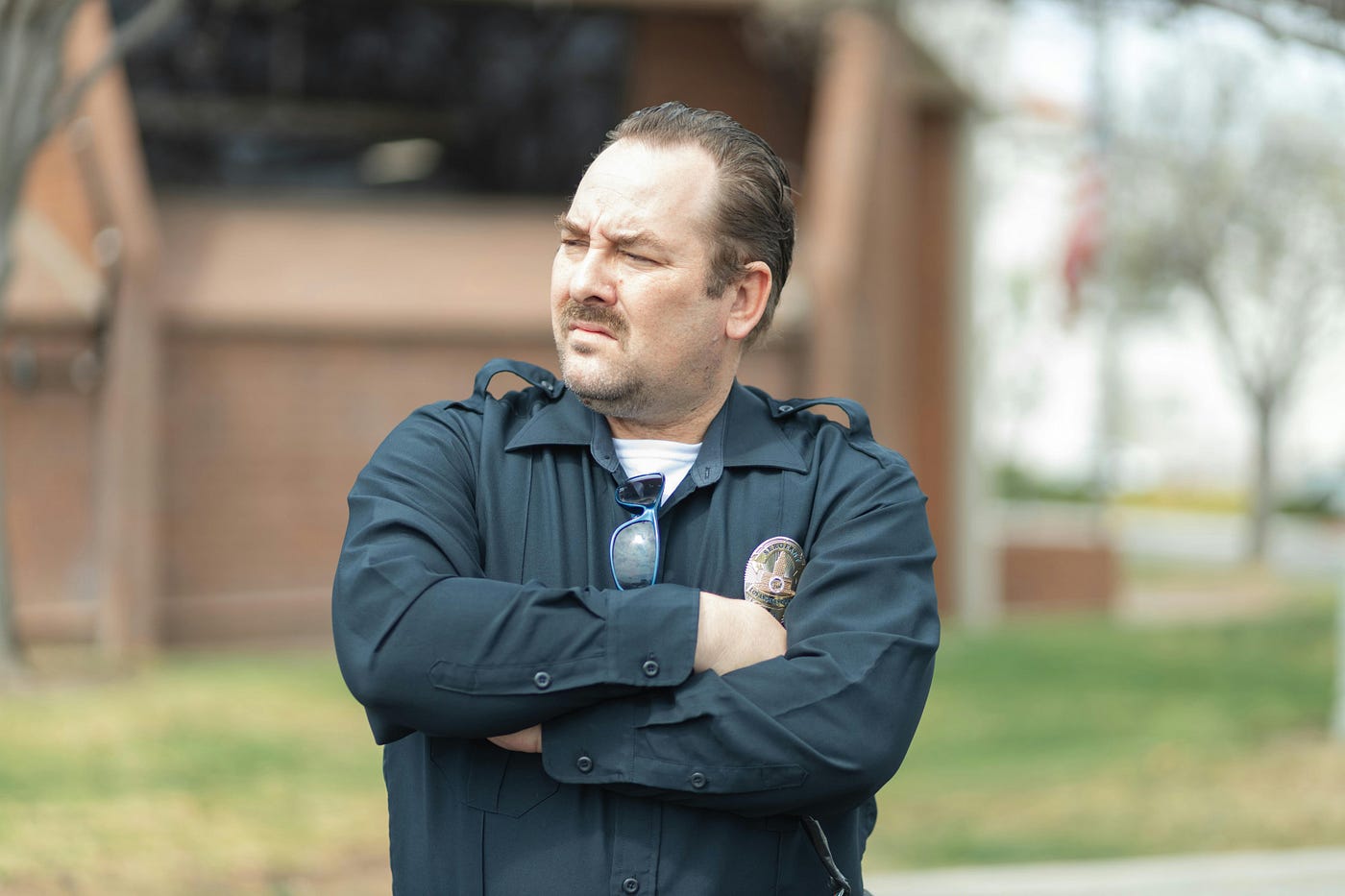
Photo by Eva Darron on Unsplash
Then came the interruption before taxying. A standard pre-flight check. A flight attendant approached, her tone cordial but firm: my laptop needed to be stored — immediately. “It’s for safety,” she said, as if the word itself were enough to disarm my resistance. I paused, a mix of curiosity and frustration simmering as I hesitantly complied — but not without wondering: What does she mean by safety?
Whose safety, I wondered. Mine? Or the corporate liability of the airline? Or society’s broader faith in the ritual of compliance?
The Paradox of Safety: Non-Events and Security Theatre
As someone immersed in public safety studies — a field that bridges human factors, psychosocial hazards, and organizational behavior — “safety” is more than a buzzword to me. It’s a misnomer: a dynamic non-event. Most of the time, safety means nothing happens. Planes don’t crash. Passengers don’t trip. Yet our evolutionary wiring primes us to fixate on the rare, sensational outliers — a single turbulence-induced laptop injury rather than the thousands of uneventful flights.
And then there’s security theatre — the performance of safety. This is less about objective reality and more about creating a sense of feeling safe. From TSA rituals to in-flight regulatory demonstrations and pamphlets, it’s a show designed to inspire confidence, even as it sometimes borders on the absurd. Show of hands, please: who here needs a demo on how to navigate one’s seatbelt? Excuse me while I roll my eyes — or, more accurately, work away on my laptop.
I note it was the same flight attendant who ever-so-kindly redirected me to the rear lavatory — a few moments prior when trying quickly to pee before takeoff — despite having already walked to the back of the aircraft only to be pointed to the fore restroom by their colleague. So I could be forgiven, moments later, when I rolled my eyes (figuratively, not literally) as this same person insisted my laptop couldn’t stay in arm’s reach — in the seat pocket in front of me — but rather, needed to be stowed; proceeding to take the device from my hands. This was a first for me. The justification? Safety.
Reflexivity in the Face of Rituals
This minor confrontation aboard a delayed flight highlights a deeper truth: safety is at least in part subjective. It’s an emotional environment shaped by social climates, organizational behaviors, and personal thresholds for risk. To unpack these layers, I advocate for a reflexive practice — the art of pausing, questioning, and situating oneself within the broader narrative. As Mark Twain wisely said, “Whenever you find yourself on the side of the majority, it’s time to pause and reflect.”
To be sure, I am not advocating acting the fool and enacting violence:
[embed]Cellphone video captures passenger punching Delta flight attendant at MIA by WSVN-TV
Helping to mitigate such shenanigans, here are three ways reflexivity can help you navigate safety and security theatre — in air travel and beyond:
1. Pause and Reflect: When told to store my laptop, my instinct was to engage in debate. After all, I’m supposed to be a scholar on the subject! Instead, I paused. Reflexivity here means positioning through reflection. For me, it started by recognizing the tension between my own understanding and the broader narrative. Ask: What exactly does ‘safety’ intend to invoke? In my case, this meant questioning whether the rule was about hazard prevention, organizational liability, or something else.
2. Separate Myth from Evidence: Air travel is rife with rituals that blur necessity with convention. Signage like “Watch Your Step” may make sense but messaging like “See Something, Say Something” is more likely a function of liability — or bureaucratic entrepreneurialism — than facilitating personal safety. Consider: is the rule rooted in real risk mitigation, or is it a relic designed to manage perception? Question whether these measures truly protect passengers or perpetuate a false sense of security.
3. Take Perspective: Imagine arguing both for and against the rule. On one hand, safety protocols exist for a reason: to prevent harm in unpredictable environments. On the other, these rules can infantilize passengers, reducing them to widgets in a regulatory machine. By considering both sides, we embrace critical thinking and a more nuanced understanding. Perspective-taking helps us balance the practicalities of precaution with the recognition of overreach.
Part of this perspective-taking has to do with the levels of safety climate detailed in a recent meta-analysis.

Adopted from Luo (2020; Figure 10) — a depiction of how safety climate is layered
Safety as the New Religion
Sydney Dekker, a pioneer in safety science, argues that safety has become a kind of modern religion, filling the void left by declining church attendance. Its rituals — whether removing shoes at security or stowing laptops during takeoff — demand faith, not evidence. But unlike religion, safety rituals often lack the solace or meaning of deeper truths. They’re transactional, rooted in liability rather than community.
This comparison invites us to question: when do safety measures foster genuine well-being, and when do they perpetuate fear or complacency?
Empathy for the Enforcers
As we began our descent into Toronto, I reflected on the flight attendant who enforced the laptop rule. She wasn’t the villain in my story; she was a professional navigating the complexities of her role. Her job demands empathy, influence, and constant exposure to regulatory stress. Had I pushed back — even in jest — I might have added to her emotional toll.
This moment reminds me of the broader challenge: how can organizations respond to human needs without conflating safety with liability? How can empathy and practicality coexist in environments governed by rules?

Adopted from Dekker (2018; Figure 7.1) a hypothesis depicting safety as a new kind of religion
An Invitation to Reflect
This routine flight affirms a belief in the value of reflexivity for me. It’s not about rejecting norms but questioning their purpose. So, dear reader, I invite you to do the same:
When do you feel truly safe, and why?
How often do safety measures reflect liability rather than genuine protection?
What rituals in your life deserve deeper scrutiny?
Drop me a line and share your thoughts. Whether it’s about air travel, workplace protocols, or the everyday rituals that shape our lives, I’m curious to hear where my blind spots might be — and where yours are too. Let’s build a conversation rooted in critical thinking and shared humanity.
After all, safety is a dynamic non-event — but our understanding of it should always be evolving.
Micheal P. Taylor | editor of *Mic. in Motion*, a newsletter for pracademics’ guide on how to live an examined, quality of life. Follow on X for antics, and find his GoogleScholar page for research publications in criminology, human factors, and safety science.
Further Reading
Dekker, S. (2018). The Safety Anarchist. Routledge.
Luo, T. (2020). Safety climate: Current status of the research and future prospects. Journal of Safety Science and Resilience, 1(2), 106–119.
메타데이터
- post_id
- e4b0a7ef04c7
- slug
- safety-in-the-skies-a-reflexive-guide-to-thinking-beyond-security-theatre-e4b0a7ef04c7
- url
- https://medium.com/@TaylorMike/safety-in-the-skies-a-reflexive-guide-to-thinking-beyond-security-theatre-e4b0a7ef04c7
- canonical_url
- https://medium.com/@TaylorMike/safety-in-the-skies-a-reflexive-guide-to-thinking-beyond-security-theatre-e4b0a7ef04c7
- author_url
- https://medium.com/@TaylorMike
- status
- ok
- fetched_at
- 2026-06-27 23:56:40