How Philip Grew A Successful Side Project To $5,000 In Monthly Revenue
A path to freedom.

Philip Baretto, founder of Tiiny.host
How Philip Grew A Successful Side Project To $5,000 In Monthly Revenue
A path to freedom.
Philip Baretto is building a business on his own terms. After getting burned by the corporate world, he started Tiiny.Host, a company that hosts your project on the internet in the fastest and easiest way possible.
This side project has now grown to a monthly recurring revenue of $5000.
In our interview, Philip explains how he found the idea, what has helped him grow the most and what mistakes he’d avoid if he started it all over again.
Let’s dive in.
Philip’s Background
“I studied Computer Science and have always been interested in building and making things. Then, I got an internship at one of the big banks as a software engineer.

It looked like a dream job but I absolutely hated it. I disliked the whole corporate environment which, I guess, is a similar story to most founders.
I realized I much prefer building and making things on my own.
It was the first “real” job I ever had. Prior to that, I used to make websites for people for pocket money as a kid. I was a self-taught programmer from a young age.”
First Mistakes As An Indie Hacker
“After going back to the University for my final year, I accepted an offer from the bank and joined them for their graduate scheme. What should have been a 6-month program turned into 4 years.
In that period, I was building side projects. One of the first projects I did was a social planning app that allowed friends to arrange dinner, plans for drinks, or other simple meetups. I still believe it to be a massive problem but it’s also a very hard one to solve.

I made a whole lot of mistakes in developing the project.
I allowed anyone who was interested in the project to come and join me. We ended up with 5 co-founders, all being my friends. And only 2 of them did any work!
We spent 6 months building without getting any user feedback, we launched it (surprise, no one used it!) and we didn’t focus on marketing. Instead, we kept adding features.
We got a few thousand users but the app wasn’t really growing and monetizing it was problematic.”
Path Forward
“I kept in touch with one of the co-founders. He had an idea to build a software product for a law firm. It ended up being Flowace, a time tracking, and project management software.
It got funded and I joined the team as a CTO and co-founder.
We grew a team of 10–12 engineers, all based in India, which were all managed remotely.
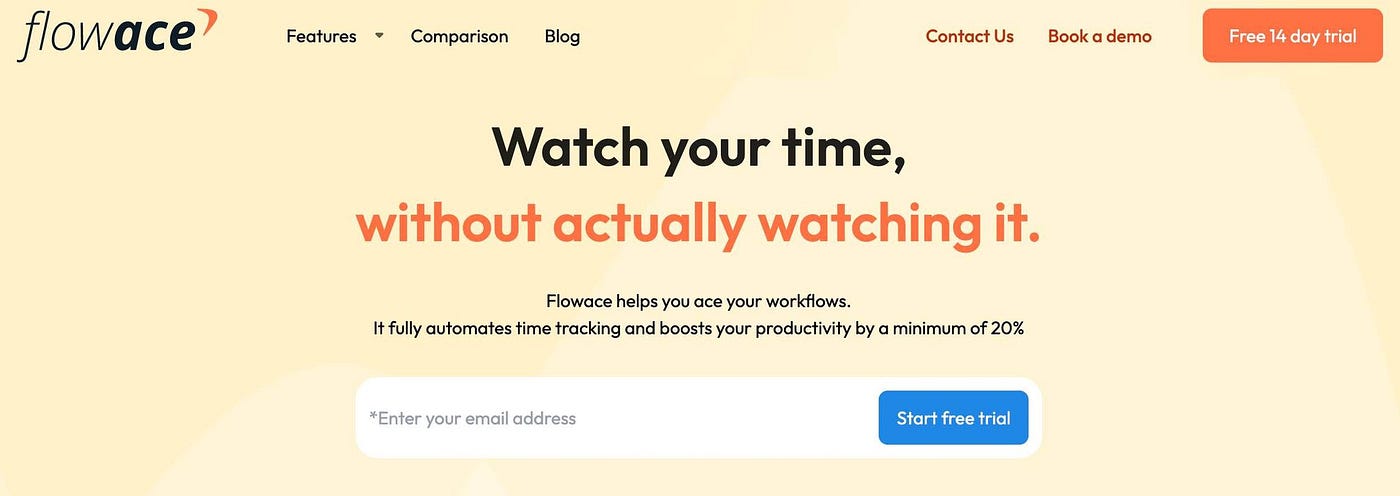
The business side didn’t really kick off after a year. We made the product but couldn’t get enough clients so I decided to take a step back.
They’re doing better now once remote work exploded.”
Getting Your App Featured On The Play Store
“After Flowace, I went back to full-time employment, but I was always eager to start something of my own.
I made a running app for beginners, based on the “couch to 5k” principles. It helped people who had never run to start running.
I didn’t like any of the apps on the app store at the time — they were badly designed and full of ads. I decided to make something better. This was the first project I did on my own.
It did relatively well. Google even featured it on the Play Store. It drove quite a lot of downloads — at least 60,000.
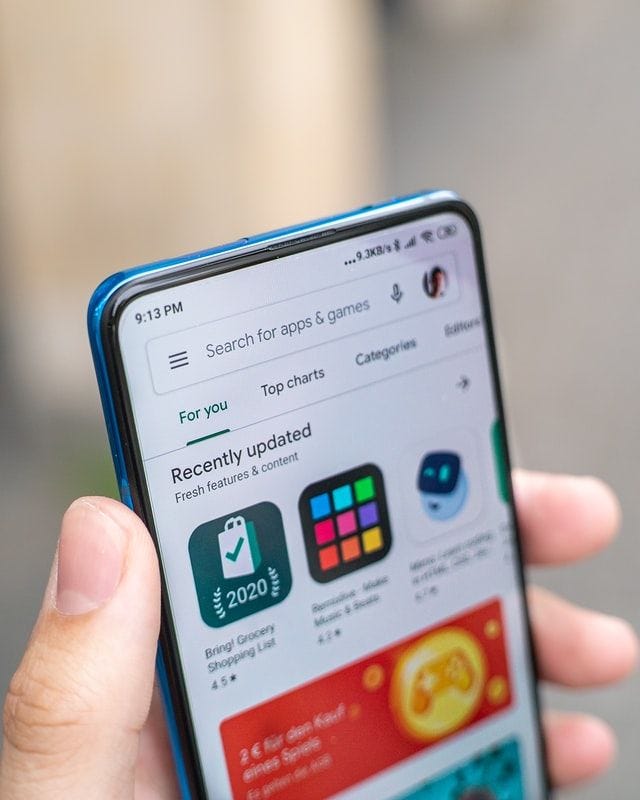
It was my 1st successful project that made real money and I still own it, although I have not touched the code for at least 2 years now. But it still makes $100 each month.”
Marketing Is Foundational To Success
“That’s where I learned about marketing. I started to understand how to make people use my product. But I wanted to build something more scalable, a SaaS business.
Mid 2019, I had an idea. I noticed that it was really hard for people to put static files on the internet. But it was actually quite simple once you got a hold of things.
I did zero product research, and zero competitive analysis or testing. I just built it in 3 weeks, part-time, and put it out there. I wanted to see what people would do with it and use it as a use-case to:
- Build SaaS
- Spend more time on marketing
Since then, the project has grown to $5k MRR, working on it part-time.”
How Tiiny.Host Got Its First Customers
For the first 6 months, we didn’t even charge people for Tiiny.host.
But after talking to peers, I received a suggestion to add a control panel and start charging for it. I’ve kept the same mindset till this day — I listen to the users. Once we have enough requests for certain features, I build them and start charging them.
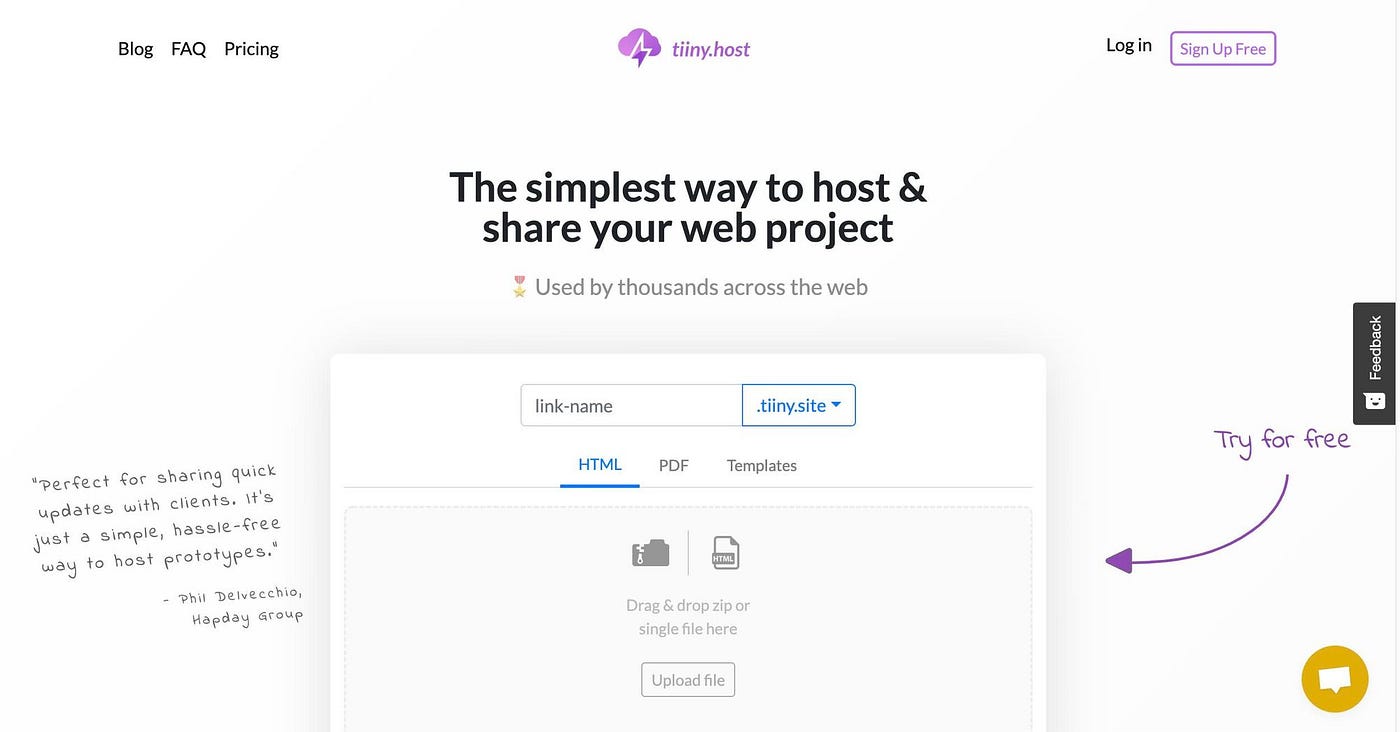
To get Tiiny.host off the ground, I marketed in a lot of places — reddit, made YouTube videos, and posted in a lot of communities. IndieHackers were pivotal in that.
However, the first paying customers came from our ProductHunt launch. That was the moment I realized “Oh, wow, people are willing to pay for this.”
We approached ProductHunt launch fairly strategically — we designed our profile the right way, followed every rule in the book, and chose a strategically correct day to launch.
As soon as we launched, I utilized my connections and community and got some early love.
That’s when we got our first revenue which felt great.
I remember thinking:
“If we get one customer to pay for it, I wonder how many more we can get.”
SEO
“Getting to $5000 MRR involved a lot of hustle. We tried every marketing channel there is. SEO became our key traffic source.
We only saw serious growth 6 months after we started focusing on SEO.
Our strategy was to create specific landing pages based on what people were searching for. We used ahrefs to determine the keywords, their difficulty, and search volume.
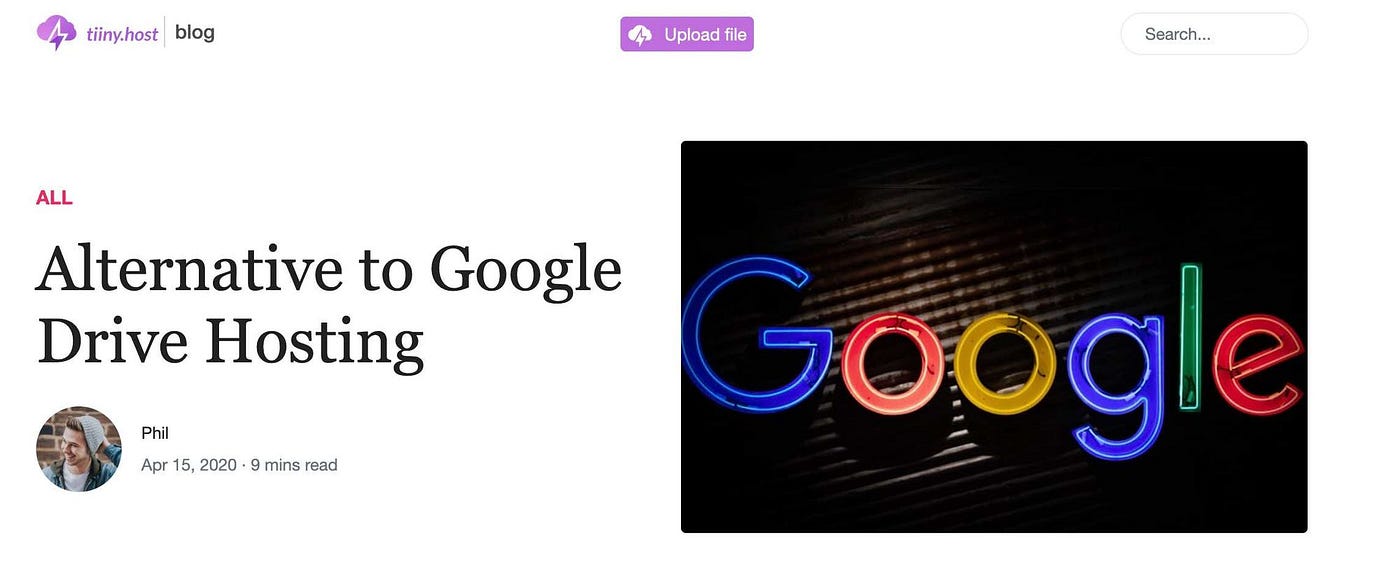
Now, we have 2–3 writers on contract and we release a few articles each week.
The majority of our traffic comes from SEO. We get 30,000 unique organic visitors each month.
We focus a lot on marketing, even falling behind on feature requests. I’m just very interested in growing the product.”
The Current Challenges Of The Business
I aim to grow my business and take it to the next level.
Formalizing what the product is, where we’re taking it and why it exists is a current struggle. And what it really will be as a million-dollar business.
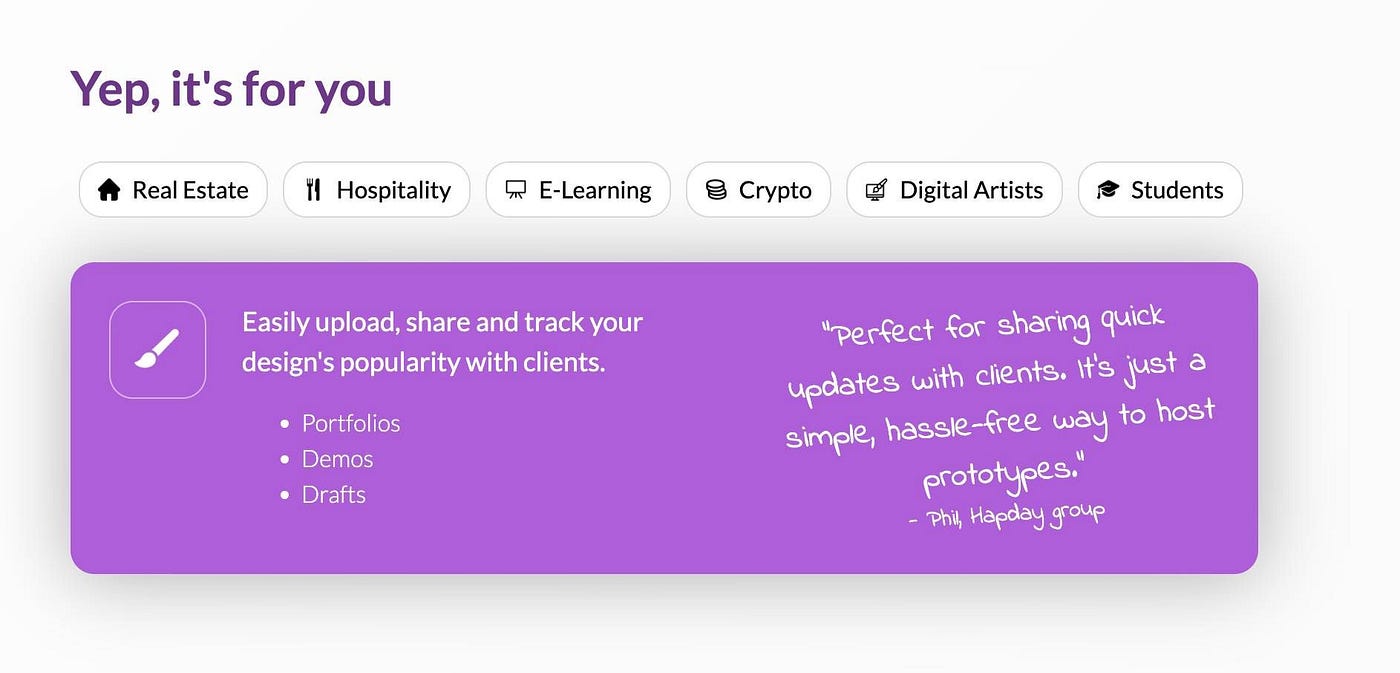
But every day I find more and more unique use cases for our business. Even on our home page, we have 8–9 verticals that we operate in. Trying to market through that has been challenging. We’re still figuring that part out.
We’re still trying to throw spaghetti at the wall and see what sticks. Trying to figure out how we’re going to get to that next level.
On Shiny Object Syndrome
Shiny Object Syndrome is a major issue founders face, but there have been a number of things that have helped me avoid it.
1. Experience
I have been through the cycle of building products multiple times and I know how difficult it is and how much time it takes.
2. Time constraint
I have quite a lot of my time committed — full-time work and side projects consume a large part of it so my time would have to be managed
3. Laziness
I’m just a bit lazy when it comes to coding. It has come to my advantage, however. The thought of me doing all of the work again — nothing has gotten my attention so much to do all of it again.
So I’m just continuing doing what I’m doing.
Plus, since I’ve done this part-time, I’ve not been as impatient. I’ve just added features slowly but surely.
There are doubts at times, of course. Every founder faces them. But as I’ve learned and improved the product, it has given me a little bit more confidence that it is going in the right direction.
What Is The Ultimate Goal Of Tiiny.Host?
I think this business encapsulates a huge opportunity that I did not see when I started it. I truly believe this can become a million-dollar business.
Web-hosting is a billion-dollar industry.
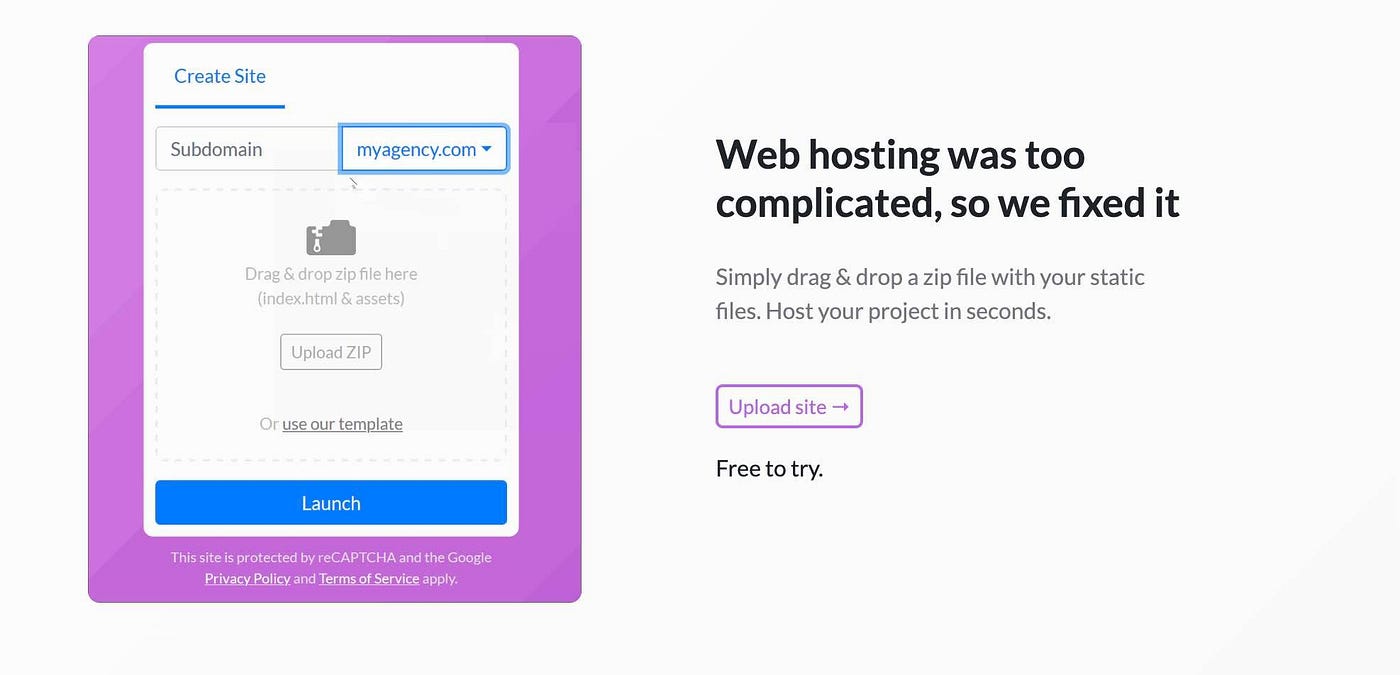
A lot of their current players target developers, startups, and technical users. There are not a lot of tools that help get their content to the internet very simply for non-technical users.
I’m not sure how big it can grow, but definitely a lot more than what we’re at now.
I don’t have massive goals with the business — it doesn’t have to be a unicorn, it doesn’t have to raise money. I just want to grow it, but not compromise on my lifestyle.
We might raise money to increase the speed of growth — hiring full-time people would allow us to grow exponentially quicker. However, I’m not inclined to go the VC route. We’d rather explore alternative funding routes (CalmFund, Pipe, or similar).
We don’t need a ton of money. Just a little help to accelerate help by hiring some full-time staff.
Advice to Younger Founders
Build small, ship early, launch. Then — market, market, market.
If you’re just starting out, try combining trends with your skillsets. Merge that with something you’re interested in or that you have a background in.
If you’re building a tool, really focus on SEO and do it early. It’ll save you time for the future.
Also, just believe in yourself more. Most steps taken have ended up being useful. Take more risks.”
메타데이터
- post_id
- e4e504b2efaf
- slug
- how-to-grow-a-successful-side-project-to-5000-mrr-e4e504b2efaf
- url
- https://medium.com/@euztics/how-to-grow-a-successful-side-project-to-5000-mrr-e4e504b2efaf
- canonical_url
- https://medium.com/@euztics/how-to-grow-a-successful-side-project-to-5000-mrr-e4e504b2efaf
- author_url
- https://medium.com/@euztics
- status
- ok
- fetched_at
- 2026-07-26 19:34:20