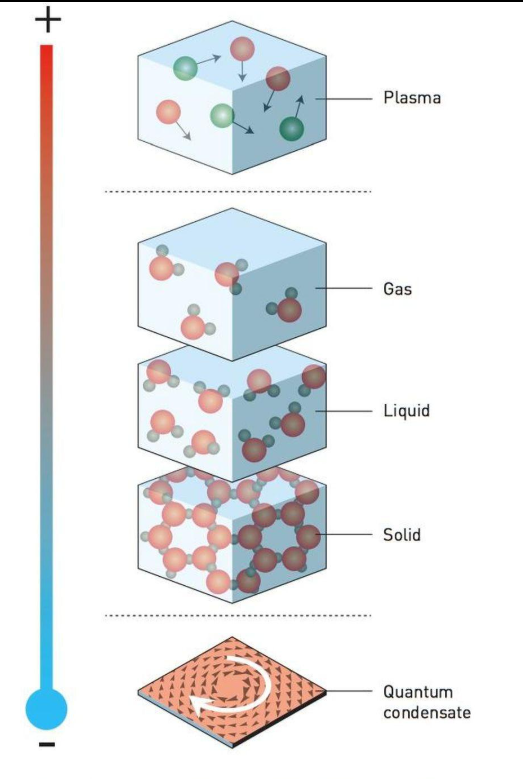
*127* Structural Coherence Beyond Biological Emergence: Cellular Stability, Neuronal Continuity…
The Great Inversion of Biology: From Creation to Accessibility
127 Structural Coherence Beyond Biological Emergence: Cellular Stability, Neuronal Continuity, Organic Persistence, and the Hidden Limits of Modern Definitions of Life, Death, Functional Activity, and Structural Dissolution Within Living Systems
The Great Inversion of Biology: From Creation to Accessibility
A simple comparison is sufficient to clarify the core issue. Claiming that DNA blocks can be exchanged to produce immediate adaptation is logically equivalent to asserting that a virus could become a bacterium simply by acquiring a set of genes. Such a transformation has never been observed, for a fundamental reason: it would not constitute a modification, but a change in the nature of the system itself.
The misunderstanding underlying this idea is deeper than it appears. In living systems, what changes is not the nature of biological laws, but the conditions under which these laws operate. No new interactions are introduced, and no governing principles are altered. The transformation concerns the domain of accessibility of configurations already compatible with the system.
In this framework, topology does not act as an additional mechanism; it defines the structural conditions of the system, and it is precisely at this level that real modifications occur.
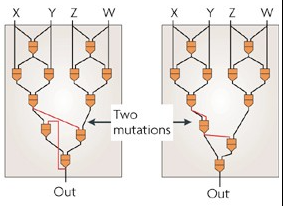
A virus and a bacterium are not separated by a limited set of genes. They differ in their structure, their mode of existence, and their global organisation. Reducing such differences to gene-level variation amounts to overlooking the structural nature of living systems. In the same way, introducing DNA into an organism does not instantaneously generate a functional capability.
Interpreting the appearance of novelty as the introduction of new principles does not follow from observation. In many situations, what changes is not the underlying laws themselves, but the conditions under which the system evolves. A modification of these conditions may be described as the emergence of something new, depending on the interpretative framework adopted. The shift is subtle yet decisive: it moves from a change in accessibility to the perception of a new principle.
When structural constraints reach a sufficient level of influence, they render observable configurations that were previously inaccessible, despite already being compatible with the governing framework. What appears as “new” is often a configuration that has become accessible. A change in structural conditions allows certain configurations, previously unobservable, to emerge without invoking any new principle. The system has not acquired new possibilities; it has reached a state in which existing possibilities can be expressed.
This distinction is fundamental. What is observed is not the creation of a new form of organisation, but the manifestation of an organisation that had remained inaccessible. The phenomenon is real, yet its origin lies in a shift of accessibility rather than in a transformation of the nature of the system. When a configuration becomes observable in a system where it had never been seen before, it is often interpreted as the appearance of something new.
This interpretation is not supported at the structural level. No law has changed, no mechanism has been added, and the system has not acquired anything it did not already contain. What has changed is the set of conditions under which the system operates.

As structural constraints evolve, configurations that were always compatible with the system become observable. What is perceived as novelty corresponds to a transition from inaccessibility to accessibility. It is not an emergence in the sense of creation, but a shift in what the system allows to be expressed.
From this perspective, there is no need to invoke rupture, instantaneous transformation, or the introduction of new principles. Structural rigidity does not disappear; it is redistributed. Evolution does not assemble ready-made functions, nor does it introduce new structures independently of the system.
It reorganises conditions, redistributes constraints, and stabilises configurations that could not previously persist. What changes is not the nature of the system, but its internal equilibrium. From this shift follows a direct consequence: what is perceived as new corresponds to what the system has become able to express.
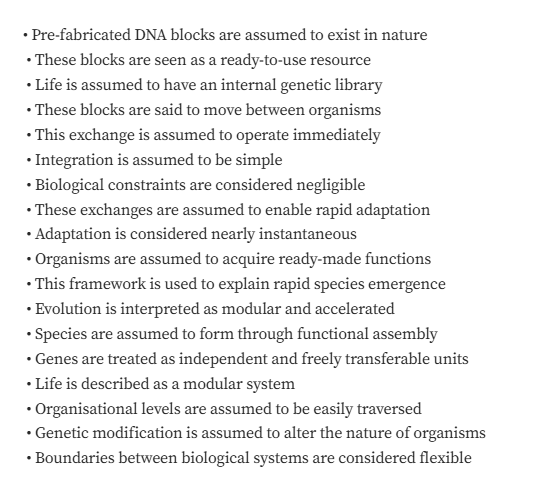
Within this framework, a series of implicit assumptions often accompanies the idea of modular and instantaneous evolution: that pre-formed genetic elements exist as ready-to-use units; that such elements circulate freely between organisms; that their integration is immediate and functionally effective; that biological constraints are negligible; that adaptation can occur almost instantaneously; that organisms can acquire complete functions through isolated genetic additions; that evolution operates as a modular and accelerated process; and that biological systems can be reduced to transferable components. These assumptions, taken together, imply a system in which structure plays a secondary role, which is not supported by observation.
If pre-formed functional genetic units existed as independent and freely transferable elements, evolution would no longer correspond to a constrained natural process, but to a pre-arranged system. Such a configuration has never been observed. If biological functions could be added without structural limitation, living systems would behave as assemblable machines, which they do not. If species emerged through the direct assembly of genetic modules, evolution would not display structural continuity.
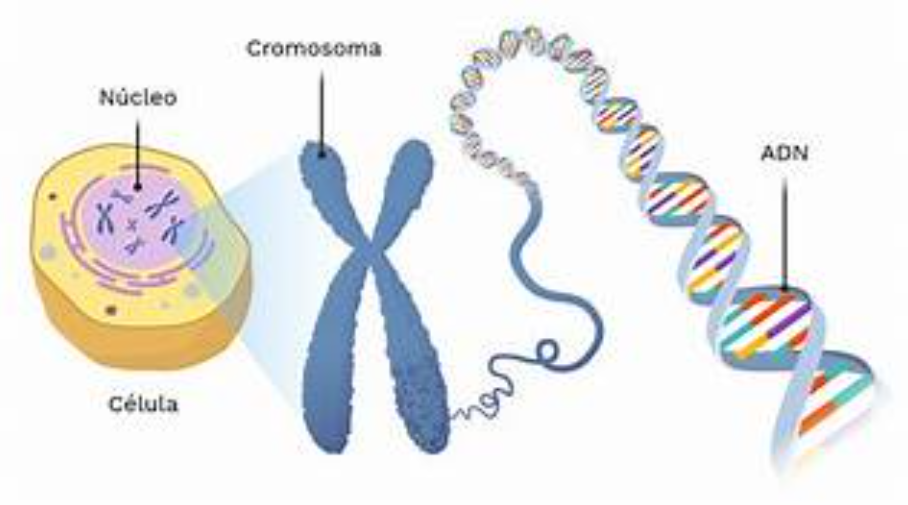
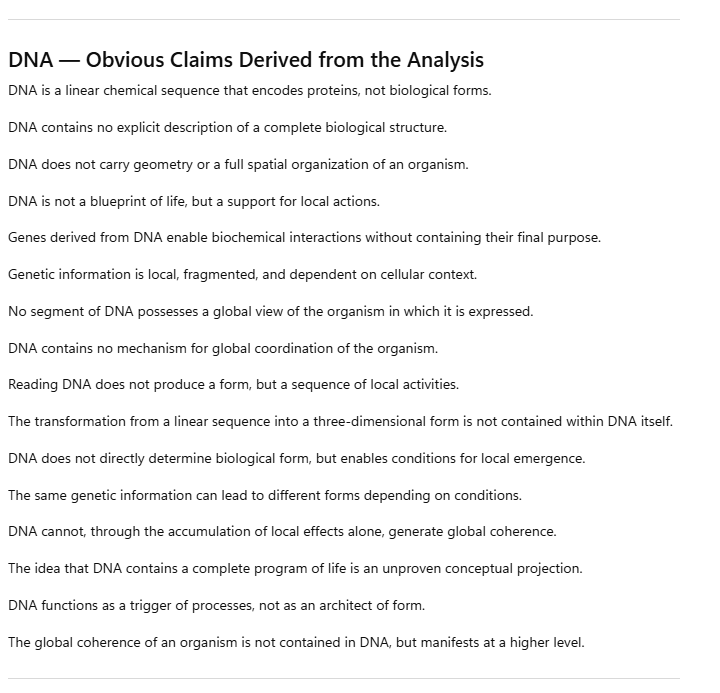
DNA does not generate function in itself; it constrains the conditions under which function can be expressed. What is commonly interpreted as biological innovation is therefore not the direct result of genetic addition, but the consequence of a structural state in which certain configurations become viable. What appears as novelty is more accurately described as a shift in accessibility. Systems do not acquire entirely new capabilities in a discontinuous manner; they reach configurations in which previously inaccessible possibilities can be expressed.
From this perspective, evolution cannot be understood as a modular process based on the assembly of independent units. It unfolds as a structurally continuous transformation in which constraints evolve and redefine the landscape of possible states. The apparent emergence of new forms or functions corresponds, in most cases, to a change in the conditions of observation rather than to the introduction of new principles.
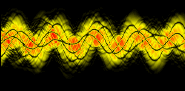
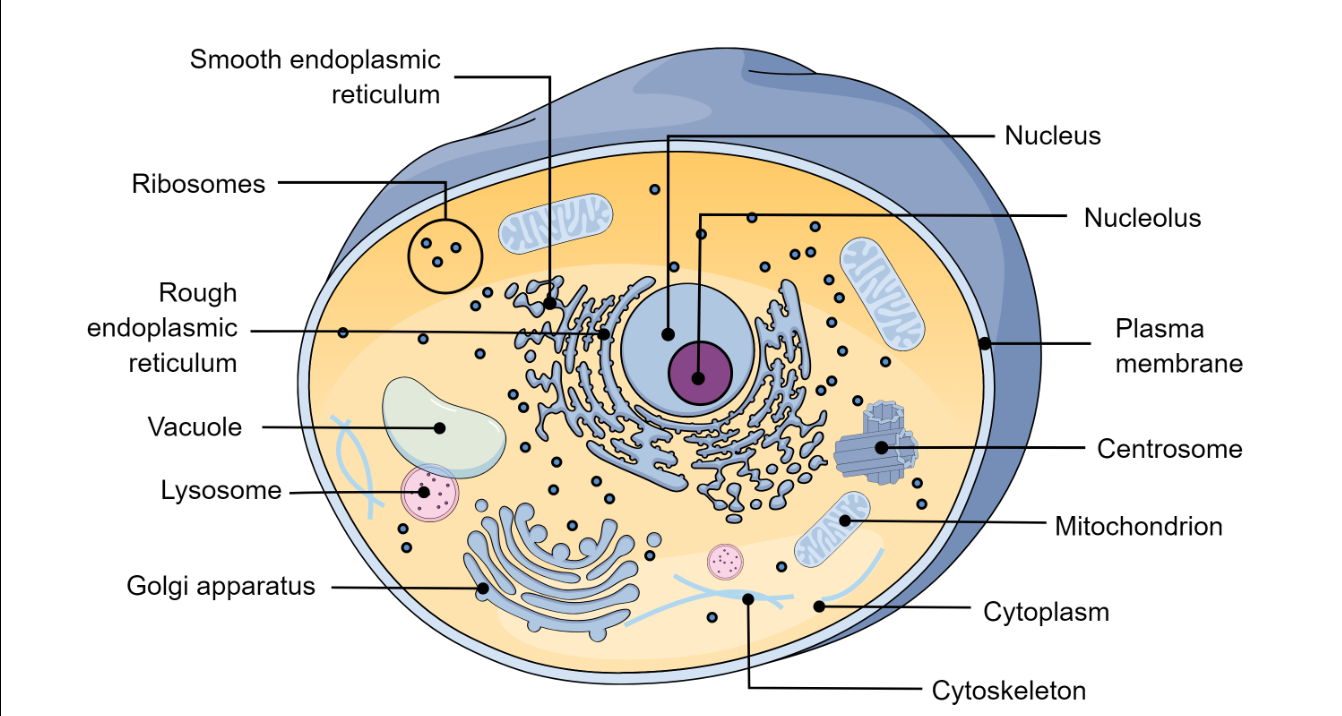
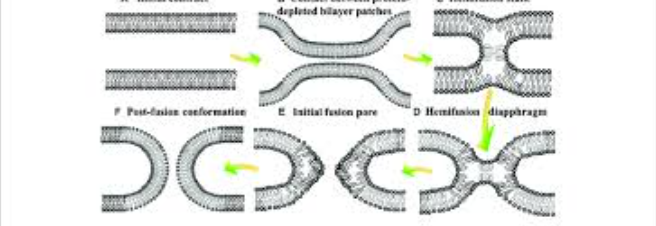
This inversion of interpretation becomes particularly evident in the analysis of what is presented as a cellular structure under the name “hemifusome.” What is described as a newly identified organelle can be more accurately understood as a dynamic membrane state rather than as an independent entity. The observed configuration corresponds to a temporary condition in which two membranes interact without fully merging. This situation has already been described in membrane dynamics. It does not constitute a structure with intrinsic stability or autonomy, but a transient state maintained under specific constraints.

Strengthening Is Not Always Modification: Another Way to Look at Embryonic Enhancement
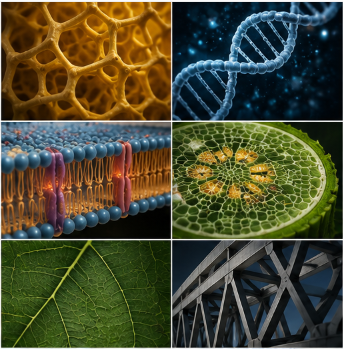
Recent discussions surrounding embryonic gene editing often suggest that increasing a biological function necessarily requires altering the structure of DNA itself.
While this interpretation fits the current framework of molecular biology, it may not be the only possible explanation.

A different perspective emerges when one separates the concepts of modification and strengthening. Modification implies that the original structure has been changed. A sequence is replaced, deleted, or supplemented with new information. Strengthening, however, does not necessarily require the introduction of anything new.
It may simply consist of allowing an existing capability to operate without the constraints that previously limited it.

The apparent increase in performance results from the disappearance of a limiting factor.
Applying this reasoning to biology leads to an intriguing possibility. What if certain biological capacities are already embedded within the living system, while various regulatory mechanisms merely restrict their expression? Under such a model, what appears to be an enhancement would not necessarily represent the creation of a new function, but rather the release of an existing one.
The organism would not be fundamentally redesigned; it would simply operate closer to its inherent potential.
Current biological research generally interprets functional improvements through changes in genetic sequences or gene expression. This approach is understandable because DNA, RNA, and proteins can be measured directly.
By contrast, the idea that some improvements arise primarily from the removal of biological constraints is far more difficult to investigate experimentally. As a result, the conventional explanation naturally dominates scientific discourse.

The observed outcome — a stronger or healthier organism — could therefore arise through more than one pathway.
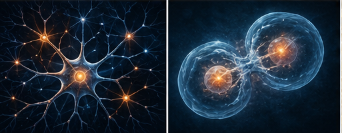
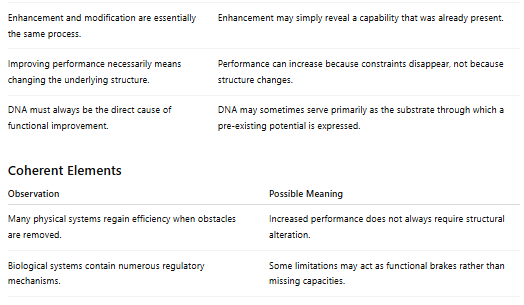

The debate may ultimately depend on a deeper philosophical question: Does life acquire new abilities only by adding information, or can it also reveal hidden capacities by removing barriers? If the latter possibility proves relevant, then strengthening and modification should not automatically be treated as identical concepts.
What I Reveal
The widespread assumption that strengthening necessarily requires modification may reflect an understandable but incomplete interpretation of biological function. An equally plausible conceptual framework is that living systems already contain a broad range of latent capacities, and that some interventions merely reduce the constraints preventing those capacities from being fully expressed. Under this view, enhancement is not always the addition of something new; it may sometimes be the unveiling of what was already there.

Opening New Perspectives
Future biological research may benefit from examining not only how new information is introduced into living systems, but also how existing limitations are removed. The distinction between creating a function and liberating a function could become an important conceptual tool for understanding development, regeneration, and embryonic biology. Whether this perspective ultimately proves correct remains an open scientific question, but it encourages a broader and more nuanced interpretation of what it truly means to “strengthen” life.
The persistence of this state does not indicate the existence of a structure. It reflects a temporary balance between opposing forces: one driving membrane fusion, the other maintaining separation.
This balance produces a configuration that can be observed for a limited duration. Its apparent stability does not correspond to structural independence, but to constrained maintenance within a dynamic system.
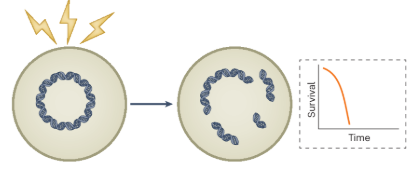
A structure, in the strict sense, should exhibit a degree of independence from the conditions that produce it. In this case, the observed configuration disappears as soon as these conditions are altered. It therefore belongs to the functioning of the system rather than to its composition. Describing it as an organelle introduces a categorical shift from process to object, which reflects an interpretative transformation rather than a structural discovery.
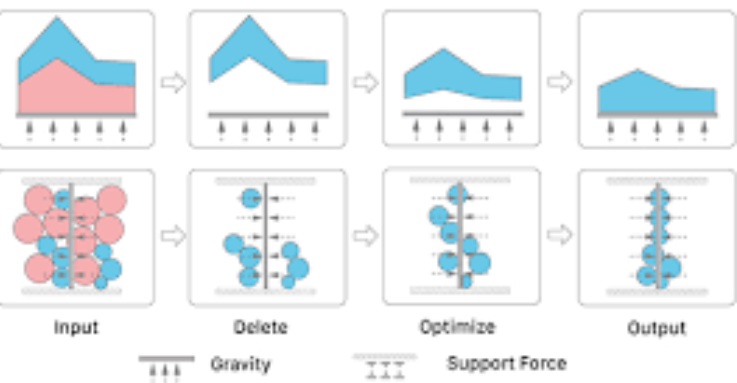
More generally, this highlights a recurring difficulty: distinguishing between what exists as an independent entity and what is maintained as a state within a system. The persistence of a configuration is not sufficient to define it as a structure. A maintained state may appear stable while remaining entirely dependent on the conditions that sustain it. What is observed here corresponds to a regulated non-equilibrium configuration rather than to an autonomous component.
This same inversion applies to what is often presented as molecular discovery. What is described as the identification of new molecules corresponds, in most cases, to the controlled transformation of already existing structures within a constrained system. The resulting configurations do not emerge independently; they remain entirely dependent on the initial conditions and on the processes that generate them. No autonomous novelty is introduced. What changes is the accessibility of certain configurations under specific constraints.
A transformed molecule does not constitute an independent discovery. It remains structurally linked to its origin and to the system that produced it. In this sense, such processes do not reveal the unknown; they explore variations within a closed framework. The apparent novelty lies in the accessibility of configurations that were not previously observable under given conditions.
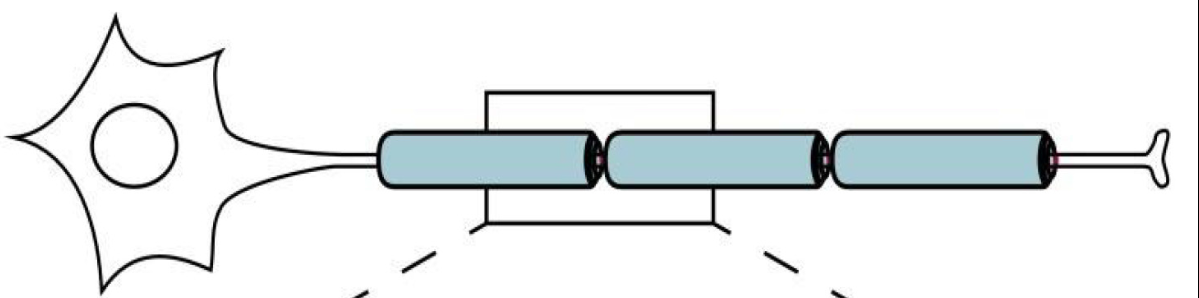
Living systems rely on structural continuity between their components, ensuring coherence, integration, and stability. Without this continuity, no functional integration is possible. Under these conditions, even significant transformations do not demonstrate the existence of new autonomous entities. They reflect constrained reorganisations within an already defined system.

From this perspective, what is described as discovery does not correspond to the appearance of something fundamentally new, but to a change in the conditions under which certain configurations become observable. The system does not acquire new possibilities; it reaches a state in which previously inaccessible configurations can be expressed.
The inversion is therefore complete. What is commonly interpreted as creation corresponds, at the structural level, to accessibility. What is described as emergence corresponds to exposure. And what is presented as discovery corresponds to transformation within a constrained system.
— — — — — — — — — — — — — — — — — — — — — — — — — — — — — — —
Neuronal Coherence Behind Long-Distance Communication
It is now being claimed that researchers have discovered a “hidden mechanism” helping neurons communicate across very large distances within the brain. Presented this way, the announcement suggests that an almost invisible new mode of transmission may have been identified deep inside the nervous system.
The publication particularly highlights a biological process known as transcytosis, a mechanism allowing neurons to transport certain receptors, proteins, and essential components across long distances within their own cellular extensions. According to the researchers, this system may contribute to maintaining communication between distant brain regions and could play an important role in the stability of neuronal connections, brain plasticity, and complex cognitive functions.
Behind this discovery emerges a fundamental idea: the brain does not rely solely on local electrical impulses, but also on an extremely sophisticated internal logistical organization capable of preserving continuity of communication within a vast and continuously active biological environment.

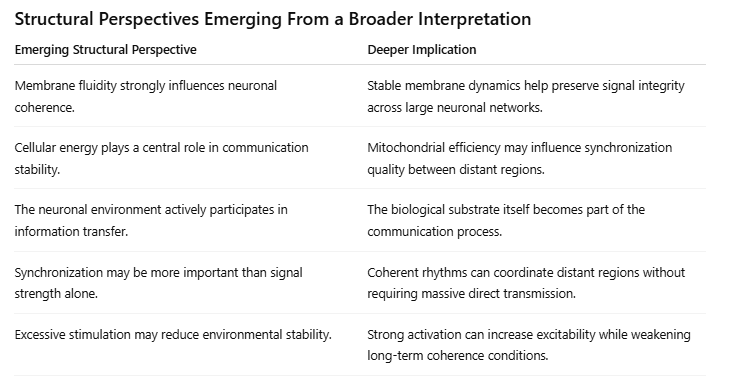
However, when this phenomenon is analyzed more deeply, the idea of a simple “hidden mechanism” quickly becomes insufficient. What this discovery truly appears to reveal is the importance of the overall state of the neuronal environment itself. Efficient long-distance communication does not depend solely on internal mechanical transport; it also depends on the energetic stability of the system, the fluidity of cellular membranes, the quality of electrical and chemical signal propagation, and the ability of neurons to maintain lasting collective coherence despite the permanent disturbances present within the living brain.
The brain actually functions as a global dynamic structure in which every neuron evolves within a continuously fluctuating electrochemical environment. Ionic exchanges involving sodium, potassium, and calcium constantly modify the local electrical state of cells.
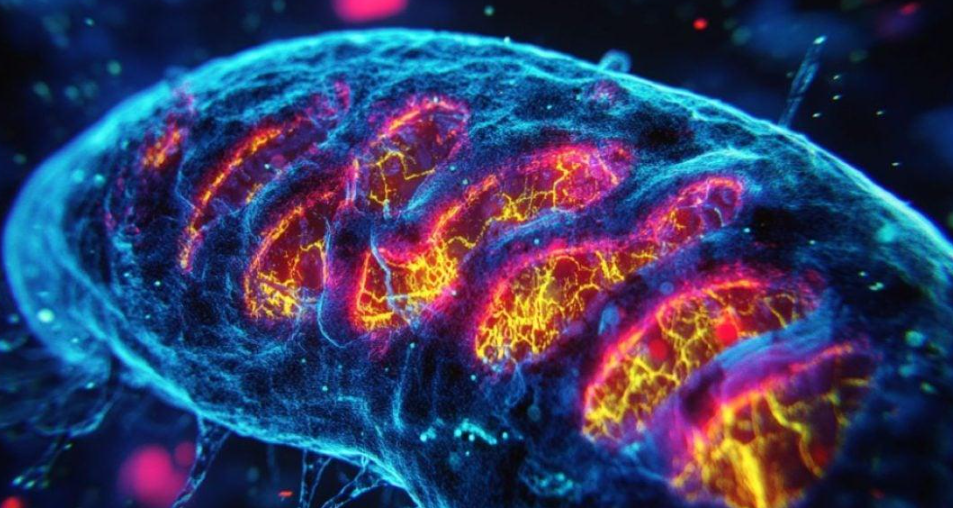
Added to this are neurotransmitters, chemical gradients, metabolic variations, and mitochondrial activity supplying the energy required to sustain neuronal communication. A simple electrical impulse therefore represents only the visible portion of a far more complex system in which the biological substrate itself actively participates in information transmission.

The fluidity of cellular membranes becomes critically important because it directly influences receptor mobility, ion channel stability, and the speed of synaptic interactions. If this fluidity decreases, exchanges become more unstable, coherence losses increase, and the overall communication capacity of the network may progressively deteriorate. Conversely, an energetically stable and structurally fluid neuronal environment favors signal preservation over long distances and improves synchronization between distant brain regions.
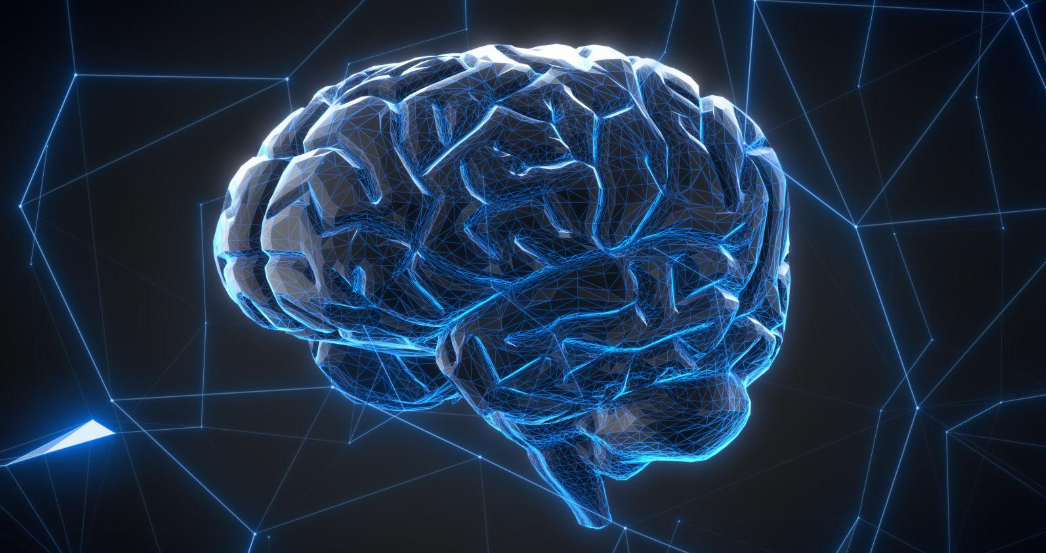
This nuance becomes particularly important when discussing stimulant substances such as caffeine. It is often claimed that increasing brain activity automatically improves neuronal communication. Yet stronger stimulation does not necessarily mean a deeper improvement of the neuronal environment itself.
Caffeine may indeed temporarily increase alertness and the activity of cerebral networks, but this activation may also disrupt certain biological balances when it becomes excessive. A durably coherent neuronal environment requires not only activity, but also hydric stability, membrane fluidity, and sufficient energetic balance to preserve the quality of cellular exchanges.
Excessive stimulation may therefore create a state of heightened excitability while simultaneously reducing some of the stability conditions necessary for optimal coherence within the living neuronal network.
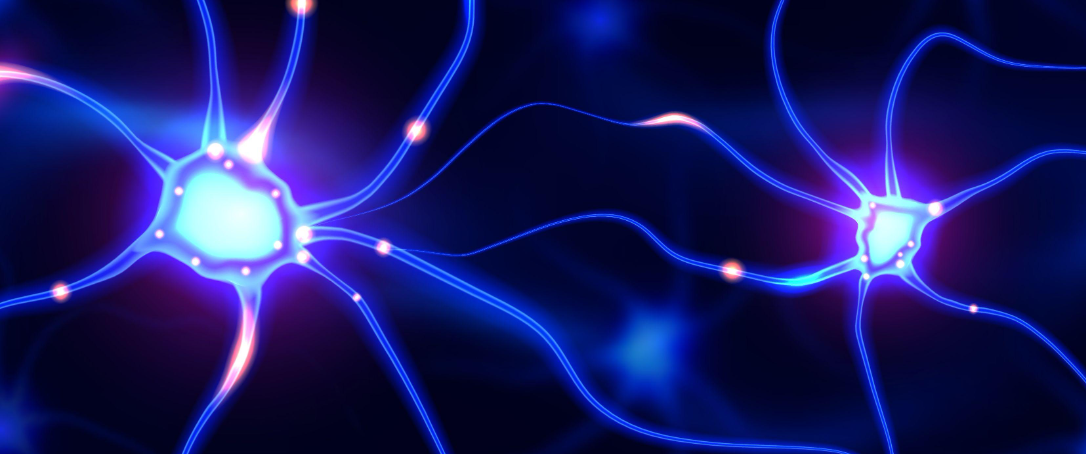
Within this context, the transport of receptors described in the publication likely represents far more than a simple internal biological displacement. It primarily contributes to maintaining the overall stability of the neuronal network.
By facilitating the circulation of elements necessary for transmission, the system helps neurons remain synchronized and preserve functional coherence despite physical distance. This mechanism therefore acts less as an isolated “transporter” and more as a structural stabilizer supporting continuity of communication throughout the brain.
Distance therefore becomes less limiting, not because some mysterious signal instantly crosses the brain, but because the entire neuronal environment maintains a sufficiently stable organizational state capable of preserving this dynamic coherence.

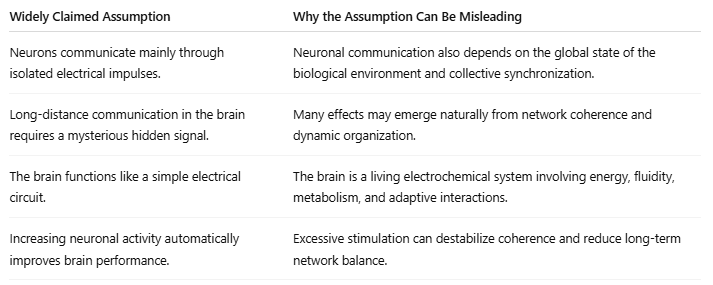
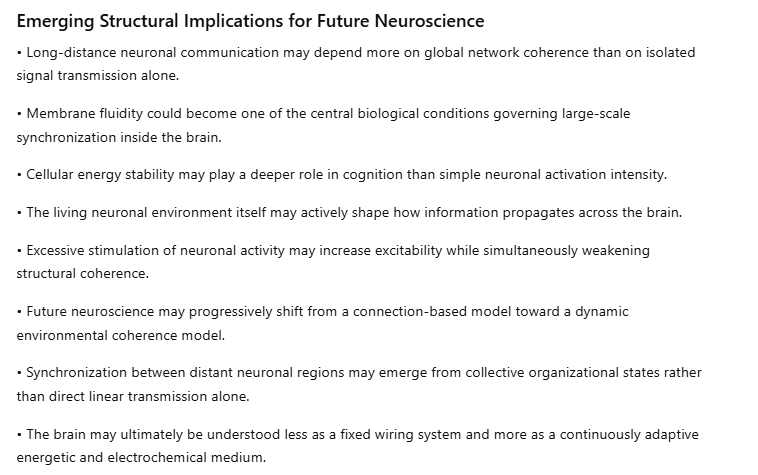
Thus, what is being presented as a “hidden mechanism” may instead correspond to an important transition in our understanding of the living brain. Long-distance neuronal communication may not rely solely on individual connections or on the mechanical displacement of certain molecules, but rather on the global balance of an extremely organized biological system.
Cellular energy, membrane fluidity, ionic exchanges, electrochemical signal propagation, and collective synchronization of neuronal networks together appear to form a coherent architecture capable of maintaining the brain’s functional stability despite its immense complexity.
This perspective opens a much broader possibility: the brain may be less an assembly of separate connections than a global dynamic environment in which every local variation potentially influences the balance and coherence of the entire neuronal system.
— — — — — — — — — — — — — — — — — — — — — — — — — — — — — — — — — — — — — —
The Human Cell Does Not Depend Only on Itself
It is often assumed that a human cell becomes dysfunctional mainly because of an internal defect, as though the origin of biological instability were located entirely inside the cell itself.
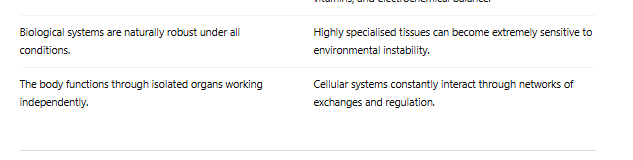
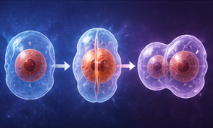
Yet a broader observation of living systems suggests something far more complex. No human cell truly functions in isolation. Every cellular activity depends continuously on the stability, quality, and coherence of the environment surrounding it.
A cell is therefore not merely an autonomous biological unit, but part of a permanently interconnected energetic and chemical system.
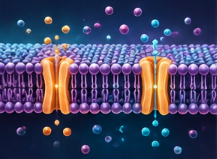
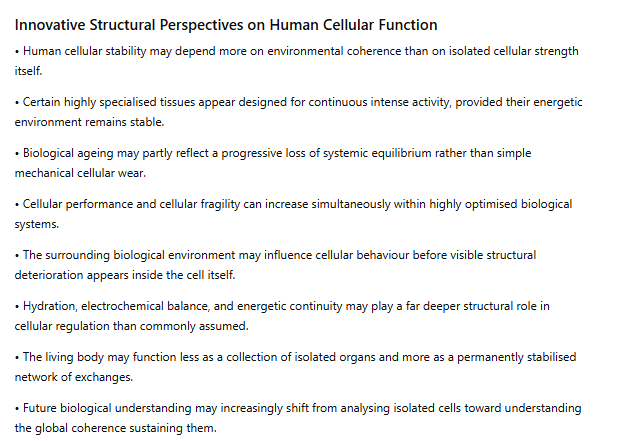
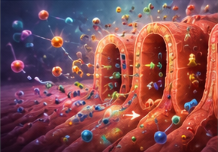
Human cells operate within an extraordinarily delicate balance. They rely constantly on hydration, oxygen exchange, ionic equilibrium, nutrient circulation, electrical signalling, hormonal regulation, vitamins, minerals, and thermal stability. Even microscopic disturbances in these conditions can progressively alter cellular behaviour. What is remarkable is not only the sophistication of the cell itself, but the immense precision required to maintain the environment that allows it to function normally. Life therefore appears less as a collection of independent cells and more as a dynamic architecture of continuously stabilised exchanges.
The retina provides a particularly striking example of this principle. It processes enormous quantities of visual information continuously throughout life while maintaining extremely high energetic activity.
This does not mean the retina is poorly designed or functioning beyond its intended capacity. On the contrary, it has evolved precisely to sustain permanent activity. Its vulnerability emerges mainly when the surrounding biological equilibrium begins to deteriorate. Reduced oxygenation, oxidative stress, impaired circulation, metabolic imbalance, or progressive nutritional deficiencies can gradually disturb the stability required for such a highly specialised tissue. The issue therefore lies less in constant activity itself than in the growing difficulty of maintaining the conditions necessary for that activity over time.
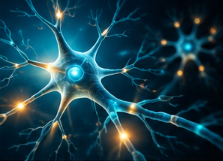
A similar logic appears throughout many biological structures. The more specialised and refined a cellular system becomes, the more dependent it often becomes on environmental coherence.
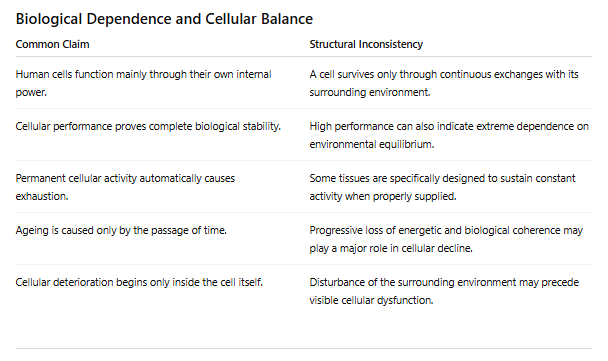
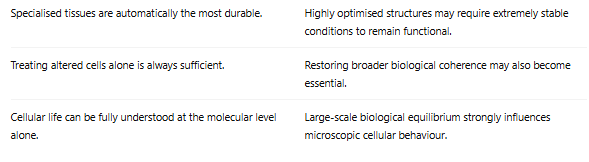
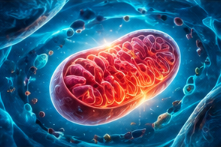
This perspective may also help explain why certain complex diseases remain so difficult to stabilise over long periods. In some situations, the central problem may not concern only the altered cells themselves, but also the progressive degradation of the environment that normally supports them.
When the surrounding biological conditions lose coherence, cellular regulation becomes increasingly difficult to preserve.
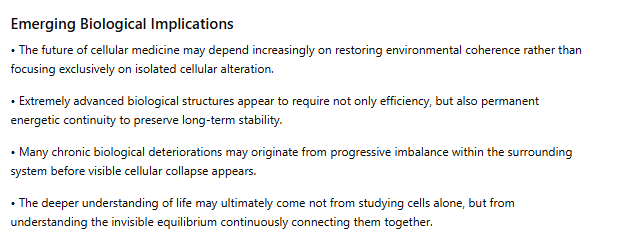
Restoring balance may therefore involve more than targeting isolated cellular abnormalities; it may also require understanding the broader systemic conditions that allow healthy cellular behaviour to remain stable.

Modern medicine has made extraordinary progress in molecular biology and cellular analysis. However, another dimension is becoming increasingly important: the study of the cellular environment as a whole.
Cells constantly interact with vascular systems, immune responses, electrical signals, microbiological ecosystems, and countless biochemical exchanges occurring simultaneously throughout the body. A cell cannot be fully understood independently from the environment that sustains it.
The stability of life appears to emerge not from isolated components, but from the coherence of the relationships linking them together.
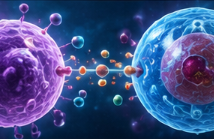
Ultimately, living systems seem to reveal a deeper biological principle. The most advanced and efficient structures are often not the most autonomous.
In many cases, increasing cellular sophistication also increases dependence upon energetic stability, chemical balance, and structural coherence.
The true challenge of life may therefore not lie solely in creating highly efficient cells, but in preserving the fragile equilibrium that continuously allows those cells to function normally across time.

— — — — — — — — — — — — — — — — — — — — — — — — — — — — — — — — — — — — — —
Is Biological Death Truly Defined Correctly?

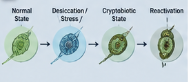
It is now being claimed that a microscopic organism discovered within ancient Siberian permafrost was able to “return to life” once thawed. Such reports present the phenomenon as a remarkable discovery capable of transforming our understanding of living systems, creating the impression that an organic being may have remained almost unchanged across an immense span of time before becoming active again when environmental conditions became favourable once more.
Presented in this manner, the phenomenon immediately suggests a very particular interpretation: that of a form of biological suspension in time.
The reader can easily be led to imagine that the organism somehow remained alive throughout the entire period, as though the cold had merely paused its functions temporarily before allowing them to resume much later. Scientifically, this vision is profoundly attractive because it touches directly upon the limits of biological time, the preservation of life, and the extreme resilience of organic structures.

Under such conditions, active biological activity as we ordinarily define it effectively disappears. Global energetic circulation, coordinated functions, classical metabolism, and ordinary biological exchanges are almost entirely halted.
It is precisely here, however, that modern science may be revealing some of its conceptual limitations.
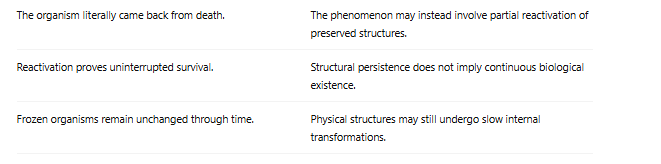
The cessation of observable biological functions does not necessarily imply the complete disappearance of internal organic coherence. An organism is not simply “alive” or “dead” in an instantaneous and absolute sense. Between these two states, there may exist extraordinarily complex intermediate conditions that our current scientific language still struggles to describe adequately.
Modern science defines death primarily through observable functional criteria: cardiac arrest, absence of brain activity, disappearance of global metabolism, inability to sustain coordinated cellular reproduction, or loss of essential vital functions.
Such definitions remain entirely appropriate within medicine and clinical practice. Yet they may not fully describe what the complete disappearance of an organic system truly represents.
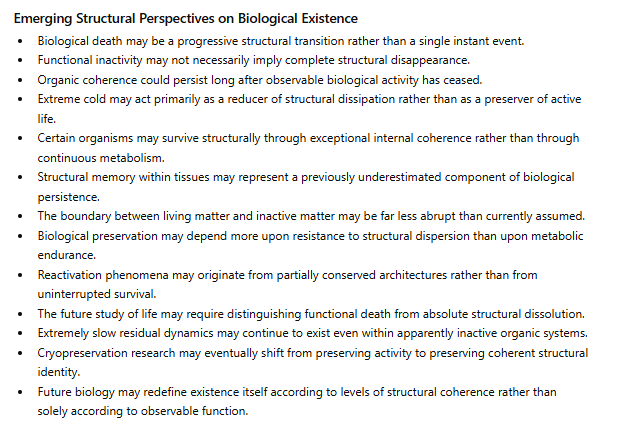
Certain internal structures may preserve their organisation for extremely long periods of time. Molecular architectures can remain stable. Some tissues may retain a form of structural memory. Localised physical equilibria may persist. Even in the complete absence of observable active life, extremely slow residual dynamics may continue to exist within the organic system.
It is precisely this distinction that appears absent from such reports. The phenomenon is frequently presented as a form of “biological resurrection”, whereas it may instead correspond to the partial reactivation of an organic structure that was never entirely dissipated. The organism would therefore not have passed through immense spans of time in a conventionally living state, but rather within a phase of inactive structural preservation in which certain fundamental physical coherences remained intact despite the total absence of functional activity.

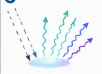
he microscope interacts with matter through light and receives a response from that interaction. What enters the detector is a variation of optical behaviour. Before any biological interpretation is introduced, before any physiological model is applied, there exists only a measurable difference in the way the observed system responds to the incoming light. This difference is the primary experimental fact.
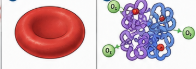
The optical signal acts only as the pathway through which those states become accessible. Without a structural difference, no stable difference in optical behaviour could be detected. The existence of the signal therefore points first toward organisation and only later toward biological meaning.
Seen from this perspective, the remarkable achievement of the technique is not the identification of oxygenation itself. Rather, it is the ability to reveal hidden structural conditions inside living matter without introducing external markers.
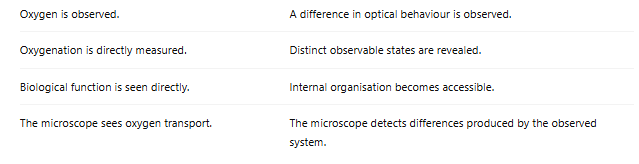
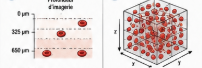
Because this optical variation appears consistently in the presence of circulating red blood cells, researchers naturally seek the underlying reason for its existence. The common tendency is to jump immediately toward explanations involving haemoglobin, oxygen transport, or cellular function.
However, these explanations belong to a later stage of understanding. The observation itself already indicates something important long before such interpretations are added: the observed matter is not organised identically in all situations.
If the optical response changes, then some aspect of the internal organisation must also change.

Many future imaging technologies may progress not by observing biological functions more directly, but by revealing increasingly subtle forms of organisation hidden within living systems.
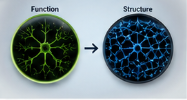
Functions become understandable because structures become visible.
In that sense, the most profound message of this work is not that oxygen transport can be inferred more rapidly, but that optical measurements can expose underlying structural realities that were previously inaccessible.


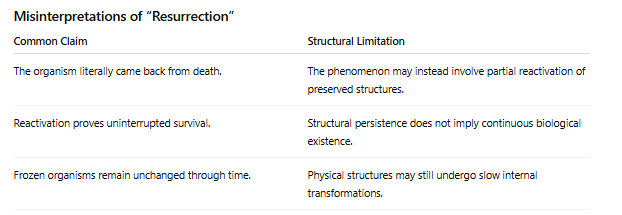
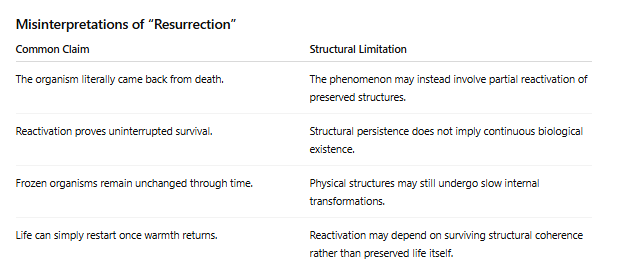
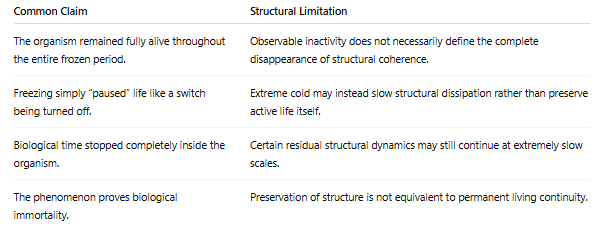
Within this framework, absolute death would not correspond to a single abrupt moment, but rather to a succession of irreversible thresholds. In order to claim that an organism is truly and completely dead, several conditions would need to occur simultaneously: the total disappearance of all organised functional activity.

The definitive rupture of residual energetic exchanges between structures, the disintegration of essential molecular architectures, the absolute impossibility of spontaneous reorganisation, the irreversible dissipation of the structural memory of tissues, the complete loss of all capacity for coherent internal reconstruction.
The neutralisation of all residual structural dynamics, and finally the total dissolution of the organism’s structural identity into its environment.

From a futurist perspective, such reflections could profoundly alter our understanding of cryopreservation, inactive biological states, organic structures with zero functional activity, and even the fundamental boundary separating living matter, inactive matter, and fully dissipated matter.

The true scientific challenge, therefore, may not lie in determining whether an organism can “return to life”, but rather in understanding the precise moment at which an organic structure genuinely ceases to exist as a coherent system.
— — — — — — — — — — — — — — — — — — — — — — — — — — — — — — — — — — — — —
Why DNA Recreational Testing May Have Reached an Interpretative Plateau
For many years, recreational DNA testing has been presented as one of the most remarkable achievements of modern genetics.
Millions of people have used these services to explore their ancestral origins, discover unknown relatives, or estimate inherited biological traits.
As sequencing technologies have become increasingly sophisticated, the public perception has gradually evolved toward the idea that genetic analysis is approaching absolute precision.

However, this confidence may rest upon a subtle but important misunderstanding. There is a significant difference between measuring genetic sequences with extraordinary technical accuracy and fully understanding the biological organisation that gives those sequences their meaning.
The distinction between these two levels of observation deserves far greater attention.
Current DNA tests are exceptionally effective at reading nucleotide sequences. In many cases, the technical error rate is extremely low. Yet the interpretation of these sequences depends on models, reference populations, and assumptions about how genetic information is organised and expressed. What is measured with remarkable precision is often only one layer of a much broader biological system.

In other words, we have become extraordinarily good at reading the components, while our understanding of the overall organisation that connects them continues to evolve.
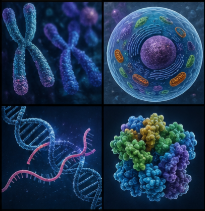
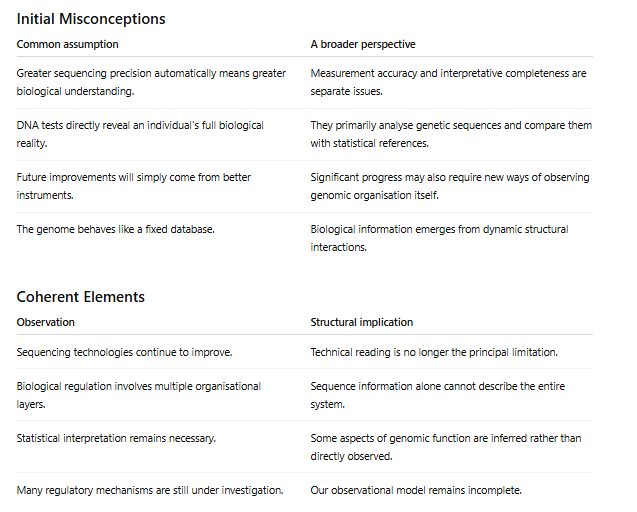
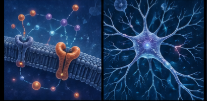
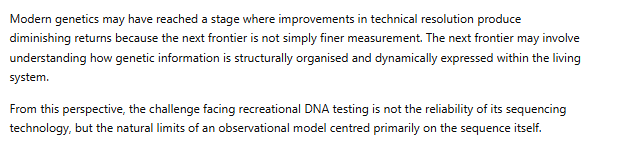
This may explain why recreational DNA analysis appears to be approaching an interpretative plateau. The limitation may no longer arise primarily from insufficient instrumental resolution, but from the observational framework itself.
Reading a sequence with near-perfect accuracy does not necessarily provide a complete representation of the biological reality behind it.
A useful analogy would be that of reading the individual words of an ancient manuscript. One may identify every letter without error, yet still misunderstand the language, the context, or the underlying structure that gives the text its true meaning. Precision of observation and completeness of understanding are not identical concepts.


Opening New Perspectives
The most obvious conclusion is that the future of genetic analysis may require an important conceptual update. Continuing to refine the reading of DNA will undoubtedly remain valuable, but genuine progress may increasingly depend upon integrating the structural and functional organisation of the genome into the observational framework.
Rather than viewing current recreational DNA testing as the final stage of genetic understanding, it may be more accurate to regard it as an exceptionally precise first layer of observation.
The next major advance could come not from reading the genetic code more accurately, but from learning to observe the living architecture that allows that code to become biology.

— — — — — — — — — — — — — — — — — — — — — — — — — — — — — — — — — — — — — -
메타데이터
- post_id
- e51cf3047b5f
- slug
- 127-structural-coherence-beyond-biological-emergence-cellular-stability-neuronal-continuity-e51cf3047b5f
- url
- https://medium.com/@gouvielos/127-structural-coherence-beyond-biological-emergence-cellular-stability-neuronal-continuity-e51cf3047b5f
- canonical_url
- https://medium.com/@gouvielos/127-structural-coherence-beyond-biological-emergence-cellular-stability-neuronal-continuity-e51cf3047b5f
- author_url
- https://medium.com/@gouvielos
- status
- ok
- fetched_at
- 2026-06-15 20:49:13