So Much Goes to Waste: Poems of Heath, Fox, and Fire
“Well, Jens, what do you think? Should we have more?” But no answer; then Per stopped. and jumped from the coffin: “Oh, Jens, give me…
So Much Goes to Waste: Poems of Heath, Fox, and Fire
So Much Goes to Waste: Poems of Heath, Fox, and Fire
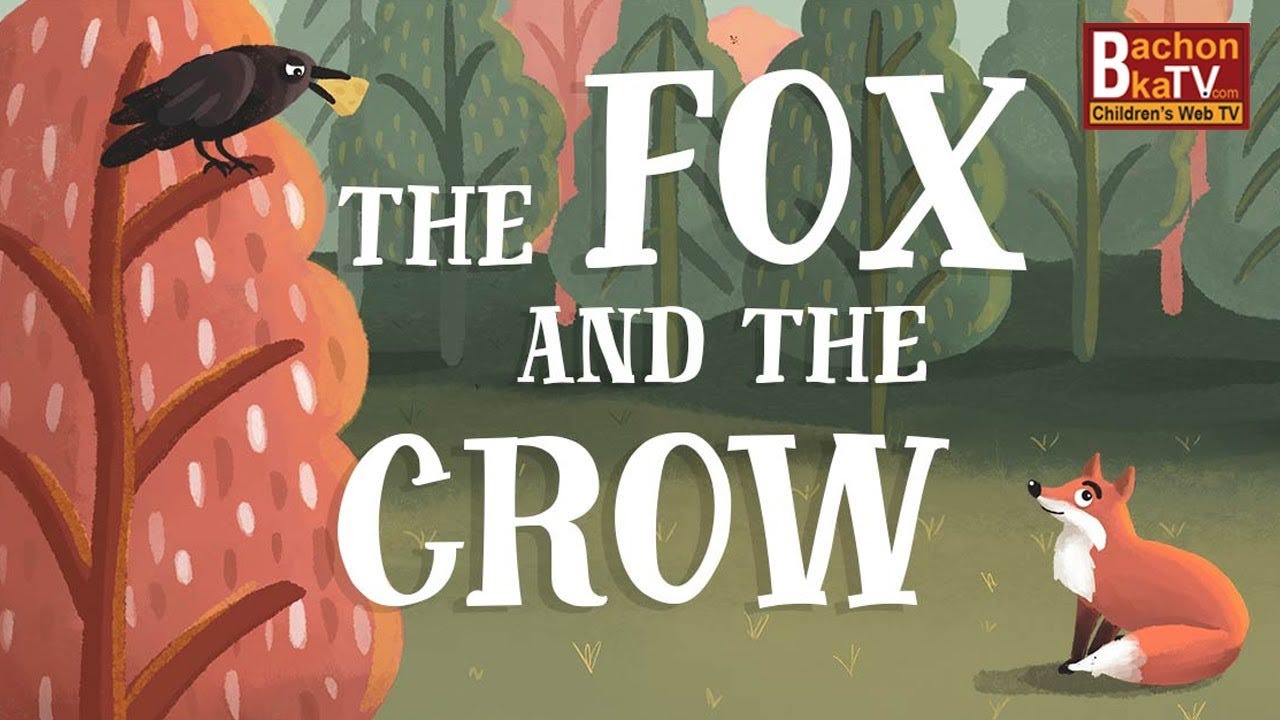
“Well, Jens, what do you think? Should we have more?” But no answer; then Per stopped. and jumped from the coffin: “Oh, Jens, give me time!” But the friend had already fought his battle. Jens Hurra’s spirit had flown away on the notes of his harmonica. Spring 1897. SO MUCH GOES TO WASTE. So much goes to waste on this sinful earth: the most beautiful thoughts, the warmest tears, the gentlest blossoms. Look, over the fence hang the fragrant clusters of roses; they sit and wait for adventure, while the wind gently sways them. They smell so sweet, they spread far and wide, but no one comes to pick them; then they become bored with all the things in the world and softly close their calyxes. Soon, the pleasure and joy of the senses will sprinkle down into the wet sand, and the farmer’s rolling oxen will tread on the rose petals. So much is born on this earth that has never required life; so much dies without a trace that has never truly lived. Many a virgin’s bosom swells and buds like a rose on a stem, which, never touched by a man’s arm, must wrinkle with longing behind its silk. Yes, the flowers of girls and roses will wither, the red ones as well as the white ones; but he who wants to live on this earth, let him pluck those roses in time! June 1897. I WAS SO TIRED — I was so tired of the noise and squalor of the city; I had to go out, get some air, get warm, watch the sun go down. I had to get away from the street’s nausea and the city’s plague, and sleep on the straw of the alcove as the farmer’s guest. I had to get away from the rubbish and the beer and the stench of the alley, and bathe with the meadow’s foal in the clear river. I longed like a captive animal, like a raven in a cage, for the adventures of brown heaths and God’s nature. I slammed my book shut and grabbed my hat, to the city’s cramped Raven’s Corner: good, quiet night! Autumn 1897. HEATHER HIKING. IN. Here I have the heavens above my head, here I have the heather beneath my feet. The mouse has its nest in the golden-yellow willows, the adder dozes at the broom’s root. The song of the grey lark, the ringing of the sheep’s bell, makes my walk a walk in paradise. The hare leaps over blueberries and foxes, as it quickly disappears behind the crest of the heath, behind the hills, a badger lurks: guard then, O shepherd, the little white lambs! If you see his nest, leave him alone; he bites through socks and shoes. A seagull sails softly in the air, the sunlight glitters in the splendor of its wings; low over the heather sea, a raven rules. Its flight is clumsy, and its dress is black. Raven and raven — what does a name do: The heath takes everything in its hiding embrace! The viper has cubs behind the vines of the porcine plant — duck, now she’s knocking down your hat! The fox, the clever one, behind the lingonberry vines teaches his cubs to play the roof-basket, steps his dance, wags his tail, the whole wild heath is his. Here I will dream from the crowd of sorrows, wash them away in a jubilant flood, send them away with the fleeing hare, bathe my soul in the dewy evening. The sun is setting, Heaven’s peace! set over the heather and the minds too! 1897. II. With quick steps, I glided over the heather, and the moss crunched under the soles of my boots. Towards the gates of flame in the west, the sun slid and embraced the heath with its last rays. The porcini now smells strangely in the dew, jet-black clouds herald thunder, and far to the east behind the row of peat piles, a farmer plows home behind his oxen. Birds descend slowly from the air, they look around in fear, before they seek shelter; for the heat of the night has not all peace, but it also has foxes and hawks. See, therefore, every little bird trembles that seeks the open nest with a scout; for it has no lawful hiding place, and nothing, no Lord’s Prayer to pray. And that is why I hear a sigh of sadness right now, when the sun’s boat is about to sail to sea, I hear it in the partridge’s clucking and your melancholy whistle, gray-yellow Hjejle. And even I am seized by your melancholy terror, your night terrors, great, brown heaths; for little bird, I am abandoned like you and have no Lord’s Prayer to pray. 1897. FOX HUNT. Oh, Mr. Mikkel, now I have you, now your robber must be shot! For chicken roe and roast lamb, now your fur must be given to me. I just miss your red skin among all the fox furs with which I’m lining a wedding outfit, a fine cloak for my Else.” — And quickly our shooter fires away, the bang resounds among the hills. Mr. Mikkel becomes familiar with nervousness at the crash of the hailstones in the fall. But Mikkel suddenly slips into the hill, he doesn’t want to be shot; far better than to spend a winter night with hunger in the grave. The archer shakes the gnarled tendrils of the heather with a practiced hand; from them and the willow’s branches, he gathers a load of water for the cave. “Aahaa! Good Mikkel, just give it time, now you won’t have to freeze anymore!” The smoke spreads thick and white, much like our fox sneezes. The safe shooter at the hole became, he did not remember, the fool: it must have been a bad fox who did not keep a back door open. While the fire crackled with all its might and licked around the fox’s bed, the smoke blew through the hole of the cave and burned in his cunning eye. Mr. Mikkel, through his northern gate, withdrew from the burning flame; the clever master had just made that long-way door for the same. But when he reached a hilltop and saw the smoke rising, he made his most clever face and turned as if to say: “Yes, you only pursue your fruitless pursuit and tear into the fox’s bushes; a sheep has never deceived a fox, as long as I can remember.” “I hope that both you and I will endure the time in good health, even if you have to wait a moment longer for your Else.” 1897. LEGEND. The graavidjen hums in the rush of the night, and the hail drums against the heather-covered house, while the fox howls on the heath. A woman listens from behind the hut’s frame: “I heard shouting and confused noise, and the fox screams on the heath! Alas, now the boy wakes up, too, baby! His father is out, I am so scared when the fox screams on the heath! He went to market; God have mercy on me, his evil neighbor went the same way! Listen, fox, fox on the heath!” — Behind the heather-covered hut at the foot of the hill, the villain sheds his enemy’s blood, while the child cries on the heath. Where the willow hides a swampy sedge, a corpse is lowered in the darkness of night, while the fox scratches on the heath. Where the water gurgles around the grey banks, there the bream runs so wide in the river. There, the Fisherman wanders all night long with an eel torch and a tow rod. Suddenly, he stands in a heather wreath, where the legend says a sunken body lies. A breath from the swamp, an icy gust, extinguishes the Fisherman’s eel fire. Then it was as if a thousand birds were flying with sighs and rustling from south to north. Started as squeaky whines and clucks, and ended in screaming, We and Vok! Then the Fisherman let go of his fishing rod, and over the ditches and Kjær he jumped. He forgot his net; he forgot his catch. His throat tightened with fear. For over his head, low above the earth, the black birds of hell fly. And where he stared among the gray banks, he saw glowing eyes. The poor Fisherman, foaming at the mouth, was found by them the next morning. His spirit was shaken until his death; now he lies shrouded in the bosom of the earth. Then the nocturnal legend still rings out, while the farmer sets his bait at midnight, and the fox scratches on the heath. 1897. BALAAM AND HIS DONKEY. Numbers 22. It was “the prophet of God,” Balaam, who brought shame to name, rank, and position, so that a poor donkey had to pay with sighs and groans for the prophet’s sin, and the lightning of the Lord’s anger turned to sunshine.
메타데이터
- post_id
- e51f06e4e523
- slug
- so-much-goes-to-waste-poems-of-heath-fox-and-fire-e51f06e4e523
- url
- https://medium.com/@fixup516/so-much-goes-to-waste-poems-of-heath-fox-and-fire-e51f06e4e523
- canonical_url
- https://medium.com/@fixup516/so-much-goes-to-waste-poems-of-heath-fox-and-fire-e51f06e4e523
- author_url
- https://medium.com/@fixup516
- status
- ok
- fetched_at
- 2026-07-24 04:10:15